Towards low-carbon and energy-efficient building materials

Dear Readers,

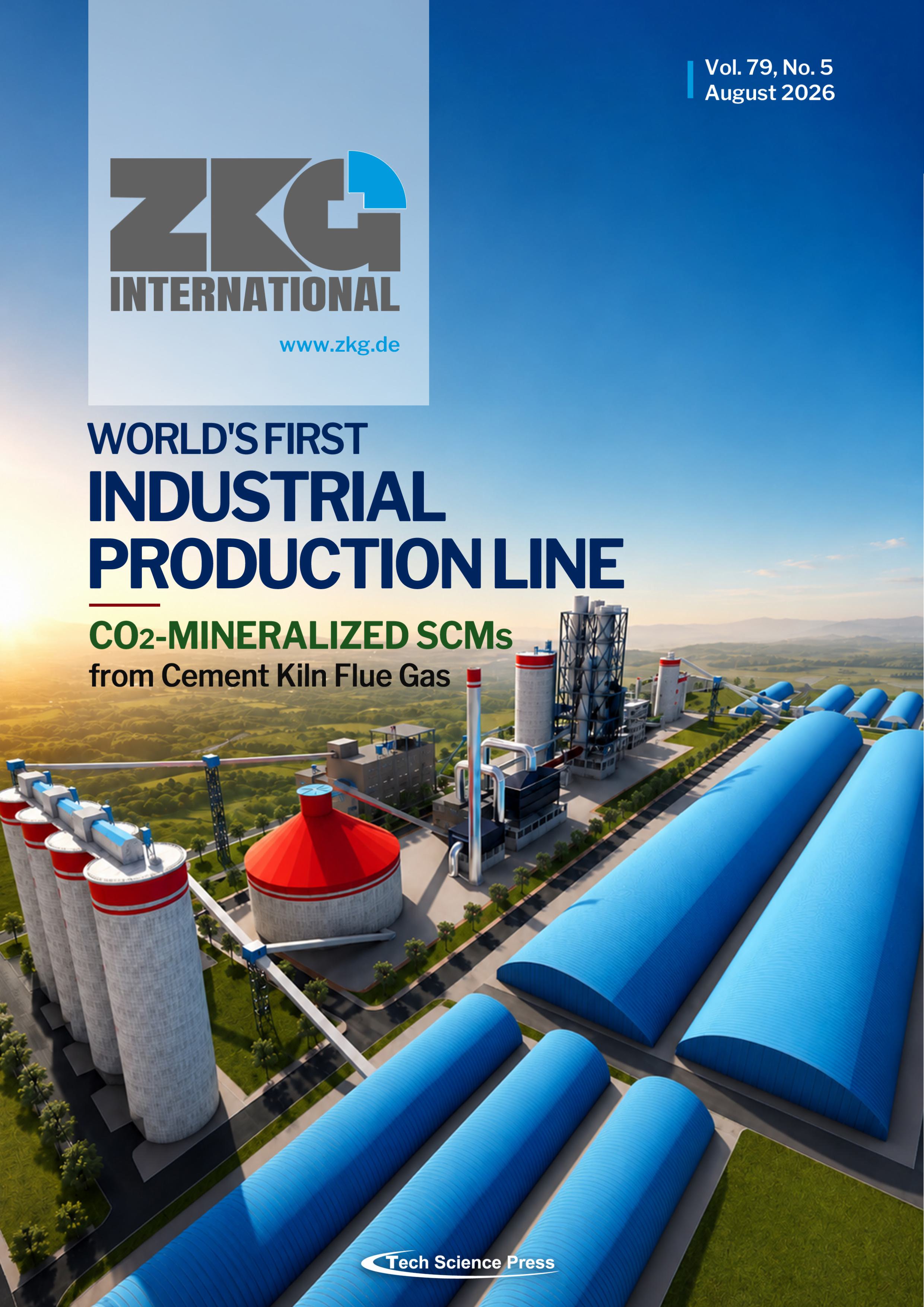
Welcome to the 5th issue of 2026, which brings together a wealth of cutting-edge research, industry dynamics, and innovative practices from around the world, focusing on the core theme of low-carbon transformation and sustainable development of the cement and building materials sector.

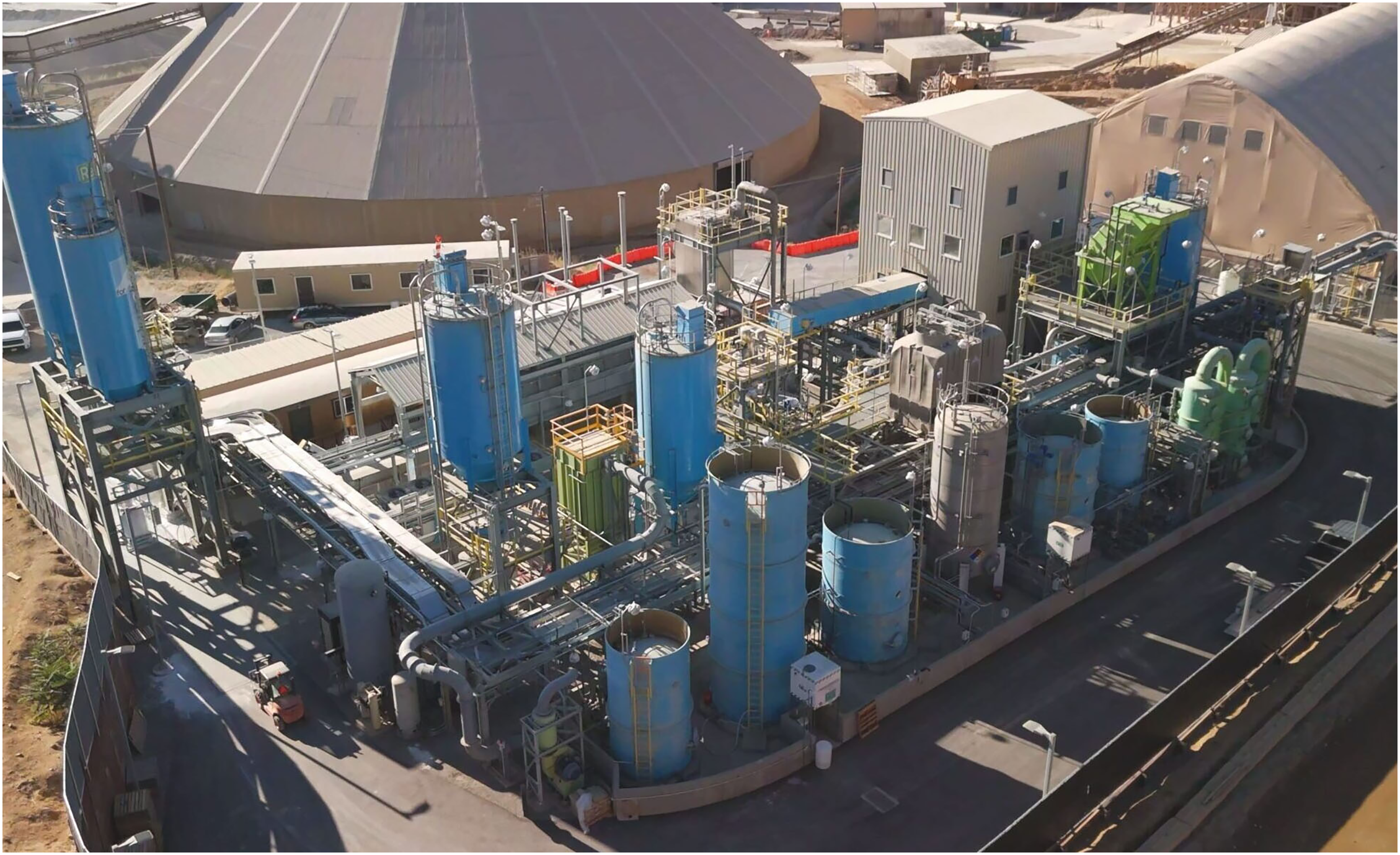
The Spotlight section presents the latest developments from global industry leaders for the low-carbon aim: from the innovative carbon capture and utilization (CCU) technology developed by the Rohrdorfer team, the low-carbon cement production exploration via electrified clay calcination, to the cooperation between Ecocem and TATA Steel on steel slag valorisation, which is also an indirect carbon-reducing routine by reducing clinker use at the end of concrete manufacturing. The layout adjustments and project progress of Heidelberg Materials, Holcim and other giants across Europe and Asia are all pursuing the aim.

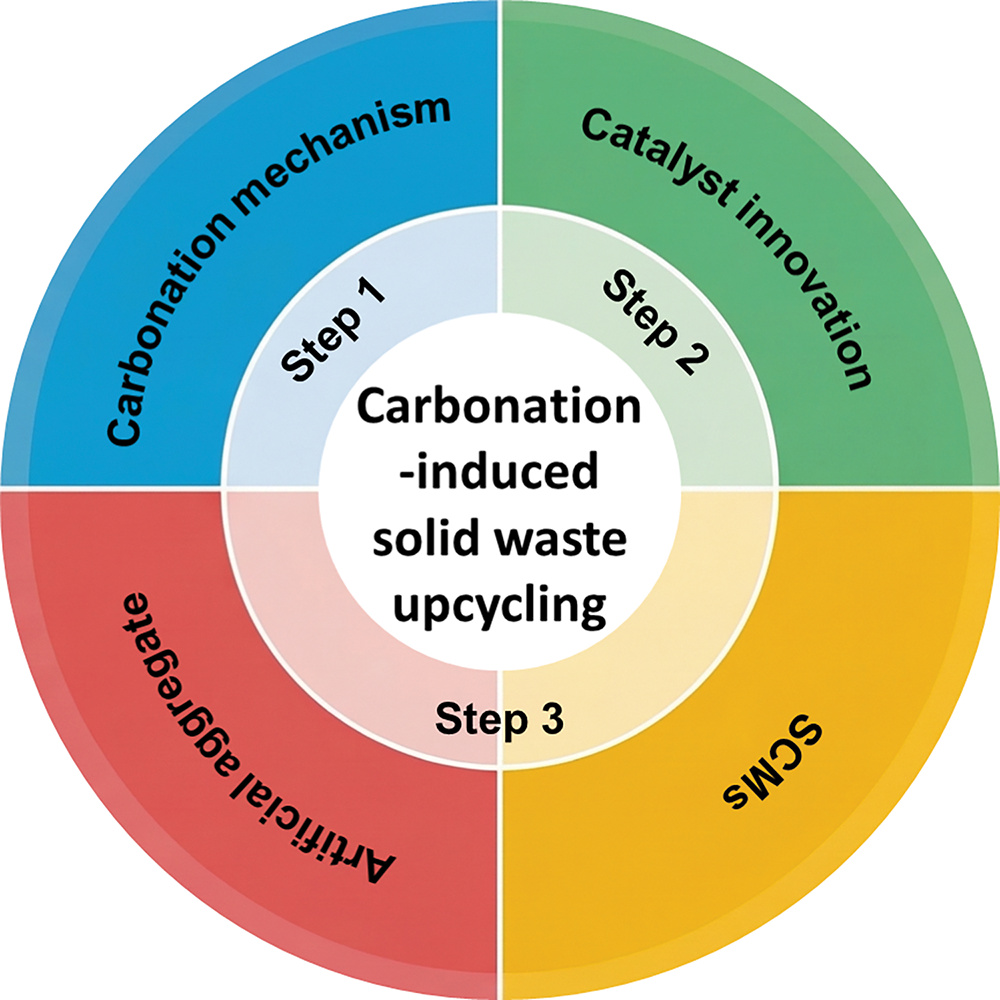
The Process section features the industrial demonstration results of low-carbon supplementary cementitious materials prepared via CO2-mineralization of steel slag, a landmark achievement in the synergistic reduction of industrial solid waste and carbon emissions. The Market Trends section further analyzes the global market prospect of steel slag valorisation. The Sustainability section reports the innovative integration of aerogel and gypsum-based materials for building energy efficiency. For those original academic research papers, it covers the frontier research of phosphogypsum foam concrete, gypsum board modification, cement clinker calcination in CO2/O2 atmosphere, and other directions, reflecting the latest academic achievements in the field.

This issue continues to uphold the current positioning of ZKG International, integrating global industry dynamics, academic research and engineering practice, and providing a professional communication platform for peers in the global building materials industry. I hope that all the news, perspectives, and insights presented in this issue will be helpful and interesting to you.

images

images

Zuhua Zhang

Editor-in-chief

images Copyright © 2026 The Author. Published by Tech Science Press.
This work is licensed under a Creative Commons Attribution 4.0 International License, which permits unrestricted use, distribution, and reproduction in any medium, provided the original work is properly cited.

Related articles:

Issue 05/2026 Nanjing Tech University

Industrial demonstration of low-carbon supplementary cementitious materials prepared via CO2-mineralization of steel slag

1  Background Addressing global climate change and achieving China’s “Dual Carbon” goals represent pivotal historical imperatives for the current building materials industry. As major carbon emitters, the green and low-carbon transition of the cement and concrete...

2-mineralization of steel slag">more
Issue 05/2026 FIVES FCB

Fives and NOC Energy collaborate on electrified clay calcination for low-carbon cement production

Fives and NOC Energy have announced a technology partnership aimed at advancing the electrification and decarbonization of high-temperature thermal processes in the cement industry. The cooperation focuses on integrating NOC Energy’s high-temperature thermal battery technology, ...

more
Issue 05/2026 ECOCEM GLOBAL

Ecocem and TATA Steel will collaborate to valorise steel slag

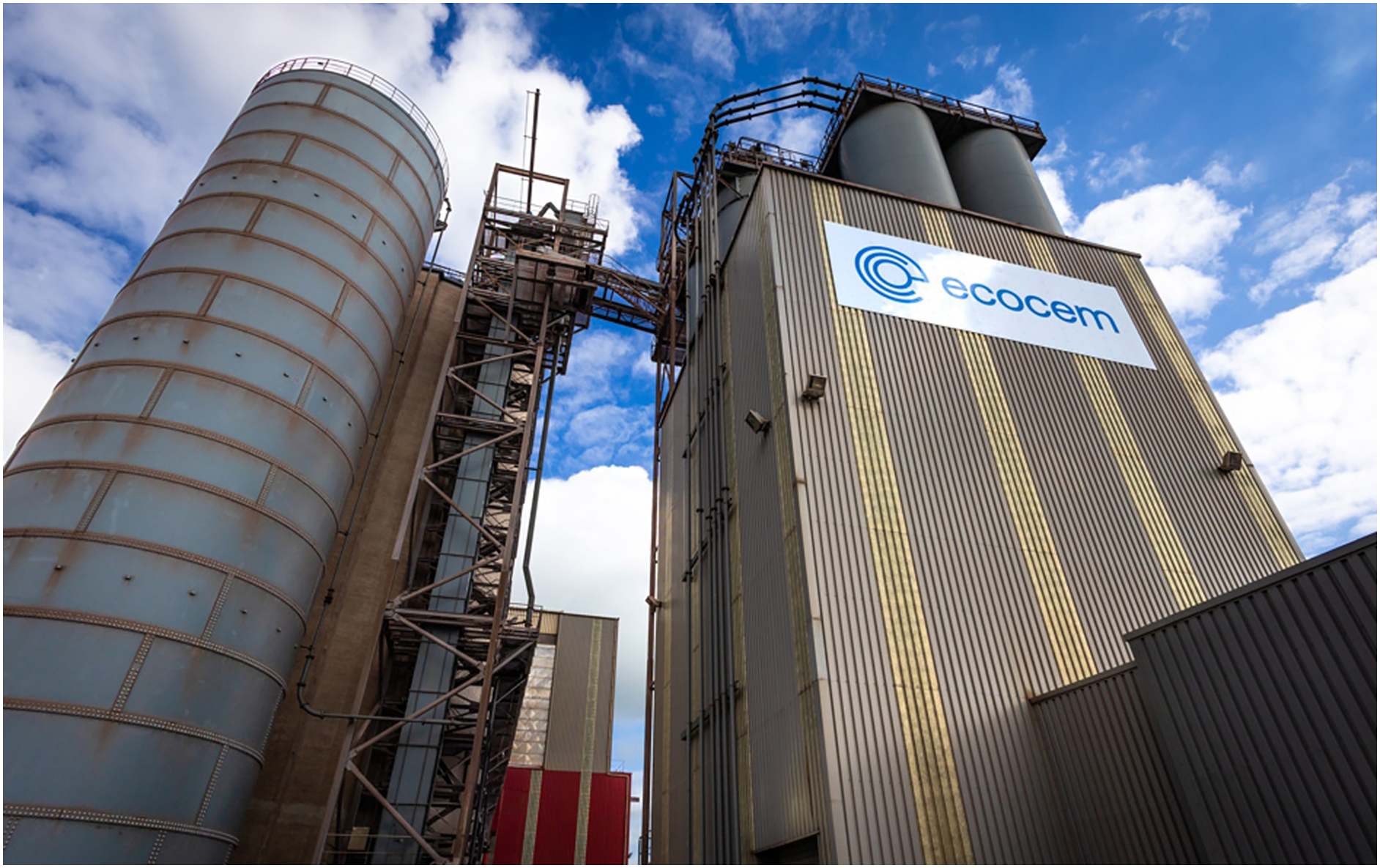
Photo: Ecocem production facility (Source: Ecocem Global) Ecocem, a pioneer in low-carbon cements with 25 years of experience, and Tata Steel IJmuiden in the Netherlands have signed a Memorandum of Understanding (MoU) to advance the use of Basic Oxygen Furnace (BOF) and Electric Arc Furnace (EAF) ...

more
Issue 04/2026 Centre for Science and Technology Innovations (CSTI)

African cement & concrete decarbonization: challenges and opportunities for local innovation in the global setting

1  About CSTI As a UNESCO Associated, CTCN Technical Assistance Provider, and independent scientific research trust, CSTI uses an EcoChemistry lens to identify solutions across multiple sectors. We identify large public-interest markets, such as low-carbon construction, pollution control,...

more
Issue 04/2026 HEIDELBERG MATERIALS BENELUX

Heidelberg Materials Benelux started production of calcined clay

Ghent cement plant (Credit: Heidelberg Materials Benelux) Heidelberg Materials Benelux started the batch production of calcined clay at its Ghent cement plant in Belgium. The calcined clay is for the production of Q-CEM, which shall pace the way for the production of low-carbon cements. Q-CEM ...

more
Issue 03/2026 China Building Materials Academy, Co., Ltd

From laboratory innovation to field application: technical validation and performance assessment of alkali-activated concrete in road project

This article presents the technical validation and field performance assessment of alkali-activated concrete in road construction, highlighting key breakthroughs in mix design, durability enhancement, and scalable manufacturing that enable low-carbon, high-performance infrastructure applications...

more
Issue 01/2026 ARTICLE

Multi-method study on the effect of biochar on the properties of alkali-activated slag

Alkali-activated slag (AAS) is regarded as a promising low-carbon alternative to Portland cement; however, the increasing scarcity of slag and the need for further sustainability improvements motivate the exploration of renewable and carbon-based additives. Biochar, as a porous and carbon-rich...

more
Issue 01/2026 China Building Materials Academy

The 11th International Symposium on Cement and Concrete (ISCC2025): charting the course for a low-carbon and digital future

  Global policy and academic consensus: advancing the synergy of low-carbon development and digital transformation The conference emphasized that the cement sector is a key focus of global low-carbon governance. Domestically, China’s stringent ultra-low emission targets for 2025 a...

more
×