Heidelberg Materials Benelux started production of calcined clay
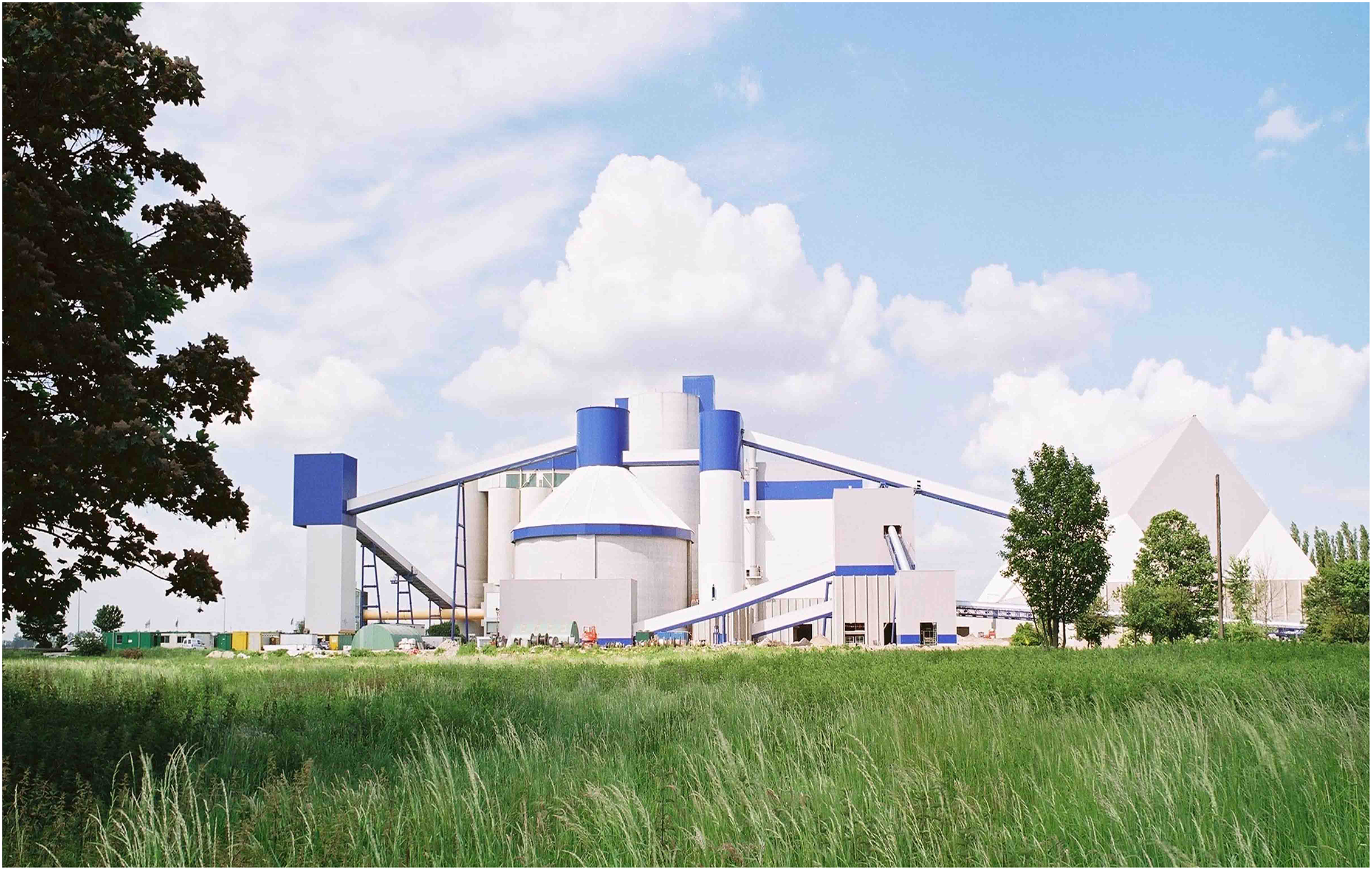
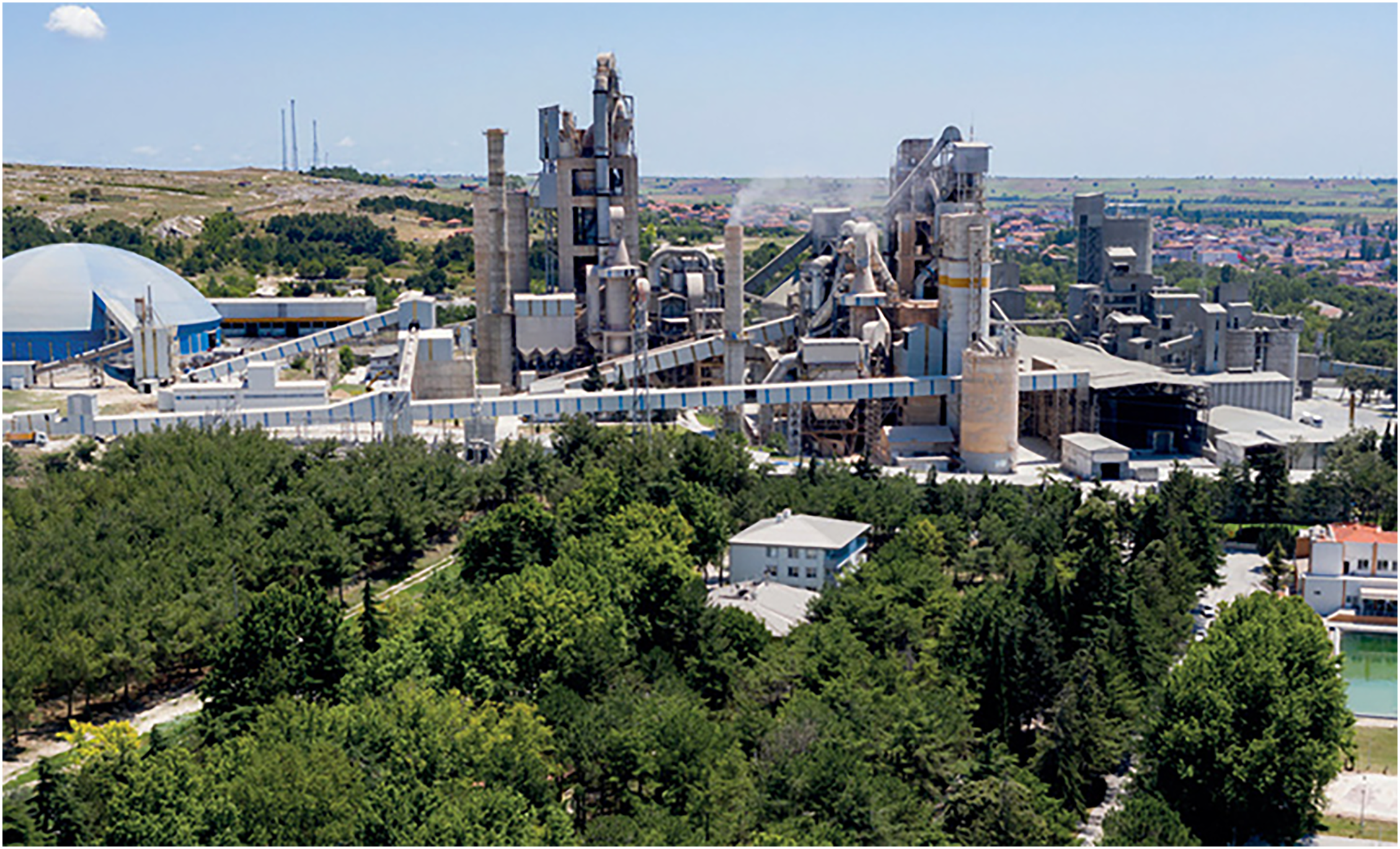
Ghent cement plant (Credit: Heidelberg Materials Benelux)
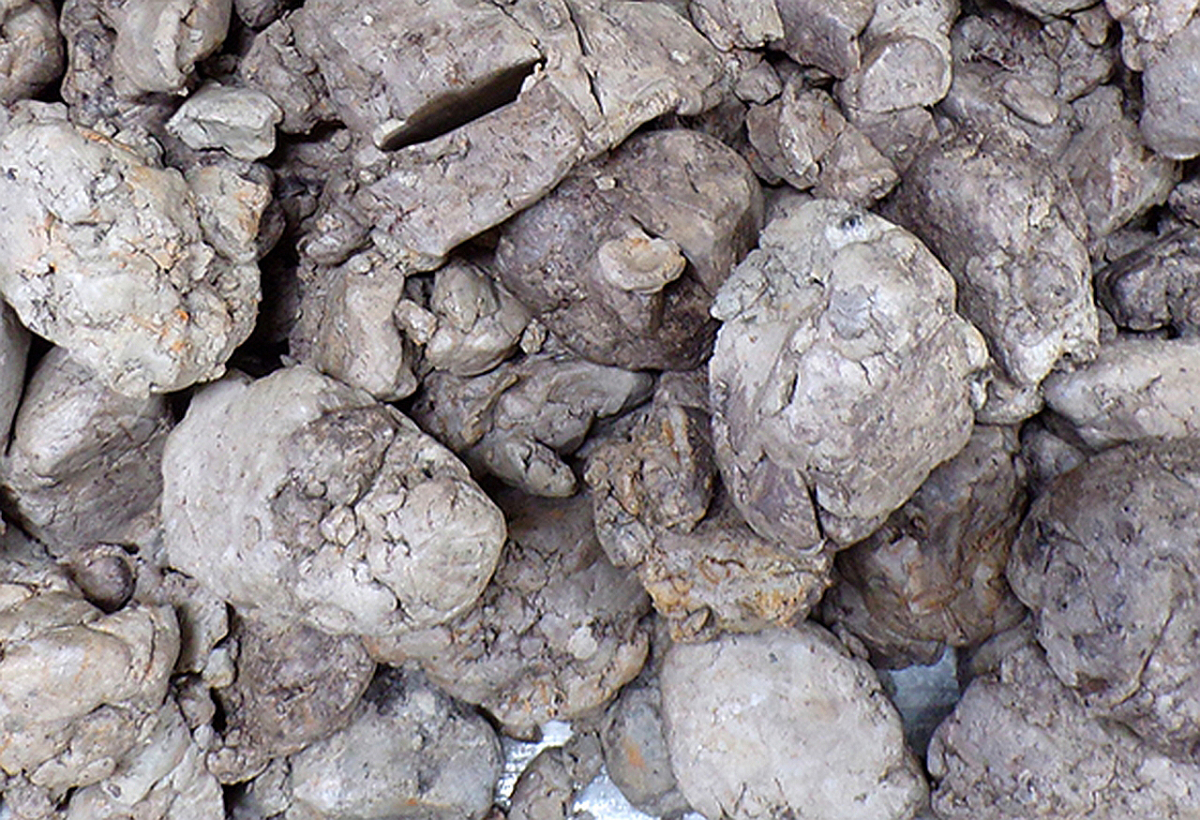
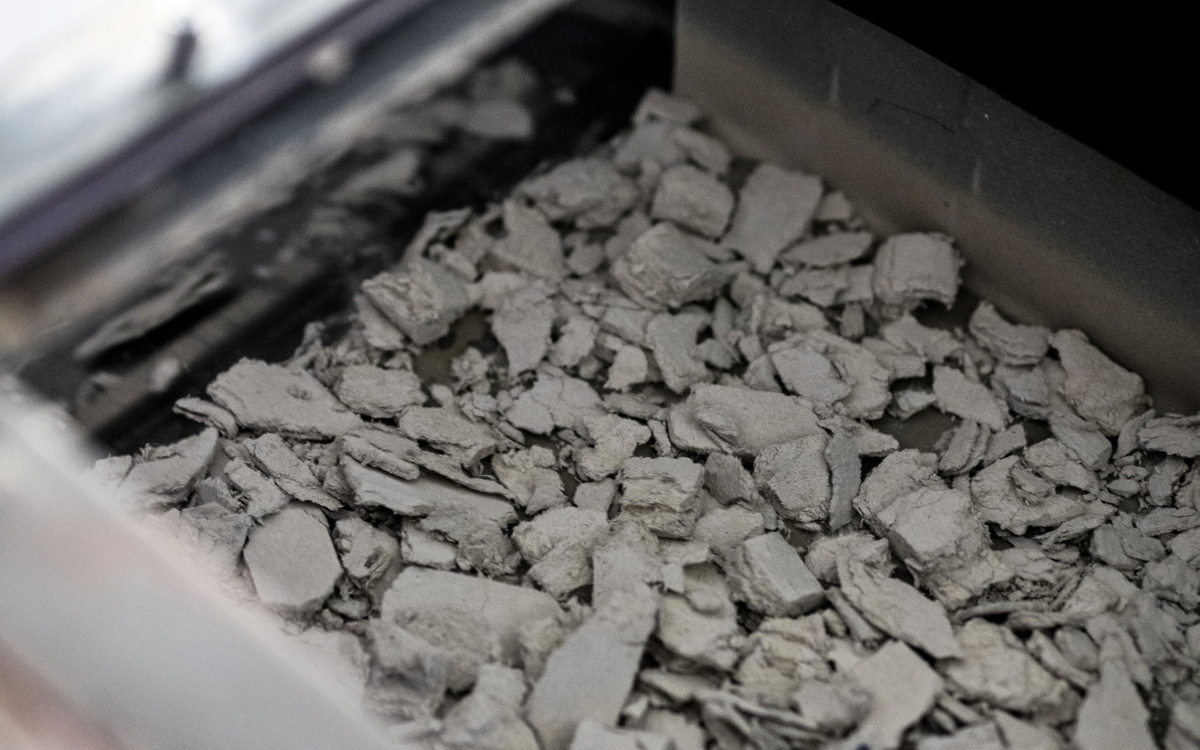
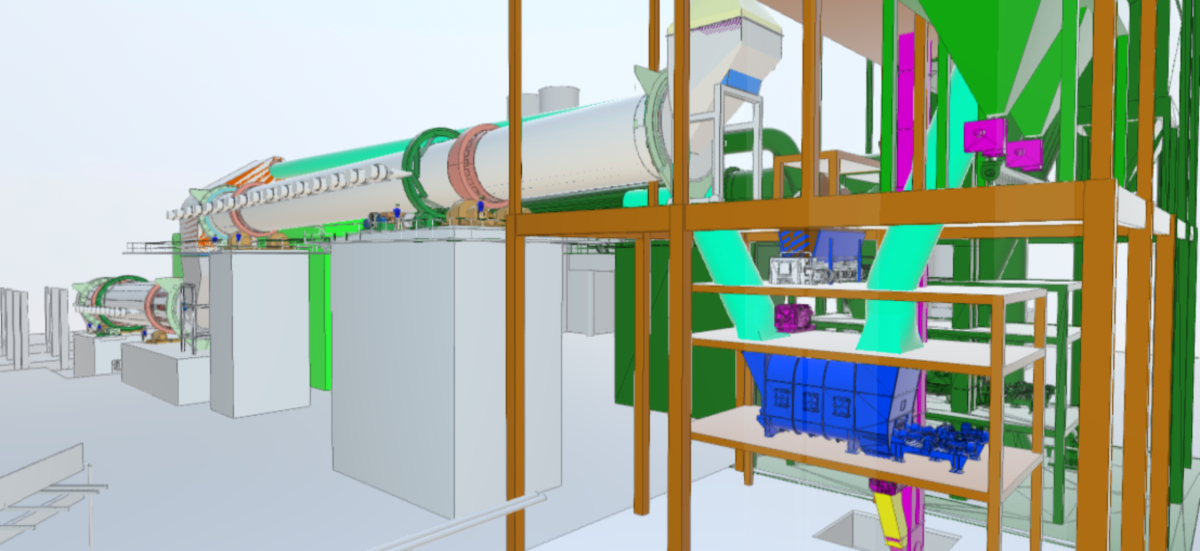
Heidelberg Materials Benelux started the batch production of calcined clay at its Ghent cement plant in Belgium. The calcined clay is for the production of Q-CEM, which shall pace the way for the production of low-carbon cements. Q-CEM delivers performance equivalent to Portland CEM I cement while reducing CO2 emissions to about 25% compared to traditional clinker-based cement. When the technology is fully developed, up to 1 Mta of this product can be supplied to the Benelux construction market. Heidelberg Materials Benelux has already made significant progress in reducing CO2 emissions from cement production through traditional measures and is recognized as a leader in this field.
For Heidelberg Materials Benelux, this is an important step in the commitment to reduce the carbon footprint of building materials while meeting the expectations of modern infrastructure performance. The company is building on years of cutting-edge research and development. The latest calcined clay-based Q-CEM range will offer robust and reliable decarbonised products with performance that meet the highest standards in the industry. The first industrial applications and collaborations with regional partners demonstrate that the new calcined clay-based cement solutions offer consistent quality, high durability, and controlled rheology in concrete applications.
https://www.heidelbergmaterials-benelux.com/nl/productie-q-cem
Mr. Luc Van Camp, Director Sales Cement Benelux at Heidelberg Materials
“To ensure the reliability of our new products and accelerate their adoption on the market, our teams have carried out extensive work to obtain the required certifications and technical approvals. Their commitment also contributes to advancing cement standards toward even more ambitious and sustainable benchmarks—an essential step in transforming our industry.”
 |
Copyright © 2026 The Author. Published by Tech Science Press. This work is licensed under a Creative Commons Attribution 4.0 International License, which permits unrestricted use, distribution, and reproduction in any medium, provided the original work is properly cited. |