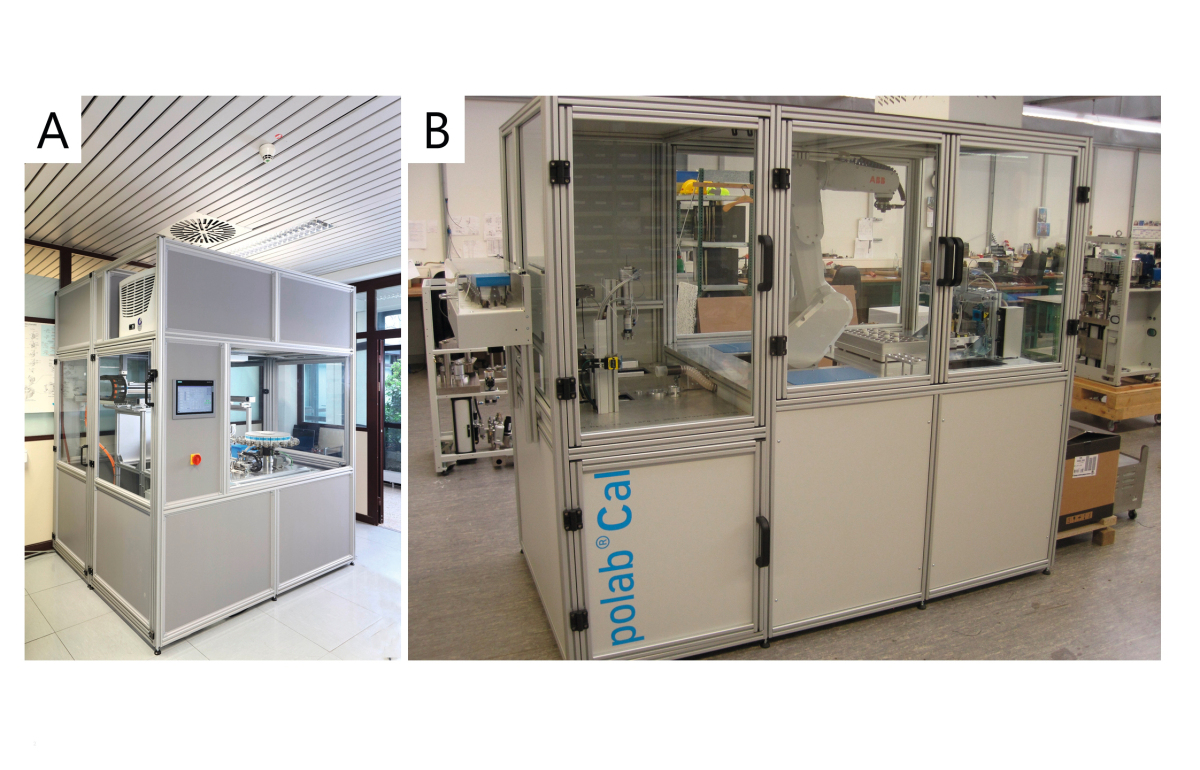
polab Cal – a fully automatic isothermal calorimeter

The reactivity of clinker and cement can now be determined by means of a fully automatic, isothermal calorimeter that can be integrated into laboratory automation systems. Previously, it used to take at least 24 h to analyse the reactivity of clinker and cement. Now, the results are available in less than 60 min. Together with the experts from Calmetrix®, thyssenkrupp Industrial Solutions has achieved a breakthrough in digital process control and building-material development. And now, at its plant in Lengerich/Germany, Dyckerhoff GmbH is the first cement manufacturer in the world to decide to use polab® Cal.
Frank Ruoss, Member of the Board of thyssenkrupp Industrial Solutions AG, Business Unit Cement Technologies: “polab Cal offers users in the cement industry data for product and process control at a hitherto unachieved level of precision, speed and repeatability. In addition to the cement industry, polab Cal can be used for quality control in the food industry, the pharmaceutical industry and the binding agent industry, as well as in other sectors of the basic materials industry.”
In a pilot test at the Karlstadt cement plant of Schwenk GmbH & Co KG, the polab Cal calorimeter successfully achieved all predicted values. The data and analyses jointly collected with Schwenk during the test are a key component for future control loops based on artificial intelligence (AI).
Reactivity determines cement performance
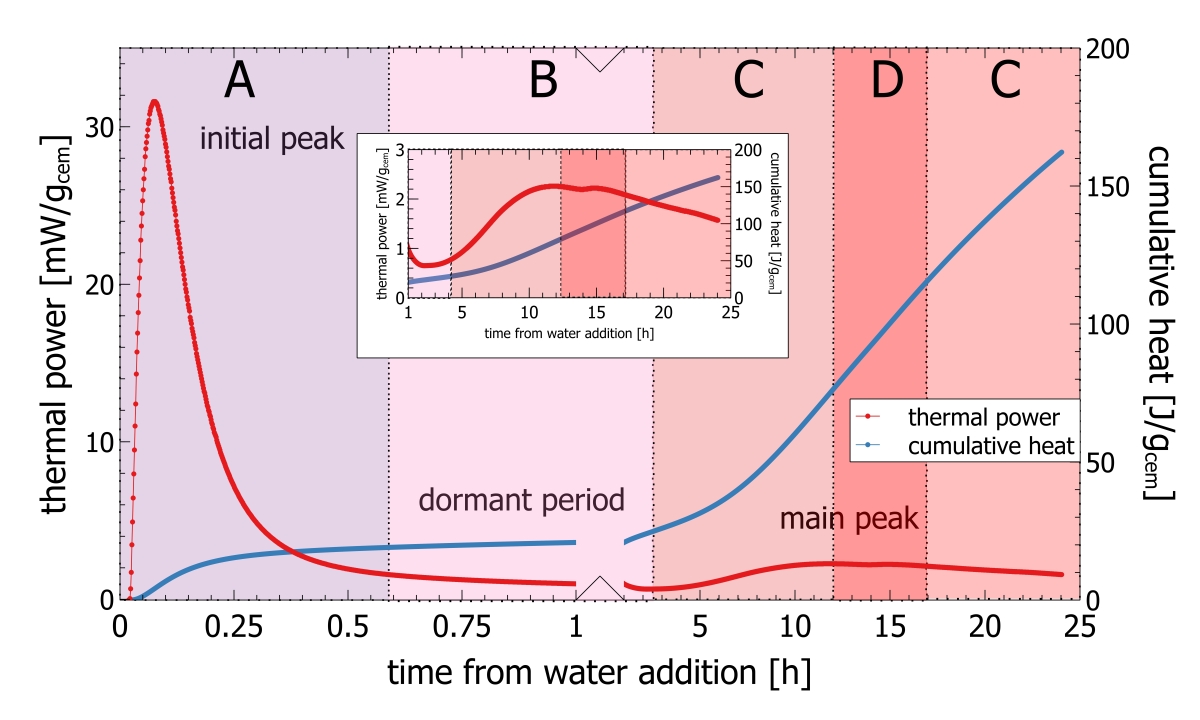
The determination of reactivity – i.e. the ability of a substance to undergo a chemical reaction – can be measured by means of the heat release per unit of time and is of great significance for the quality and usability of numerous substances. One of these is cement! Heat development is a direct measure of reactivity and thus of the performance of a cement. Reactivity is important for the speed of strength development and for durability. For example, excessive heat development in massive concrete components may lead to large temperature differences between the core and the concrete surface. Stresses, or even cracks, may arise as a result. For the cement industry, it is therefore important to be able to measure the reactivity of the cement as quickly as possible, and continuously.
Use in polab laboratory automation system or as a standalone device
polab Cal is the first automated calorimetry system that can be fully integrated into polab laboratory automation systems or used as a standalone unit in the fields of research & development or product development. The system prepares cement samples fully automatically and analyses them on the basis of parameters specified by the plant owner. This includes weighing the sample, setting the water/cement ratio, blending the samples, loading the samples into the calorimeter, and automatic data evalu-ation. polab Cal is of modular design and can operate one or more calorimeters.
polab Cal is a milestone in the automated quality analysis of cement. Integration of a calorimeter closes the gap between process and product quality control. The particular strength of polab Cal is its speed: Instead of a day, the owner of a cement plant now only has to wait less than an hour for the analysis results. This is a huge time advantage and, therefore, an enormous cost advantage. With the reactivity analyses of polab Cal, cement manufacturers are more easily able to improve the consistency of their clinker and cement, and to adjust it to the respective market requirements.