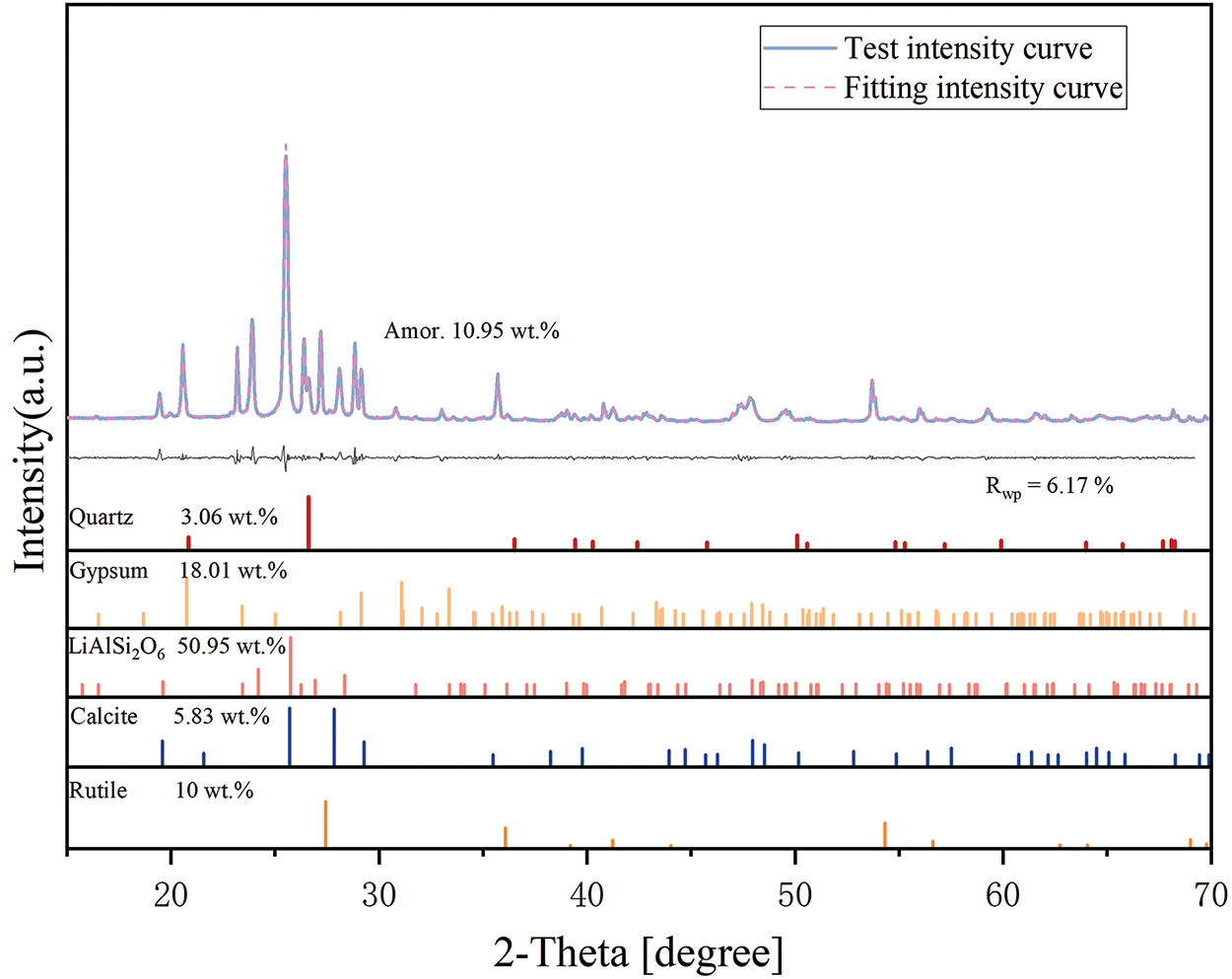
Effects of hydrated lime content on the hydration, microstructure and performance of low-clinker cement
Nowadays, waste-based low-clinker cement, i.e., Grade M32.5 used in China, attracts significant attention as an environmentally friendly and low-carbon cementitious material [1, 2], which uses a high volume of industrial by-products, including granulated blast-furnace slag, steel slag, and gypsum as constituents. Low-clinker cement, similar to ordinary Portland cement, is extensively used in road, construction and various concrete projects [3–6]. Compared to normal cement, with a high volume of clinker (typically 80% [7]), the use of M32.5 cement can reduce the content of clinker to as low as 20%, thereby being greener and low-carbon. More importantly, the feature of M32.5 cement’s low content of clinker makes it a suitable binder for recycling sulfur-containing wastes, e.g., sulphidic copper tailings (SCT).
Studies show that SCT can contain up to 18% sulfur (SO3) [8], which makes it unsuitable for application as a supplementary cementitious material. As the sulfur converts to sulfates and acids, expansive phases such as gypsum and ettringite are formed. Meanwhile, the acidic environment disrupts the cement’s alkaline system and causes dissolution of hydration products and matrix cracking. Therefore, maintaining an alkaline environment is essential for improving the durability of cement-based high-sulfur tailings fills. Some studies have investigated using sulfur-containing tailings in alkaline-activated materials, where alkaline additives neutralize acids. This approach enhances the compressive strength of mortar [9, 10], densifies the microstructure [11], and improves stability [12]. However, issues including high cost, rapid curing, poor workability, and susceptibility to cracking have limited its adoption as a viable engineering material [10, 13].
In this context, low-clinker cement has attracted attention as a binder [14]. Chen et al. [15] confirmed that low-clinker cement exhibits better compatibility with sulfidic copper tailings (SCT) than ordinary Portland cement, but significant expansion and structural deterioration occur at SCT dosages exceeding 20%. Previous studies investigated the interaction between copper mine wastewater and low-clinker cement, revealing that acidic and organic components retard cement hydration and setting, whereas metal ions such as Ca2+ and Na+ can promote the formation of ettringite and hydrotalcite. Despite these advantages, the inherently low alkalinity of low-clinker cement remains a critical limitation, restricting its ability to maintain a stable alkaline matrix in high-sulfur environments and severely compromising long-term durability.
To address this issue, various additives such as granular marble waste [16, 17], glass powder and fly ash [18] have been proposed to improve acid buffering capacity. However, their complex and variable compositions often introduce unpredictable side effects on cement hydration and performance. In contrast, hydrated lime (Ca(OH)2), a cost-effective and efficient pH regulator with a simple composition and compatibility with cement hydration products, is widely used to enhance cement-based materials [19]. Previous studies reported that hydrated lime can improve early compressive strength, refine pore structure and enhance early strength in Portland cement systems [20, 21]. Nevertheless, current research on hydrated lime modification focuses predominantly on ordinary Portland cement systems, with limited attention on the low-clinker cement systems. Given the distinct cementitious reactivity of low-clinker systems and their specific application requirements in sulfur-containing tailings, systematic investigations are imperative to elucidate the underlying mechanisms through multiscale characterization. Moreover, economic competitiveness and environmental sustainability are equally critical factors that determine the practical value of any cementitious material.
Against this background, this study aims to systematically elucidate the mechanism of the effect of hydrated lime dosages on the hydration, microstructure, mechanical properties, durability, and eco-efficiency of M32.5 low-clinker cement mortar. M32.5 cement is a composite cement made of OPC, a large amount of fly ash, slag, and other supplementary cementitious materials, making it highly suitable for sustainable utilization in sulfur-containing tailings systems. According to Ismael and Ghanim [22], the effective dosage range of hydrated lime in cement-based materials is generally between 1 and 7 wt%, whereas excessive additions (>10 wt%) tend to produce excessive unreacted Ca(OH)2, resulting in strength reduction and structural degradation. Therefore, hydrated lime contents ranging from 1 to 7 wt% were selected in this study. Multiple analytical approaches are employed to establish the relationships among hydration kinetics, microstructural evolution, mechanical and durability properties, and environmental-economic performance of M32.5 low-clinker cement mortars incorporating hydrated lime. The findings of this study are expected to provide theoretical insights and practical guidance for the application of low-clinker cementitious materials in sulfur-containing tailings treatment, thereby advancing green mine construction and sustainable development of the cement industry.
M32.5 cement was supplied by Anhui Conch Cement Co., Ltd., with an apparent density of 2850 kg/m3. Industrial-grade hydrated lime with a purity of 95% and an apparent density of 2300 kg/m3 was purchased from Shandong Sanju Chemical Technology Co., Ltd. An XRF-PANalytical Axios was used to determine the elemental oxide chemical composition of M32.5 cement and hydrated lime, as shown in Table 1. The particle size distributions of M32.5 cement and hydrated lime, shown in Figure 1, are highly similar, which could help reduce potential incompatibility between the hydrated lime and the cement paste. City tap water was used.

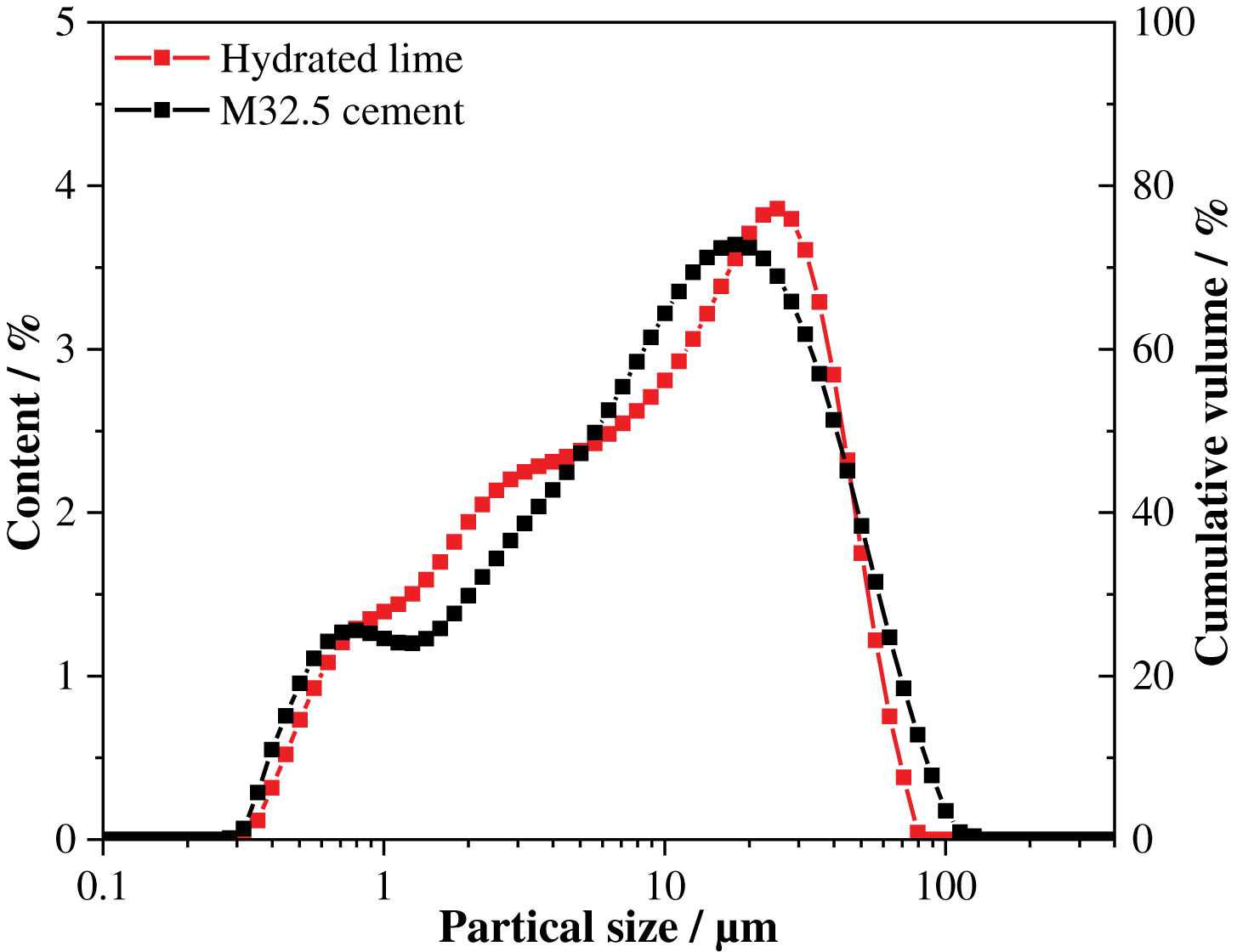
Figure 1 The particle sizes of hydrated lime and M32.5 cement
2.2 Mixing proportion of mortars
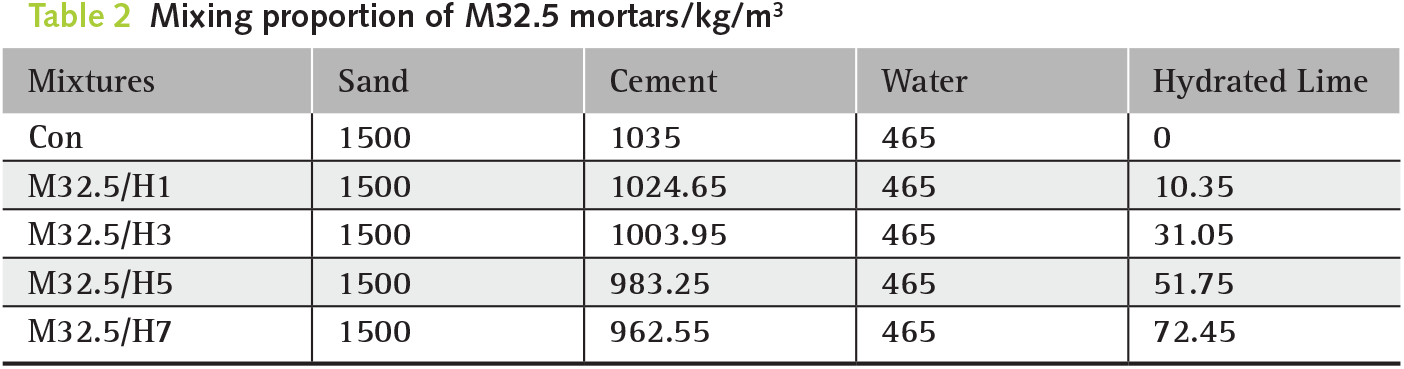
The mortar was prepared by mixing cement, slaked lime, and sand for 2 min before the addition of water, after which mixing continued for a further 3 min. After that, the fresh mortar was cast into 50 mm × 50 mm × 50 mm cube molds and covered with a layer of cling film for 24 h to prevent water evaporation, then demolded and cured in a standard chamber (25 ± 2°C, ≥95% RH) until the test age. Table 2 shows the mixed proportions of M32.5 cement mortar (w/b = 0.45). The mortar without hydrated lime addition was named Con, while M32.5/H1, M32.5/H3, M32.5/H5, and M32.5/H7 represent the replacement of 1 wt%, 3 wt%, 5 wt%, and 7 wt% of cement (based on cement weight) with hydrated lime, respectively. The pastes are also prepared following the above procedures without sand incorporation and cured under the same conditions, respectively.
The Vicat needle equipment was used to test the pastes’ setting times in accordance with ASTM C191 [23], and maintained in a standard curing environment (25 ± 2°C of temperature, 95% humidity), with measurements recorded at 15-min intervals.
Mortar fluidity was assessed per ASTM C1437 [24] with an STNLD-3 fluidity tester. Fresh mortars are placed in the truncated conical mold and vibrated 25 times. The reported value is the average of triplicate sample measurements.
The determination of hydration heat was based on paste samples prepared according to the procedure in Section 2.2 and completed using an I-Cal 8000 isothermal calorimeter manufactured by Calmetrix, USA. Prior to testing, the materials and calorimeter were placed in a constant temperature environment at 25°C for 24 h. It should be noted that the sample needs to be quickly placed in an ampoule for testing after preparation. In the period of 72 h, the paste’s heat release was continuously measured and recorded.
2.3.4 Hydration products analysis
To determine the crystal phase composition, samples were analyzed using X-ray diffraction (XRD). Prior to testing, samples were immersed in anhydrous ethanol for 7 days to terminate hydration, followed by vacuum drying for 24 h. Diffraction measurements were carried out on a Shimadzu Smartlab diffractometer equipped with a Cu Kα radiation source (45 kV, 40 mA), over a 2θ range of 5–50° at a scan rate of 3°/min and a step size of 0.01°. Quantitative phase analysis was conducted using High Score Plus 3.5 [25, 26] by means of Rietveld refinement, employing 20 wt% corundum as an internal standard to determine the absolute phase contents.
To identify and quantify the hydration products, the samples were characterized using thermogravimetric-differential thermal analysis (TG-DTG). Testing was performed using a TA Q5000IR thermal analyzer following the same sample preparation procedure as for XRD analysis. Specifically, approximately 16 mg of sample was weighed and heated from 30°C to 800°C at a heating rate of 20°C/min under a nitrogen atmosphere (flow rate: 50.0 mL/min), with data recorded.
The pore structure of mortar was characterized using the mercury intrusion porosimetry (MIP) method with a MicroActive AutoPore V 9600 instrument, following the ASTM D4404-84 standard [27]. Prior to measurement, samples were cut to dimensions of 8 mm × 8 mm × 12 mm and immediately immersed in anhydrous ethanol for a minimum of 7 days to terminate ongoing hydration. The pressure was pumped down to less than 50 μm Hg column before the test, and the equilibrium time was 10 s for low pressure and 20 s for high pressure. The measurements were conducted with the mercury maintained at 12 ± 2°C, under pressures spanning from 0.0034 to 413.75 MPa.
The compressive strength determination in this study followed ASTM C109 standard [28]. Loading was performed using an ADYE-300A materials testing machine, with a constant loading rate of 0.5 kN/s. Prior to testing, all mortar samples were molded according to the method described in Section 2.2 and cured under standard temperature and humidity conditions (25 ± 2°C, relative humidity 95%) until reaching the specified test age. The final reported strength data were calculated as the average of test results from three independent samples per group.
The mortar microstructure was characterized using a FlexSEM1000 scanning electron microscope (SEM) with a 10 kV accelerating voltage. Samples cured for 90 days were sectioned into thin slices and immersed in anhydrous ethanol for a minimum of seven days to arrest further hydration. Before being observed, samples that were treated were vacuum-dried and coated with a thin layer in gold for 120 s.
2.3.8 Nanoindentation analysis
Nanoindentation testing was employed to evaluate the micro-mechanical properties of the samples, with sample preparations as shown in Table 2 (excluding sand). To stop hydration, submerge the samples in anhydrous ethanol for at least seven days after they have cured for ninety days. The dried specimens were embedded in epoxy resin within cylindrical molds (32.5 mm in diameter) using vacuum impregnation. After complete curing of the epoxy, the embedded samples were finely polished using a Buehler AutoMet 250 Pro polishing system. Initial grinding was performed with 200-grit abrasive paper until the specimen surface was exposed, followed by sequential grinding with 400-, 800-, and 1200-grit silicon carbide papers, each step lasting 5 min to ensure surface planarity. Final polishing was performed in stages with diamond suspensions of 6, 3, and 1 μm particle sizes, with each step lasting 3 min. Indentation measurements were carried out over an 11 × 11 grid with a spacing of 10 μm between adjacent indents. The elastic modulus of each indentation was calculated using the Oliver and Pharr method [29]. The deconvolution method was used to calculate and draw the comprehensive indentation curve and the elastic modulus experimental histogram by using MATLAB software.
Using a non-steady-state accelerated chloride ion migration test, mortar samples’ resistance to chloride ions is evaluated. A cylindrical specimen of 100 mm × 50 mm was used in this test according to ASTM C 1202 [30]. After curing for 28 days, the surface of the sample was cleaned and the sides of the sample were sealed with epoxy resin. In this test, the anode was 0.3 mol/L NaOH solution, the cathode was 3% NaCl solution, and the ambient temperature was controlled at 25 ± 2°C. Each set of samples underwent three tests, and the average test results were reported.
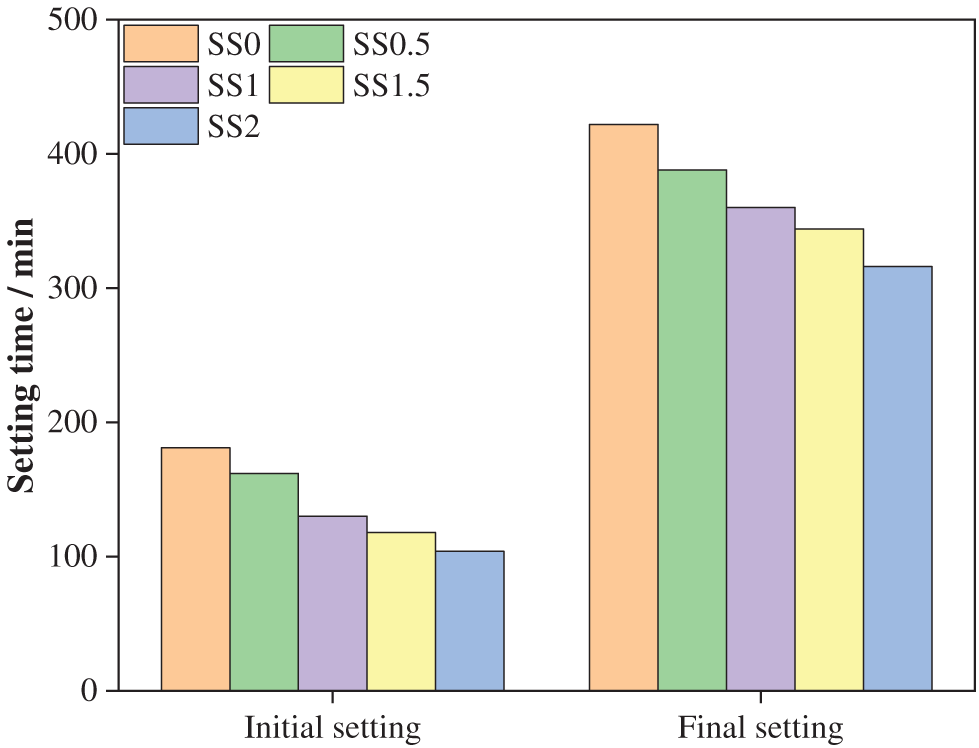
Figure 2 shows the setting time of the samples. As shown in the figure, adding 1 to 7 wt% hydrated lime extends the initial setting time by 13.8–67.3% and the final setting time by 5.0–19.6%, respectively. This might be attributed by the diluting effect brought on by the hydrated lime’s addition, which reduced the mass fraction of M32.5 cement [20, 31]. In addition, calcium hydroxide (CH) has a much lower nucleation energy barrier than calcium silicate hydrate (C-S-H), so excess ions preferentially form CH nuclei, which compete with C-S-H for available ions and delay the nucleation and growth of the primary binding phase [32, 33]. Furthermore, hydrated lime in the paste’s pore solution may prevent cement from hydrating, which would have a retarding impact [20].
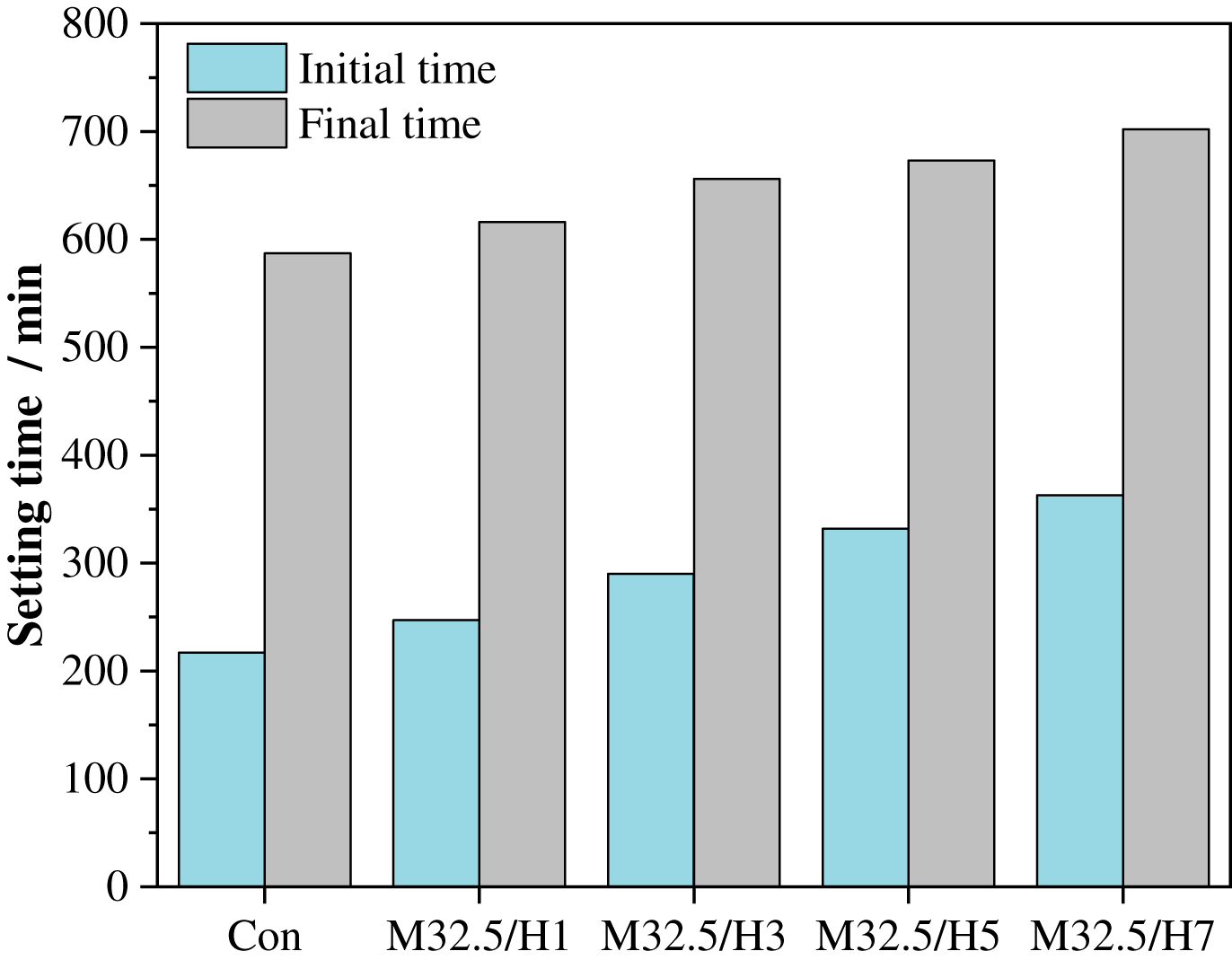
Figure 2 Setting time of paste samples
The effect of hydrated lime incorporation on mortar fluidity is illustrated in Figure 3. It can be seen that the fluidity of mortars declines with the dosage of hydrated lime, with a linear trend of y = −0.29x + 19.85, as noted in this figure. Specifically, the addition of 1 wt%–7 wt% hydrated lime reduced the fluidity of mortars by 2%–8.5%. This is different from the results of setting time as a prolonged setting process implies the production of less flocculent products to reduce fluidity [34, 35]. The possible reason may be that hydrated lime absorbs some free water during the mixing process, and the Ca2+ ion released by its dissolution quickly participates in the hydration reaction and consumes water, thereby reducing the water available for lubricating cement particles [20]. In addition, the particle morphology and hardness of the hydrated lime may also affect the fluidity properties of the mortar [36].
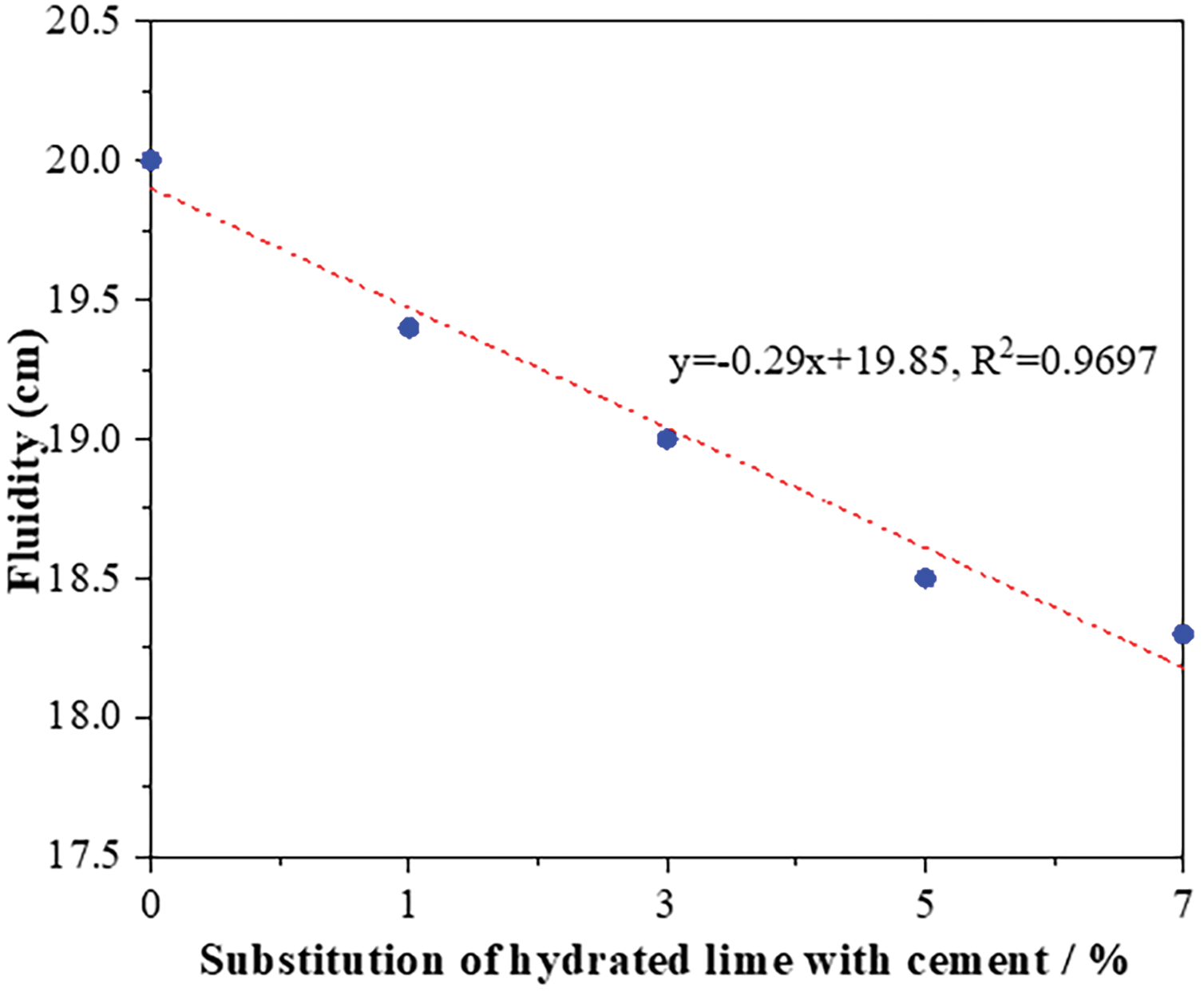
Figure 3 The fluidity of mortar samples
Figure 4 presents the heat flow curves and cumulative heat release of low-clinker cement pastes over 72 h. All samples exhibit two main hydration peaks, with an exothermic shoulder appearing before the second peak. The first peak is related to clinker dissolution and early hydration product formation, mainly ettringite [37]. Owing to the low C3S content, a subsequent exothermic shoulder reflects C3S dissolution and the formation of C–S–H and Ca(OH)2. The second peak corresponds to sulfate depletion, associated with renewed aluminate hydration after sulfate exhaustion [38]. As shown in Figure 4a, adding 1 wt% hydrated lime has little effect on the exothermic shoulder, whereas increasing the lime content from 1 wt% to 7 wt% markedly prolongs the sulfate-depletion peak. This suggests a retarding effect of hydrated lime on the hydration process. Additionally, the sulfate-depletion peak diminishes and broadens with increasing hydrated lime content, indicating a slower and lower heat release, with reductions of 0.4%–33.7% compared to the Con. This behavior may reduce the risk of cracking in concrete [39]. The broader exothermic profiles indicate that hydrated lime groups exhibited prolonged hydration reaction kinetics. This sustained hydration process facilitated the progressive hydration of cement particles and microstructural densification. The hydrated lime regulates hydration kinetics through two coupled mechanisms: first, its incorporation reduces the cement clinker content and attenuates the initial dissolution exothermic intensity through a dilution effect; second, hydrated lime releases Ca2+ and OH− to modify the pore-solution chemistry, which may retard clinker dissolution via the common-ion effect while promoting the pozzolanic reaction of supplementary cementitious materials. Although the addition of hydrated lime slows the heat release process, it has a minimal effect on the cumulative hydration heat, as shown in Figure 4b. The cumulative heat of hydration for M32.5/H1 over 72 h is comparable to that of the Con, while M32.5/H3–7 shows a decrease of only 2.9%–7.8%. This suggests that hydrated lime can regulate the hydration kinetics in M32.5 cement systems, and the controlled heat release profile reduces the risk of thermal cracking while ensuring adequate hydration.
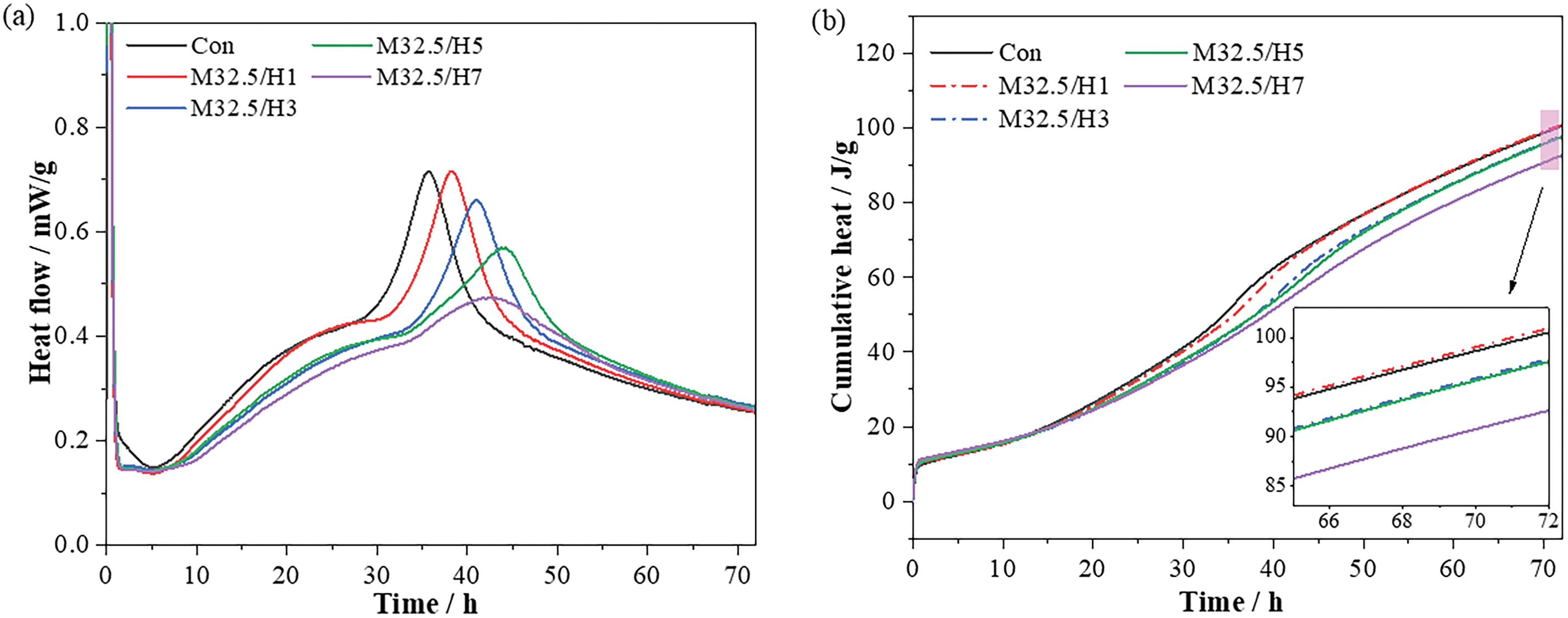
Figure 4 The hydration heat flow (a) and the cumulative hydration heat (b) of pastes
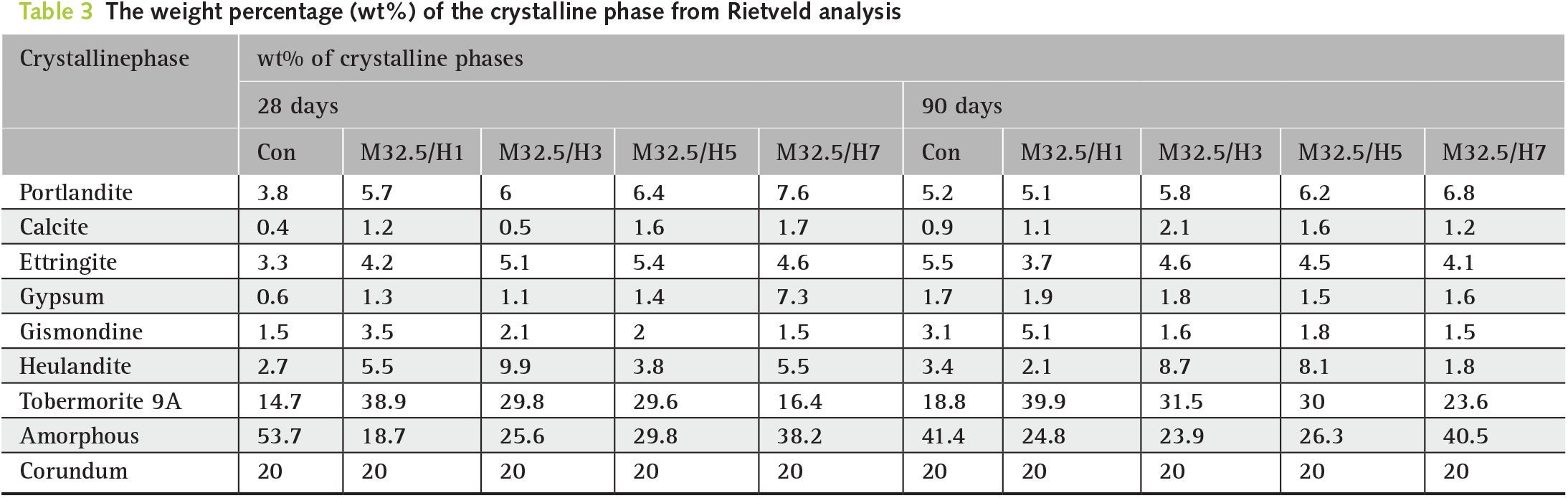
The XRD patterns of pastes at 28 and 90 days are displayed in Figure 5. As indicated in the figure, gismondine, ettringite, portlandite, calcite, heulandite, and tobermorite were identified based on their JCPDS reference files [40]. The results indicate that incorporating hydrated lime did not lead to the formation of any additional reaction products. By adding 1 wt%–7 wt% hydrated lime, M32.5/H1–7 shows a stronger diffraction intensity at 2θ = 18° and 34° of Ca(OH)2 peak, indicating that the presence of more Ca(OH)2 in these samples compared with Con. Specifically, Ca(OH)2 crystal increased by 1.5–2 times in the pastes with added hydrated lime, as shown in Table 3. This mainly results from the dissolution of hydrated lime, introducing additional Ca(OH)2 crystals into the mixtures. The additional Ca(OH)2 elevates the alkalinity of the pore solution and supplies extra Ca2+ for cement hydration, thereby promoting the secondary hydration of industrial by-products and the formation of gel phases. Additionally, the production of ettringite and gypsum in M32.5/H1–7 samples was also increased compared with Con at 28 days, which may fill voids and large pores in the pastes [15]. The XRD patterns of the samples at 90d were similar to those of 28 days, as shown in Figure 5b. The M32.5/H1–7 mixtures also display stronger Ca(OH)2 diffraction peaks because of the addition of hydrated lime.
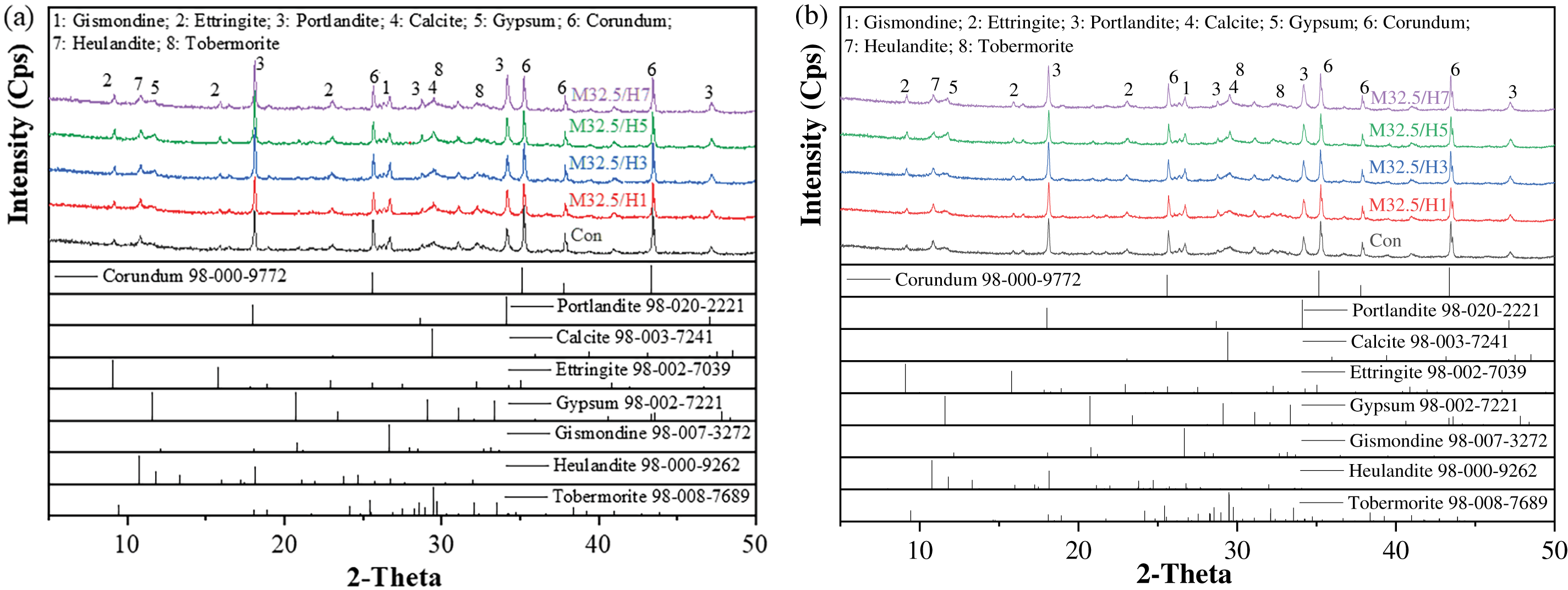
Figure 5 The XRD pattern of paste samples at 28 days (a) and 90 days (b)
The effect of hydrated lime on the hydration products of M32.5 cement was quantitatively analyzed by TGA, as shown in Figure 6. There are four distinct endothermic peaks, corresponding to the decomposition of C-(A)-S-H and ettringite (80–105°C), and monosulfate (AFm) (180–200°C), dehydroxylation of Ca(OH)2 (400–500°C) and decarbonation of CaCO3 (650–800°C), respectively. Figure 6a shows that the DTG curve of M32.5/H1 is positioned above Con during heating to 800°C, indicating a lesser total mass loss. This implies that the hydration products in M32.5/H1 are fewer than in Con at 28 days due to the diluting effect of substituting cement with hydrated lime. However, by adding 3 wt%–7 wt% hydrated lime, the mixtures showed a larger total mass loss than that of Con, which indicates that more hydration products were produced in these samples. As shown in Figure 6c, increases of 4%, 3.1%, and 7.6% in the mass losses of C-(A)-S-H and ettringite in the M32.5/H3, H5, and H7 samples, respectively, provide verification. The pozzolanic reaction of supplementary cementitious materials in M32.5 cement is mainly promoted by the gradual accumulation of Ca(OH)2 generated during early clinker hydration, which provides Ca2+ and maintains an alkaline environment for the formation of additional C-(A)-S-H gel products. The addition of hydrated lime directly introduces extra Ca(OH)2 into the system, thereby accelerating the pozzolanic reaction and promoting gel formation. Figure 6d shows the mass loss of hydration products at 90 days. It was found that all mixtures containing hydrated lime display an increased mass loss of C-(A)-S-H and ettringite compared with Con. This is related to cement hydration and further indicates that the addition of hydrated lime can increase the generation of gel products. Furthermore, the mixtures containing hydrated lime display a larger mass loss of Ca(OH)2 at all ages due to the additional Ca(OH)2 crystals introduced. Collectively, these results indicate that slaked lime addition enhances gelation by strengthening the hydration reaction pathway.
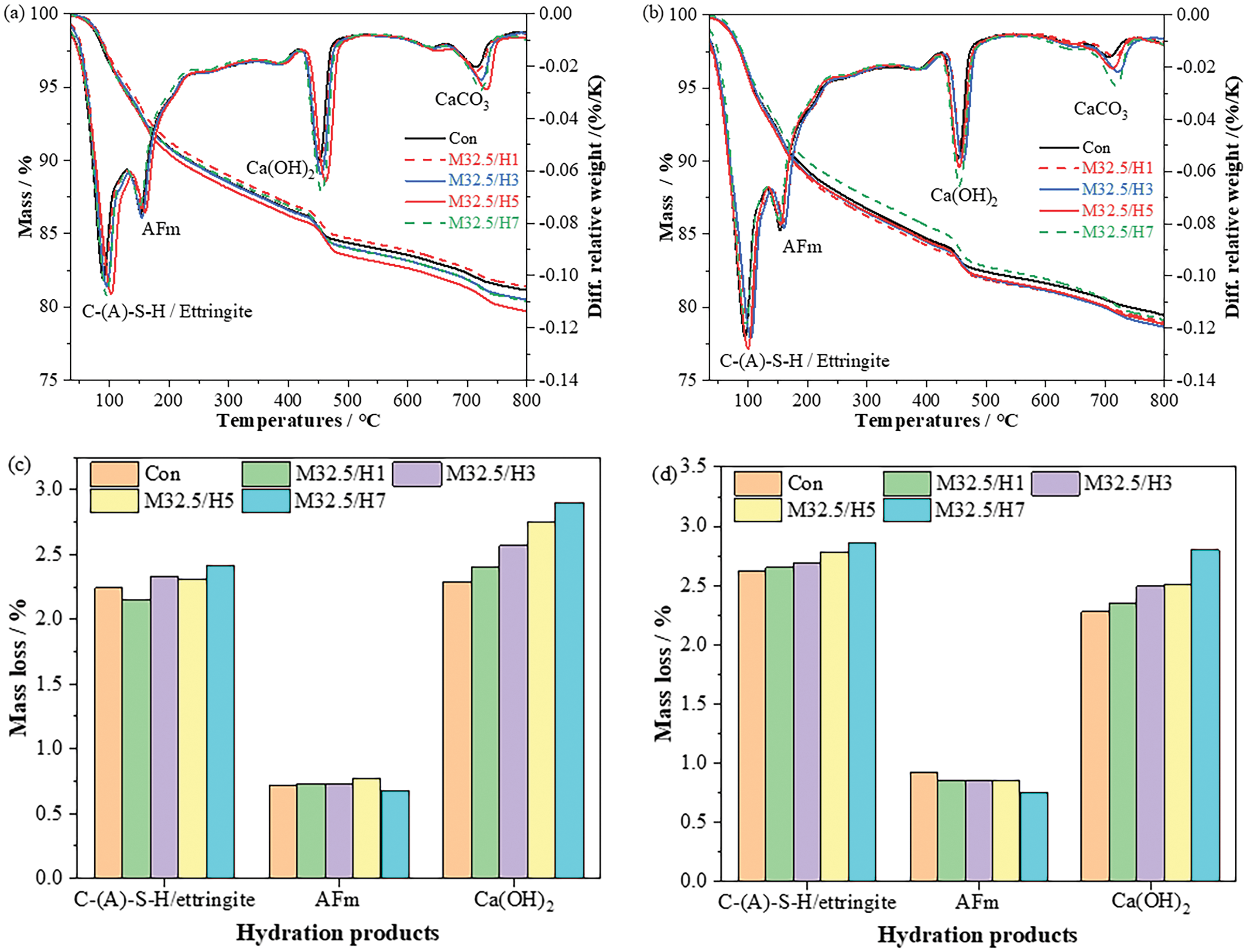
Figure 6 TG-DTG curves of pastes and the mass loss of hydration products at 28 days (a,c), and 90 days (b,d)
Figure 7 presents the pore structure of mortar samples at 28d and 90d. The pore size distributions of mortars reveal two distinct peaks representing gel pores (less than 10 nm) and capillary pores (ranging from 10 nm to 100 nm) [41]. The incorporation of hydrated lime induced a pronounced increase in the characteristic volume peak corresponding to gel pores (<10 nm). This enhancement in gel porosity typically signifies accelerated formation of cementitious gel products in hydrated lime groups, which aligns with TG-DTG analysis. Furthermore, the refinement of capillary pore structures is evidenced by a leftward shift in dominant pore diameter from 60 nm to approximately 30 nm in M32.5/H1–H7 samples, as illustrated in Figure 7a. The rapid dissolution of hydrated lime in the early hydration stage, releasing Ca2+ and OH−, stimulated the pozzolanic reaction of the solid waste components in cement, enhancing the formation of gel products and improving the microstructure of fine pores. Compared with the Con, 1 wt%–7 wt% of hydrated lime increased the small porosity (<50 nm) of mortar by 1.5 to 1.9 times. This might be conducive to enhancing the impermeability of mortar because the connectivity between small pores is relatively poor, thereby reducing the penetration of harmful substances and improving durability [41, 42]. However, this increase decreases significantly as age progresses. As shown in Figure 7b, the gel pore peak at 90 days was significantly increased in the Con compared to 28 days, whereas the hydrated lime group showed insignificant changes but still higher than that of Con.
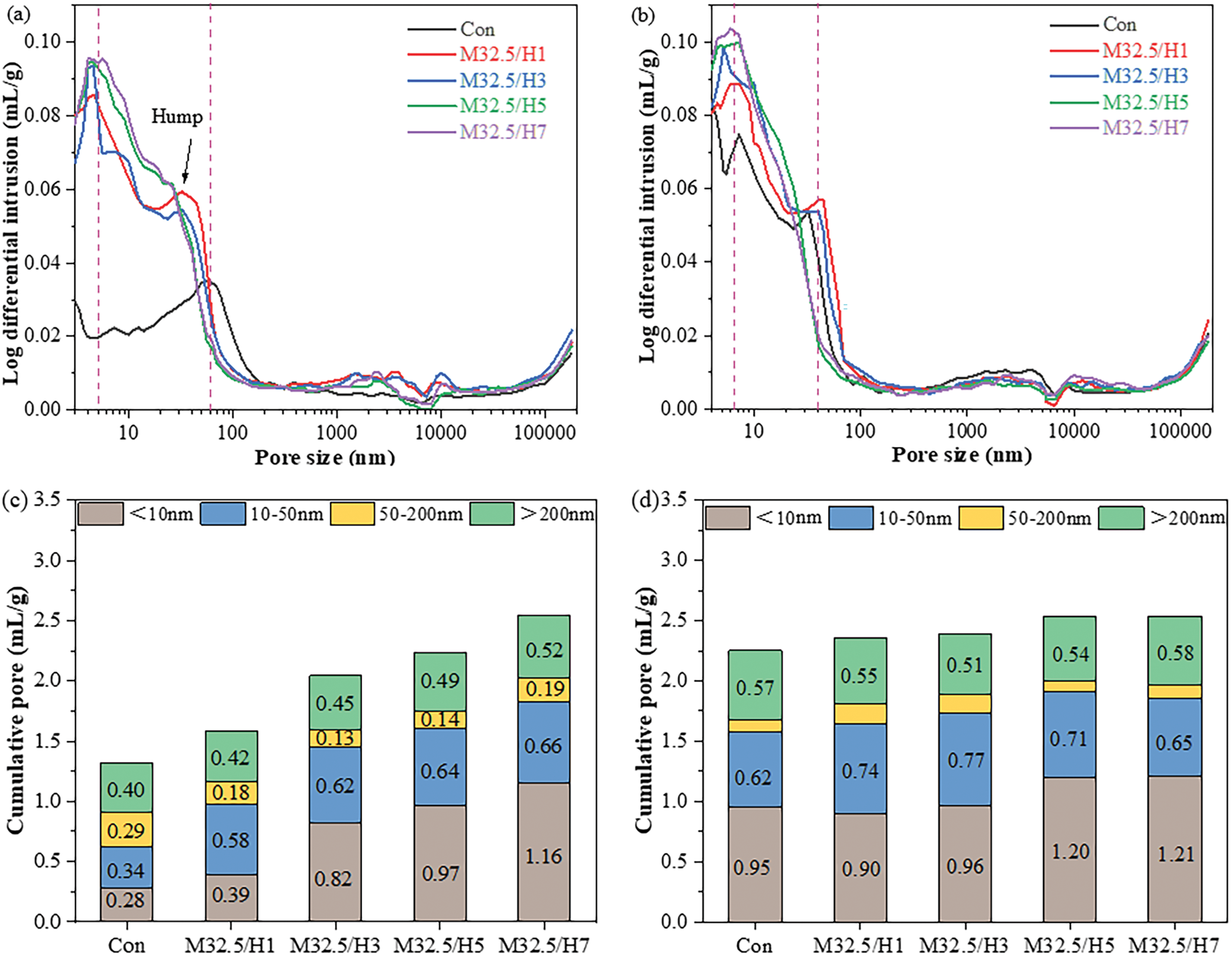
Figure 7 Pore structure of mortars: (a) pore sizes differential curves at 28 days; (b) pore sizes differential curves at 90 days; (c) distribution of different types of pores at 28 days; (d) distribution of different types of pores at 90 days
To provide a deeper understanding of how hydrated lime affects the pore structure of the mortar, the cumulative volumes of various pore classes were derived from the cumulative pore size distribution, as illustrated in Figure 7c,d. Based on pore size differences, the study categorizes pore systems into four classes: harmless pores (<10 nm), less harmful pores (10–50 nm), harmful pores (50–200 nm), and large harmful pores (>200 nm) [43, 44]. It is evident that the distribution of pores in the Con at 90 days was mainly composed of harmless pores and tiny harmful pores, and the total porosity (2.25 mL/g) significantly increased compared to that at 28 days (1.31 mL/g), with an increase of 72%. This phenomenon arises from the time-dependent pozzolanic reactivity, wherein progressive cement hydration generates Ca(OH)2, which generally shows decreasing total porosity and a shift from harmful to harmless small pores with increasing curing age [45]. Due to the incorporation of hydrated lime, the total porosity of the M32.5/H1–H7 at 90 days was increased by approximately 4.9%–12.9%, while the pore distribution was consistent with that of the Con. These results further confirm that the added hydrated lime promoted the pozzolanic reaction of cement in advance, refined the small pore size, and had a relatively small impact on harmful pores (>50 nm).
3.6 Compressive strength analysis
The compressive strength of the mortar is shown in Figure 8. The 28-day compressive strength of the M32.5/H1 combination decreased 3.3% to 4.9% when 1% hydrated lime was added compared to the Con. This was mainly caused by the diluting effect of slaked lime on the cement hydration system. The compressive strength first increased and then decreased as the hydrated lime dosage increased to 3–7%. The mix with 3% lime (M32.5/H3) exhibited the highest strength, exceeding that of the Con by 1.6–3.8% within 28 days. This is attributed to the hydrated lime activating the secondary hydration and increasing the generation of hydration products shown in Figure 6, which compensates for the initial dilution effect. This phenomenon arises from the dual role of hydrated lime: (1) promoting pozzolanic reactions that enhance hydration product formation (Figure 6), partially mitigating the initial dilution effect through enhanced C-S-H formation; (2) excessive substitution (≥5 wt%) exacerbates cement dilution while introducing surplus Ca(OH)2 that exceeds the critical concentration for complete pozzolanic consumption. Excess unreacted Ca(OH)2 tends to preferentially precipitate and accumulate in the interfacial transition zone (ITZ) between paste and aggregate, forming oriented, layered, and weakly bonded crystal stacks. This weakens the interfacial bonding strength and eventually induces microcracks at the paste-aggregate interface [46]. Consequently, the 28 days compressive strength decreased by 2.3%–9.7% (M32.5/H5) and 1.6%–11% (M32.5/H7), demonstrating the dosage-dependent transition between beneficial activation and detrimental oversaturation.
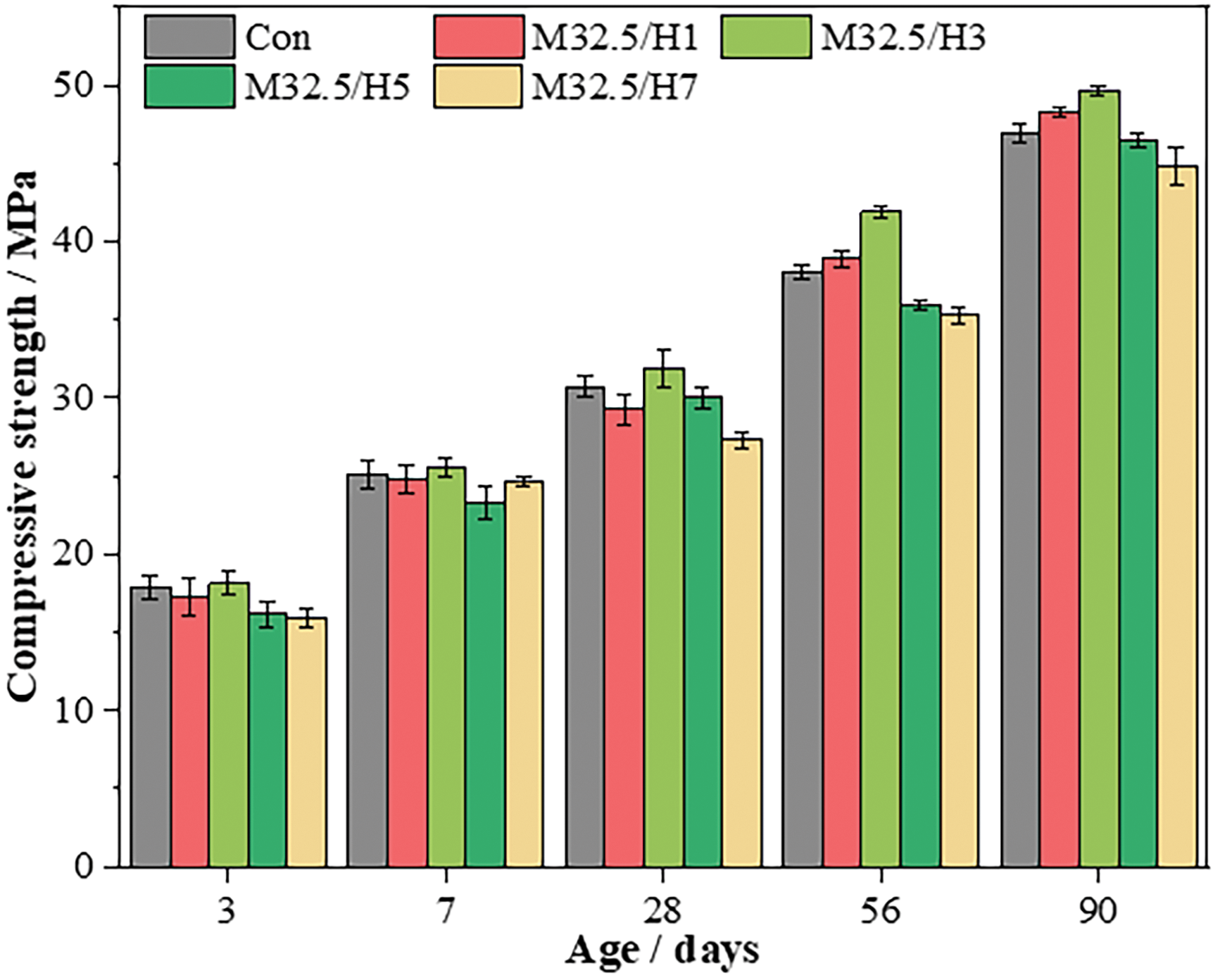
Figure 8 The compressive strength of mortars
To evaluate the long-term performance impact of hydrated lime on the M32.5 cement system, this study determined the compressive strength of mortar samples at 56 and 90d ages. The compressive strength of M32.5/H1 surpassed that of Con at both ages, exhibiting increases of 2.3% and 4.4%, respectively. Moreover, the compressive strengths of M32.5/H5 and M32.5/H7 increased as well as to close to the Con sample at the corresponding ages. Relative to the Con, the compressive strength of M32.5/H3 increased by 1.3% to 6% across all curing ages. This enhancement is likely attributed to the participation of hydration-derived Ca(OH)2 in secondary hydration, which further increasing the compressive strength of mortars.
Figure 9 presents the SEM of paste samples at 90 days. The Con exhibits a rough surface with visible cracks and hydration products, typical characteristics of micro-interfaces in cement mortars. The microstructure of mortar exhibits higher density after the addition of slaked lime, as evidenced by the extensive distribution of C–S–H gel phase across the specimen surface (Figure 9b). This observation is consistent with data obtained from TGA and MIP. The addition of hydrated lime introduced extra Ca(OH)2 introduced, which provides more available Ca2+ and promotes higher alkaline conditions conducive to secondary hydration. These produced C-S-H gels developed into a network structure with increasing dosage of hydrated lime as shown in Figure 9c, markedly enhancing the bond between hydration products and the matrix. Consequently, the pore structure of mortars containing hydrated lime was significantly refined, as illustrated in Figure 7. Additionally, some hexagonal Ca(OH)2 crystals are visible in Figure 9e, owing to the addition of excessive hydrated lime. This potentially weakens the bonding between hydration products, since unreacted Ca(OH)2 can embed within hydration products via dissolution and recrystallization.
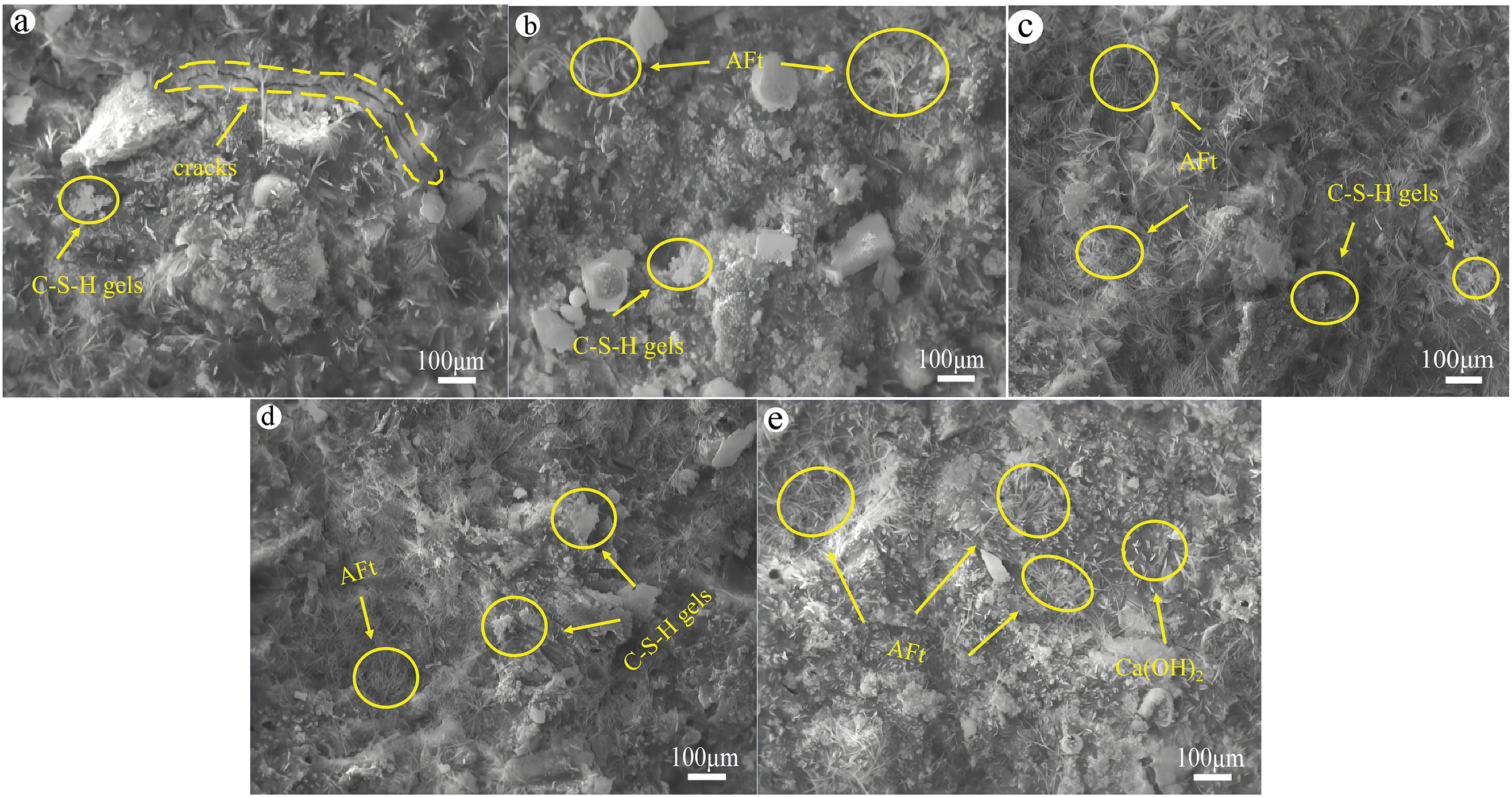
Figure 9 The SEM images of mortars at 90 days: (a) Con, (b) M32.5/H1, (c) M32.5/H3, (d) M32.5/H5, (e) M32.5/H7
Nanoindentation tests were performed to investigate the effect of hydrated lime on the micro-mechanical behavior of the pastes. Figure 10 presents the elastic modulus mapping for Con, M32.5/H3, and M32.5/H7 samples. It can be seen that the red areas (E > 60 GPa) with elastic modulus are observed in the elastic modulus mapping for all samples, which represent anhydrous cement particles. By adding 3 wt% and 7 wt% hydrated lime, it can be found that the distribution of elastic modulus between 10–30 GPa in M32.5/H3 and M32.5/H7 exhibited a wider distribution compared with Con, indicating the dense microstructure produced in the hydration product. This observation is consistent with the pore structure characteristics shown in Figure 7.
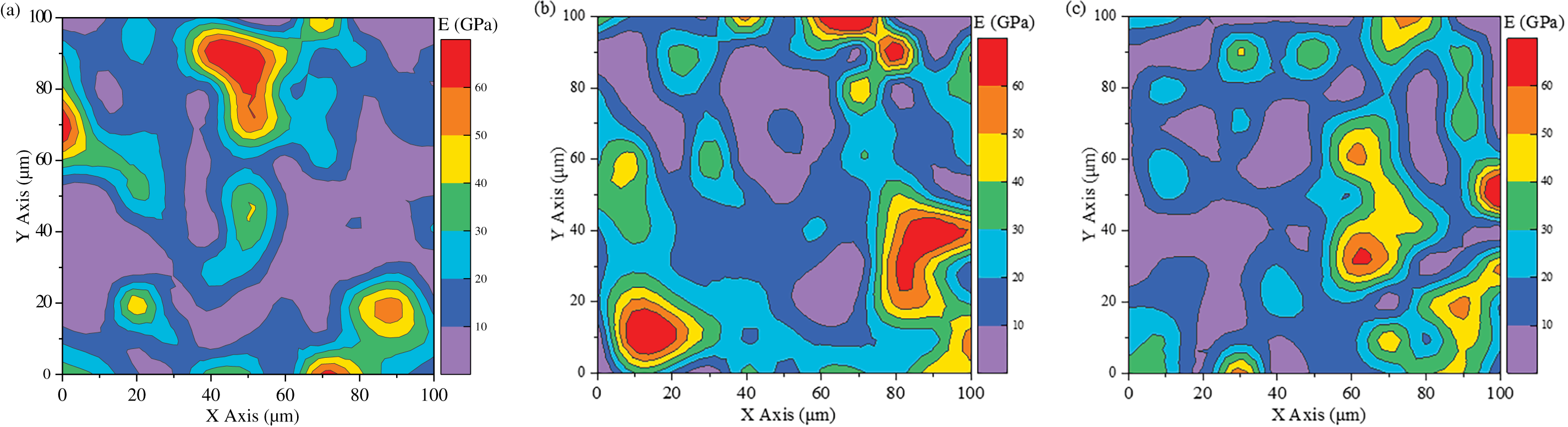
Figure 10 The nanoindentation results of paste samples: (a) elastic modulus mapping for Con, (b) elastic modulus mapping for M32.5/H3, (c) elastic modulus mapping for M32.5/H7
Excluding anhydrous clinker minerals, deconvolution analysis revealed four distinct hydration phases characterized by increasing elastic moduli. As depicted in Figure 11, these phases are identified as porous phases (PP), followed by low-density (LD), high-density (HD), and ultra-high-density (UHD) C-(A)-S-H [47]. The deconvolution results show that the major hydration product phases of Con samples are the PP and LD phases, with 0.48 and 0.39 of π, respectively. When 3 wt% hydrated lime was added, the PP phase of M32.5/H3 decreased to 0.24 while the LD phase increased from 0.39 to 0.61, the HD phase from 0.08 to 0.10, and from 0.04 to 0.05 in the UHD phase, suggesting a denser microstructure in the resulting hydration products. Concurrently, the elastic modulus of these phases further increased by 1.84 GPa, 5.15 GPa, and 1.46 GPa shown in Figure 11b, resulting in a larger average elastic modulus of 25.4 GPa for M32.5/H3 compared with 18.9 GPa of Con. This enhancement is conducive to increased compressive strength, as seen in Figure 8. However, the paste containing 7 wt% hydrated lime exhibits a declining trend in the mean value for the phases, despite achieving an average elastic modulus of 22.3 GPa, which remains higher than that of Con. The excess Ca(OH)2 that the slaked lime introduces, which successfully encourages the formation of the UHD phase, is responsible for this phenomenon. In essence, this phase is a combination of Portlandite and C-S-H [48]. Furthermore, the decrease in the mean value of M32.5/H7 further confirms that the unreacted Ca(OH)2 crystals may weaken the bonding between hydration products.
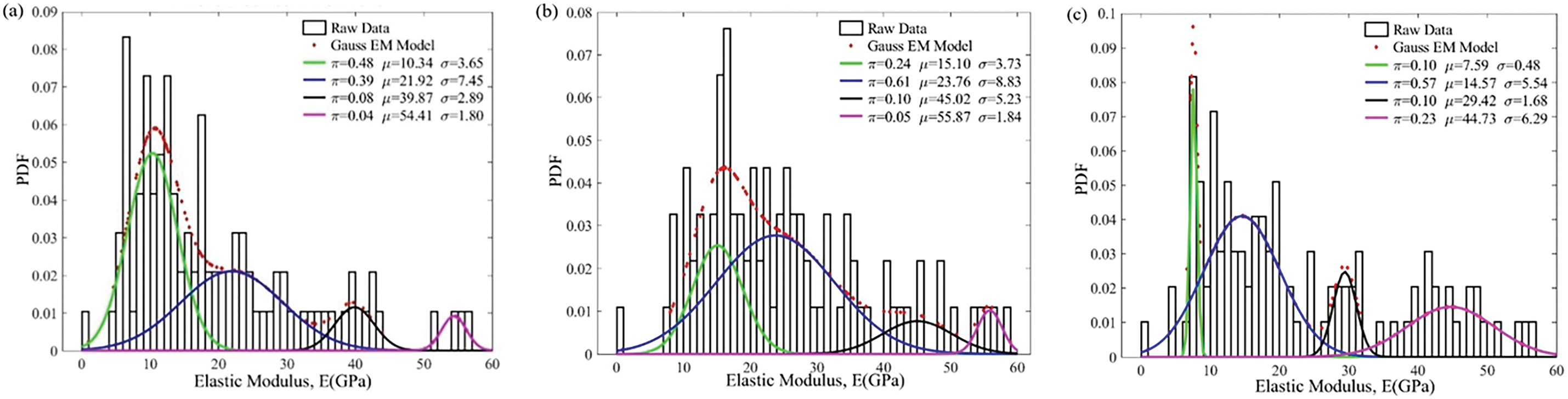
Figure 11 Deconvolution results of elastic modulus for Con: (a), M32.5/H3: (b), and M32.5/H7: (c)
3.9 Chloride-ion penetrability
Figure 12 illustrates the variation in chloride-ion penetration resistance of M32.5 mortars with hydrated lime incorporation. At 28 days, the Con exhibited the highest total charge among all samples, reaching approximately 2154 C. The total charge passed through mortars containing hydrated lime is consistently lower than that of the Con, with the M32.5/H5 sample showing the lowest total charge of 1647 C, a reduction of approximately 23.5% compared to the Con. This suggests that adding hydrated lime significantly improves M32.5 mortar’s resistance to chloride ion penetration. This enhancement can be ascribed to hydrated lime optimizing the hydration process of M32.5 cement, leading to a slower heat release, which helps preventing internal defects that can result from concentrated heat release. Moreover, the MIP results reveal that the hydrated lime refines the pore structure of the mortar and reduces the pore size, which could limit pore interconnectivity. In addition, AFm phases can chemically bind chloride ions to form Friedel’s salt, while C–S–H gel can physically adsorb chloride ions, thus inhibiting the propagation of chloride ions [49].
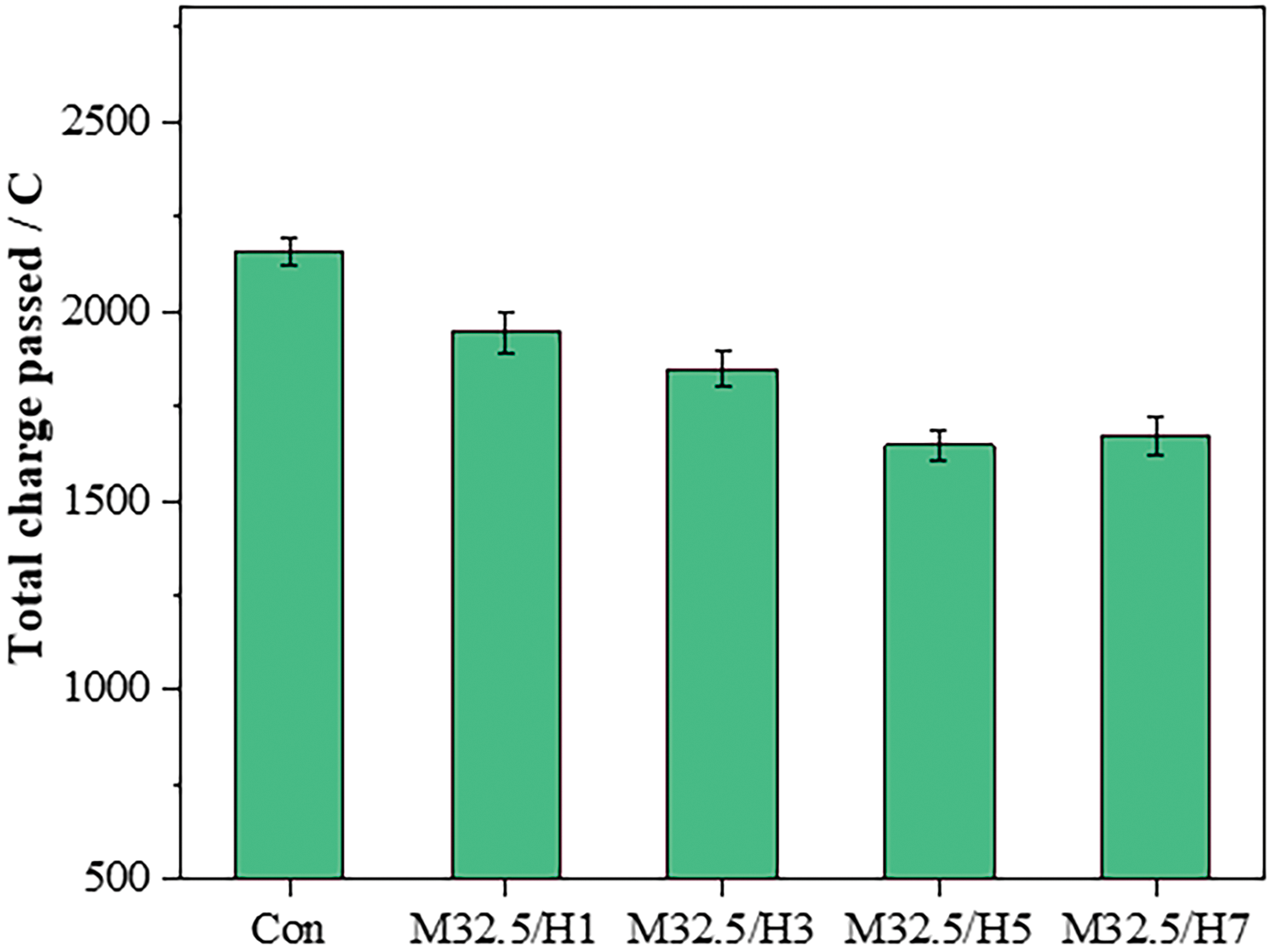
Figure 12 Chloride-ion penetrability of mortars at 28 days
3.10 Economical and environmental analysis
To evaluate the economic and environmental impacts of hydrated lime addition, we conducted a five-dimensional assessment of M32.5 cement mortars, including embodied carbon, cost-benefit analysis, mechanical characteristics, material cost, and eco-efficiency. Table 4 presents the estimated raw material costs and carbon content of the M32.5 cement mortars produced. CO2 emissions and economic assessment were calculated using Equations (1) and (2), respectively.
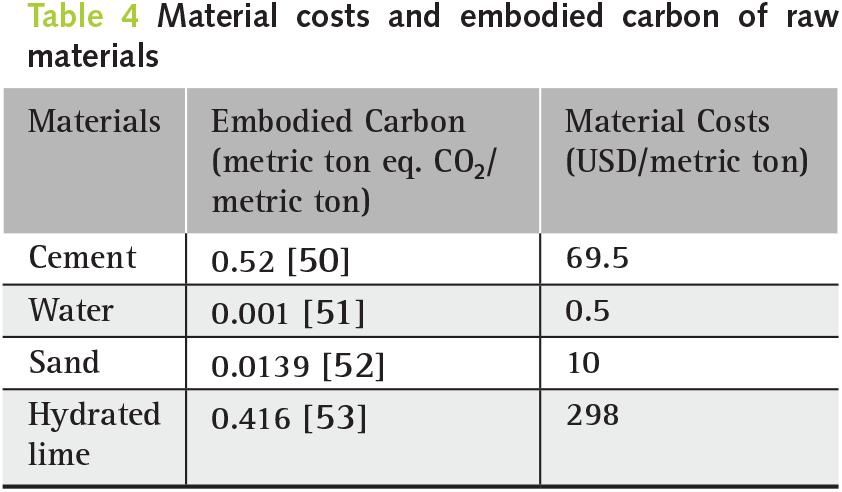
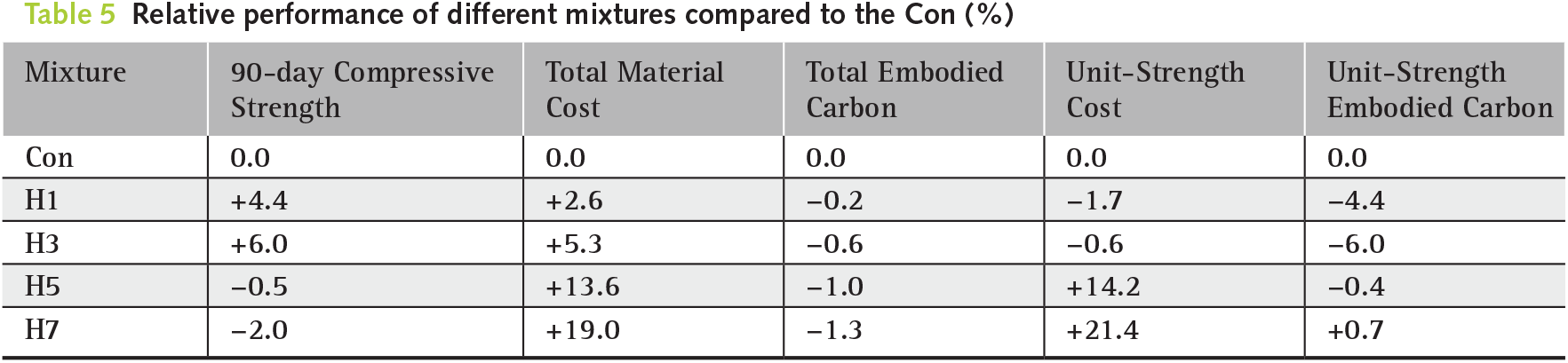
The five-dimensional assessment results of M32.5 cement mortar are shown in Figure 13, with quantitative unit-strength metrics further detailed in Table 5. Although hydrated lime exhibits only a 20% lower embodied carbon per unit mass (0.416 vs. 0.52 t CO2/t), it is approximately 4.3 times more expensive than cement (298 vs. 69.5 USD/t). This indicates that economic and environmental benefit of hydrated lime do not arise from direct mass-based reduction, but from the enhanced compressive strength that decreases unit-strength cost and unit-strength embodied carbon. It is evident that 1–3 wt% hydrated lime incorporation improves both compressive strength benefits and comprehensive environmental performance. For instance, M32.5/H1 and M32.5/H3 outperform the Con, with 0.6%–1.7% lower unit-strength cost and 4.4%–6.0% lower unit-strength embodied carbon despite a 2.6%–5.3% increase in total material cost. M32.5/H5 shows comparable total embodied carbon but slightly reduced economic performance, while M32.5/H7 exhibits deteriorated overall performance due to significant strength loss. These results indicate that appropriate hydrated lime dosages (e.g., 1 wt% or 3 wt%) can achieve higher environmental benefits compared with pure M32.5 cement, without imposing a substantial additional economic burden on a unit strength basis. This highlights the practical potential for hydrated lime-modified low-clinker cement for low-carbon construction and environmentally sustainable application.
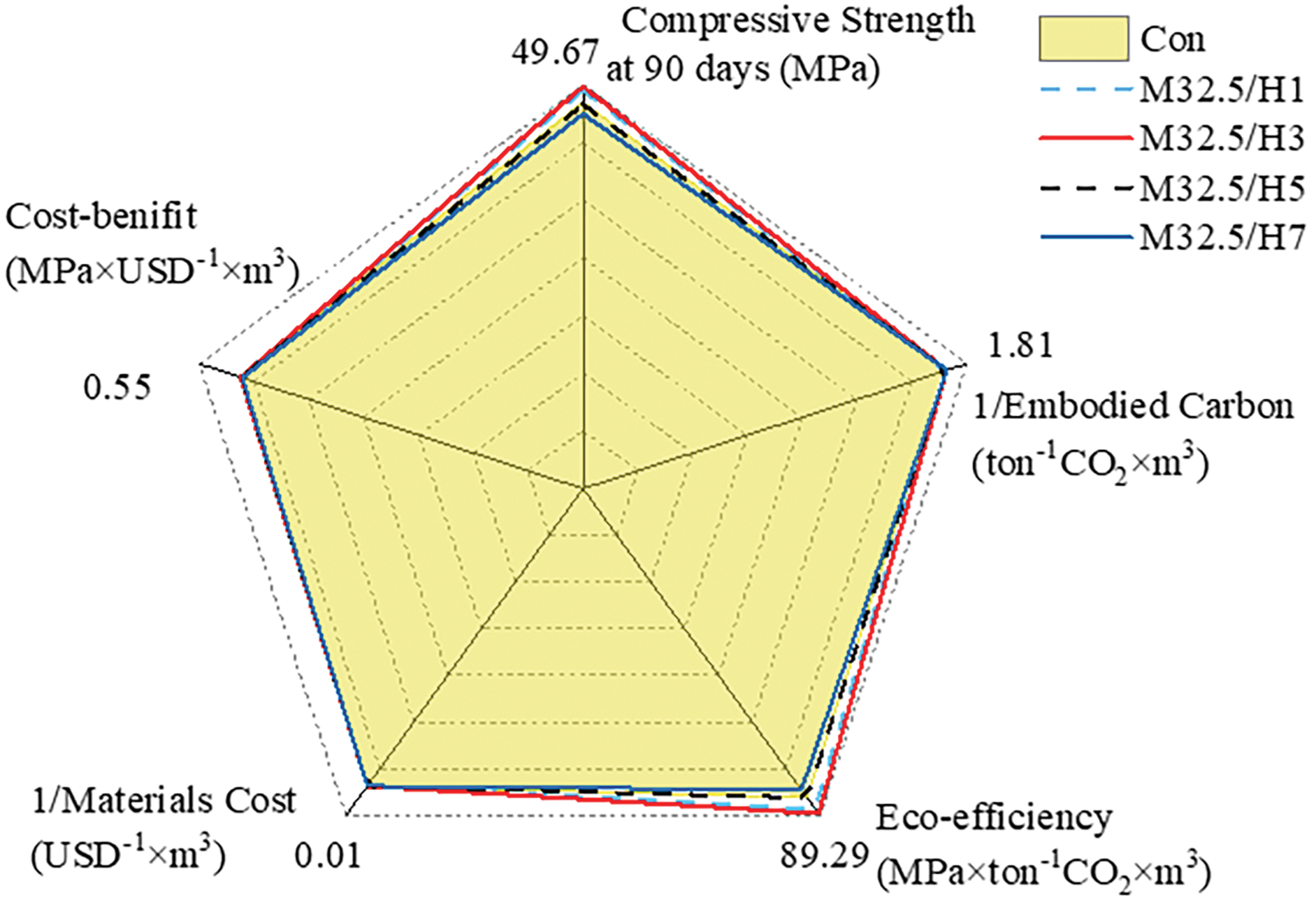
Figure 13 The five–dimensional assessment results of M32.5 cement mortars with hydrated lime
This study systematically investigated the effects of hydrated lime on the hydration, microstructure, and performance of M32.5 low-clinker cement. The results demonstrated that incorporating hydrated lime prolongs the initial setting time by 13.8%–67.3% and the final setting time by 5%–19.6%, due to the diluting effect of hydrated lime on cement hydration. Hydration kinetic analysis shows that hydrated lime optimizes the hydration process of M32.5 cement, leading to a lower and slower heat release process with minimal influence on cumulative heat release. Compared to Con, the peak values of heat release decreased by 0.4%–33.7%, while the cumulative heat release decreased by a maximum of only 7.8%. This is beneficial to promote uniform formation of hydration products and reduces internal defects caused by concentrated heat release. Consequently, hydrated lime promoted the formation of hydration products, refined the pore structure, and improved chloride ion penetration resistance by up to 23.5%, thereby enhancing the long-term durability of M32.5 cement mortars. At the optimal dosage of 3 wt% hydrated lime, the average elastic modulus of the mortar was improved, and the compressive strength was increased by 1.3%–6% across all curing ages. Economic and environmental analysis indicates that appropriate dosages (1–3 wt%) of hydrated lime improve both eco-efficiency and cost-benefit without additional economic burden. These findings demonstrate that an appropriate amount of hydrated lime can simultaneously optimize hydration process, mechanical properties, and durability of low-clinker cement without additional economic burden.
Overall, the present work provides fundamental insights into the broader application of low-clinker cement systems through clinker substitution strategies, such as utilizing alkaline additives (e.g., hydrated lime, carbide slag) to optimize binder formulations while reducing carbon emissions. Furthermore, hydrated lime-modified M32.5 cement demonstrates promising potential for tailings consolidation and large-volume backfilling, where extended workability is advantageous. Future research should focus on the long-term durability of hydrated lime modified low-clinker cement under aggressive environments, including freeze-thaw cycles, sulfate attack, and acidic conditions. In addition, the dual role of hydrated lime as both a calcium source and a pH regulator in hydration product formation requires further investigation. Full-scale validation in practical engineering applications and life-cycle assessment are also necessary to further advance the low-carbon and sustainable development of the cement and mining industries.
Acknowledgement
The Analytical and Testing Center of Anhui University of Science and Technology is appreciated for their help in sample analysis.
Funding Statement
This study was funded by the Natural Science Research Project of Anhui Educational Committee (2023AH051171), the Scientific Research Foundation for High-level Talents of Anhui University of Science and Technology (2022yjrc27), Open Project of the Key Laboratory of Advanced Civil Engineering Materials of Anhui Province (JZCL2403KF), Open Project of Anhui Key Laboratory of Mining Construction Engineering (GXZDSYS2023105), Anhui Postdoctoral Scientific Research Program Foundation (No. 2024C937), the Anhui Province Science and Technology Plan Project of Housing Urban-rural Construction (2022-YF071), the National Natural Science Foundation of China (52227901), and the National Natural Science Foundation of China (52278236).
Author Contributions
Jin Li: Conceptualization, writing—original draft preparation and editing. Xueyan Liang: investigation. Peiyuan Chen: writing—reviewing and editing, supervision, resource. Lei Wang: investigation, data curation. Nan Chen: investigation. Haoxiang Lyu: investigation. Aiguo Wang: methodology, writing—reviewing and editing, supervision. All authors reviewed and approved the final version of the manuscript.
Availability of Data and Materials
Data will be made available on request.
Ethics Approval
We have clarified that this study does not involve human participants or animals, and therefore no ethics approval is required.
Conflicts of Interest
The authors declare no conflicts of interest.