Low temperature drying: a case study
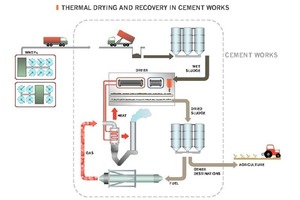
Incorporating waste treatment processes in systems in which residual energy can be utilized is one of the best residue management alternatives. With an LHV of between 2000 and 4500 kcal/kg, efficiently dried sewage sludge can be used as standard fuel, thereby reducing primary energy consumption and the CO2 quota.

1 Introduction

The emission reduction requirements established by the Kyoto Protocol pose an enormous challenge for the industrial world, and most particularly for the main industrial consumers of fossil fuels, such as, for example, the cement industry. In this type of industry, fuel costs exceed 30 % of production costs. Consequently, for several years now, most of these industries have started implementing energy optimisation measures in their processes. To date, strategies have been based on the search for alternative fuels – classified as substitute ­fuels, e. g. sewage waste [1] and...

Related articles:

Issue 7-8/2020 WORLD CEMENT ASSOCIATION (WCA)  HUAXIN CEMENT | SINOMA CEMENT | SINOMA INTERNATIONAL ENGINEERING

Contributing to community sustainability: The role of co-processing municipal waste in China

The CSI “Technology Roadmap: Low-Carbon Transition in the Cement Industry” primarily considers the use of alternative fuels to reduce fuel cost at the same time as reducing CO2 emissions. However,...

more
Issue 07/2024 STELA LAXHUBER

Drying of alternative fuels and refuse derived fuels

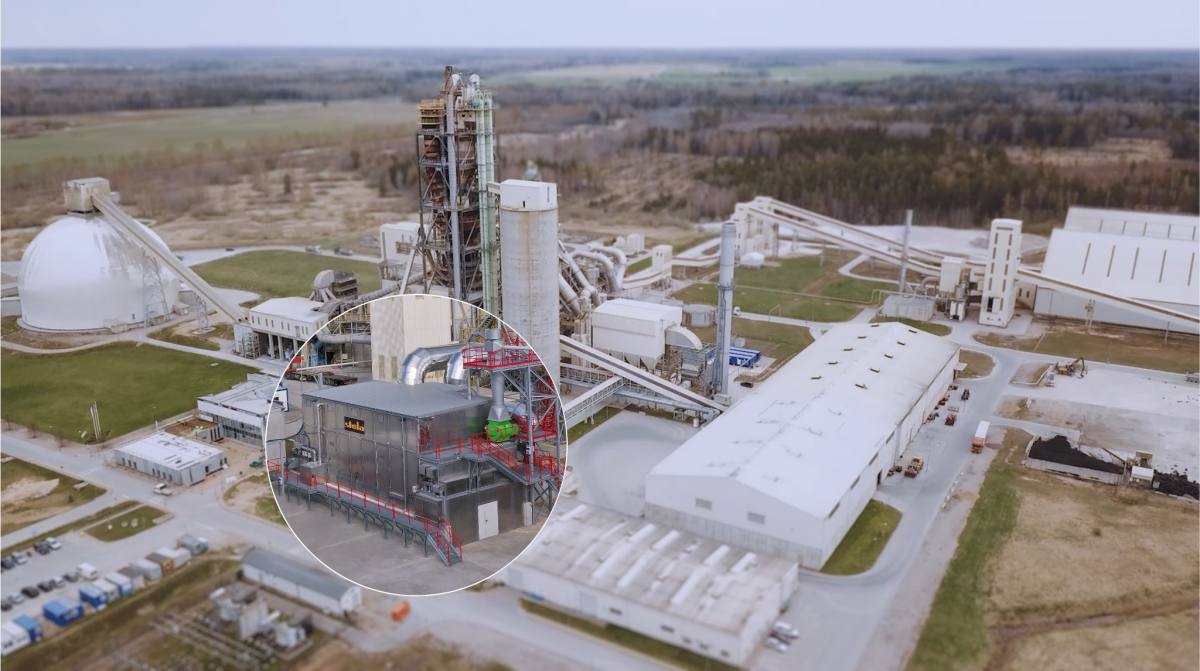
stela Laxhuber Trocknungstechnik regularly trains its engineering team in the respective fields of application. For some years now, the drying of alternative fuels (AF) and refuse derived fuels (RDF) has been increasingly in focus, and not just in the cement industry.

more
Issue 1/2021 EP 3 741 729 A1

Method for treating sludge and cement manufacturing system

(22) 27.08.2018(43) 25.11.2020(57) A sludge treatment method includes: preparing a mixture by mixing dehydrated sludge and cement raw meal; drying the mixture by a dryer that brings the mixture into...

more
Issue 07/2024 EGGERSMANN ANLAGENBAU GMBH

Eggersmann FUEL: The custom solution for the cement industry

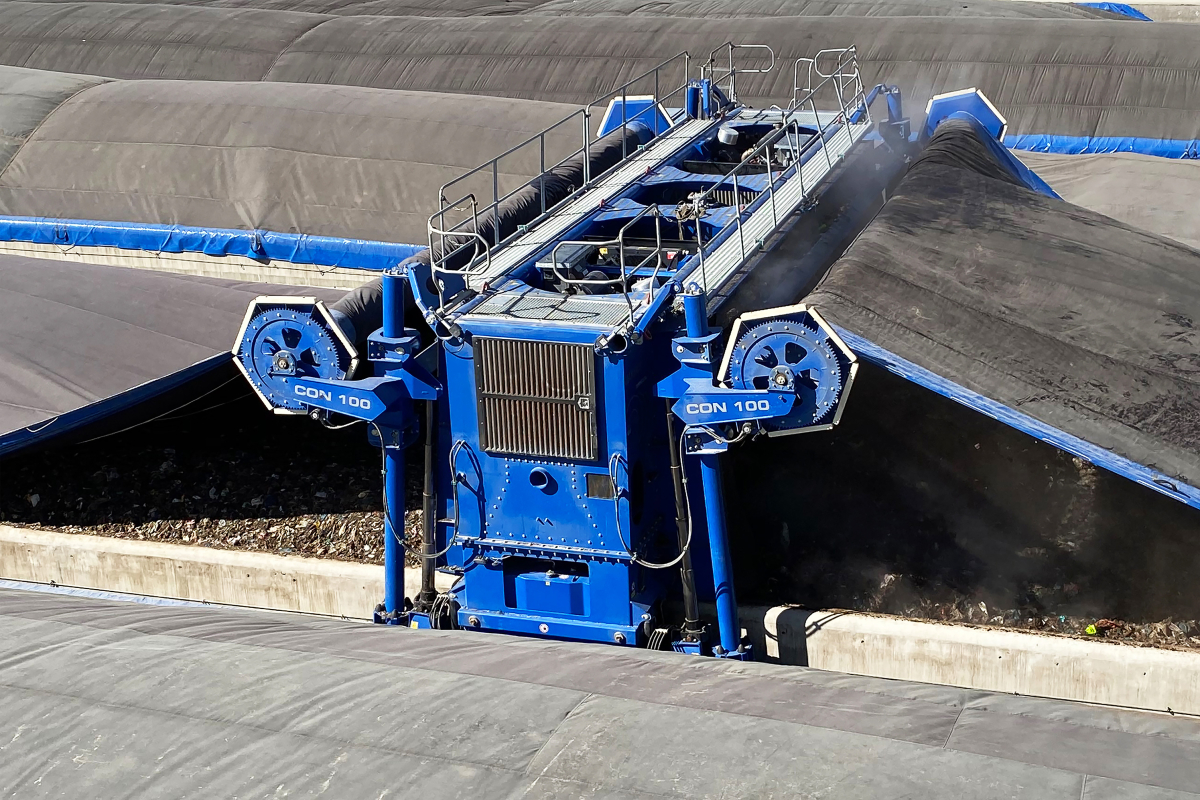
Landfill diversion, lower consumption of virgin fossil fuels, lower CO2 emissions – alternative fuels derived from municipal solid waste (MSW) offer many advantages, but they are rarely adjusted to the needs of the customer. The Eggersmann FUEL is different.

more
Issue 7-8/2014 ISKITIMTSEMENT

The industrial practice of fuel and power saving at JSC Iskitimtsement

The cement industry is the most energy-intensive industry in the construction material sector. So it is no wonder that there are a lot of efforts to...

more