Trends in cement kiln pyroprocessing
 Source/Quelle: www.cemfocus.com
 Source/Quelle: www.cemfocus.com
 Source/Quelle: Polysius
 Source/Quelle: OneStone
 Source/Quelle: FLSmidth
 Source/Quelle: KHD
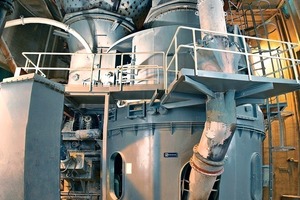 Source/Quelle: FLSmidth
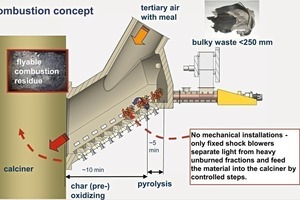 Source/Quelle: Polysius
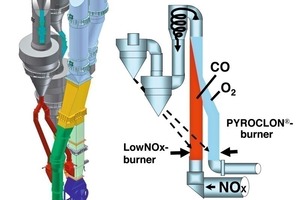 Source/Quelle: www.cemfocus.com
![10 Heat losses of a kiln line [1]](/uploads/images/2012/w300_h198_x155_y99_101530390_44cc4d6674.jpg) Source/Quelle: www.cemfocus.com
Source/Quelle: www.cemfocus.com
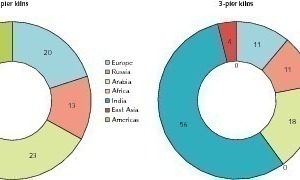 Source/Quelle: KHD
 Source/Quelle: Pillard
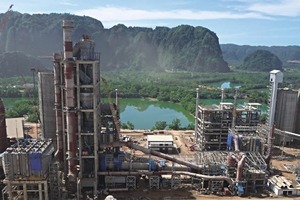 Source/Quelle: FLSmidth
Plant engineering companies supplying the cement industry have recently started talking about plants oriented to the needs of the customer. Attributes such as “tailor-made” or “standardized” seem to be a thing of the past.
1 Introduction
In recent years there have been no really new and profound technical developments in kiln technology and none are to be expected in the cement industry in the foreseeable future. Nevertheless, there are a number of trends that have a great influence on purchasing decisions and on current technology standards:
Dry process with preheater and calciner
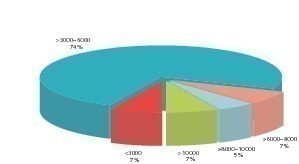
Most usual plant sizes between 3000–6000 tpd
Specific heat consumptions of < 725 kcal/kg cl (5-stage preheater)
Specific electrical energy requirements < 90 kWh/t
Lowest possible emission rates (NOx, SOx, dust, noise)
Automatic plant...