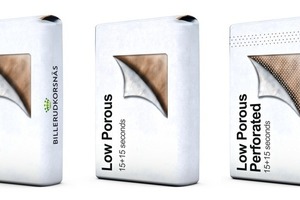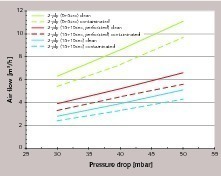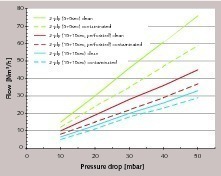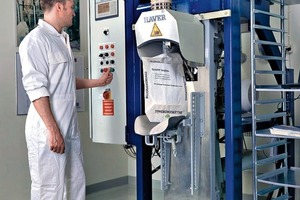
Influence of different sack paper porosity on filling performance
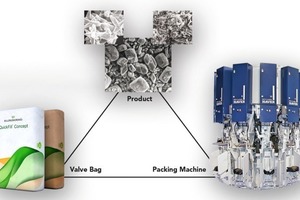
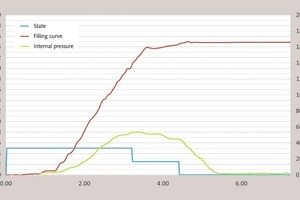
The results of a study show that it is possible to optimise the filling process so that an improvement in filling time and cleanliness is achieved.

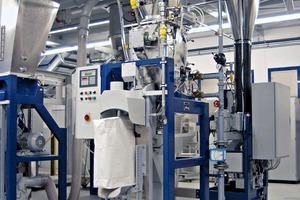
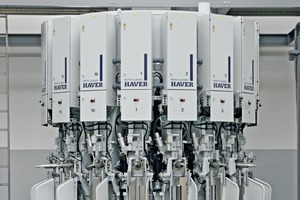
In the building material production and processing industry, various powdery products for a variety of purposes are packed into flexible packaging, in small to large quantities. Depending on the needs and requirements of the end consumer, filling and storing of the filled packages is done using various types of packaging materials. The most frequent and versatile packaging for powder products is the valve sack made of paper.

1 Introduction

Over the recent years, filling systems have been continuously developed to keep up with the ever growing demands for filling performance, weight accuracy and...

Related articles:

Issue 04-05/2025 CEPI EUROKRAFT

Comparative study highlights benefits of paper sacks over WPP alternatives

For producers of cement and building materials, efficiency, sustainability, and worker health and safety are key to operational success and brand reputation. Packaging plays a crucial role in all three areas. To assess performance, CEPI Eurokraft commissioned lab tests comparing paper and woven polypropylene (WPP) cement sacks.

more
Issue 12/2014 REPASACK

Paper sack recycling loop

When the Packaging Ordinance came into force on 01.01.1993, the German economy was bound by law for the first time to return packaging after use and play an active role in its disposal. Since then the ordinance has been continually refined – most recently with the introduction of the seventh amendment – in order to constantly improve the process of returning packaging and prevent abuse of the system.

more
Issue 5/2016 US 2016/0083144 A1

Paper sack

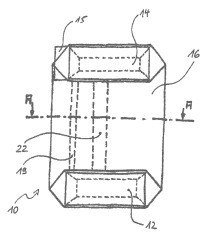
(22) 10.04.2014 (43) 24.03.2016 (57) The present invention relates to a paper sack for bulk material such as cement, gypsum, granulate, animal feed...

more