A TEC | LAFARGEHOLCIM

In-line calciner conversion at LafargeHolcim Mannersdorf
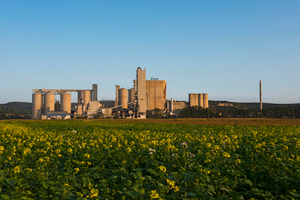
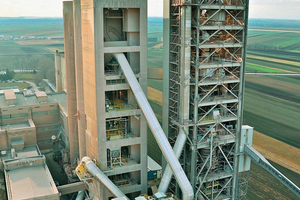
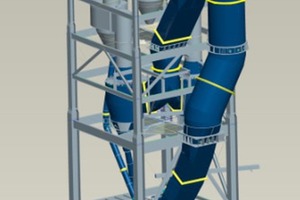
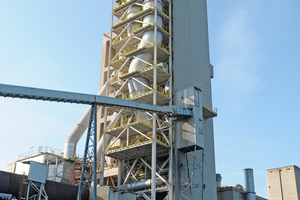
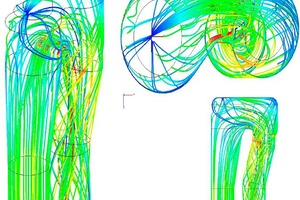
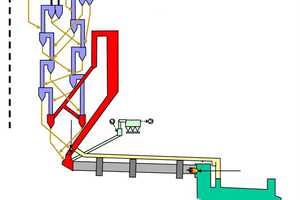
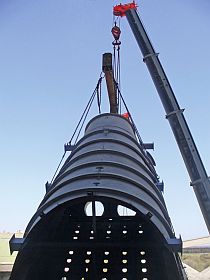
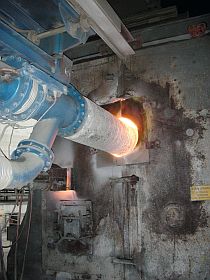
With the current trend of maximizing the substitution rates of alternative fuels while emission regulations are becoming more restricted, the cement industry is facing various challenges. While for in-line calciner systems the use of solid alternative fuels is well proven, separate-line calciners are in many cases limited to a great extent as regards the use of this fuel. LafargeHolcim in Mannersdorf/Austria has set a goal for maximizing solid alternative fuel rates with simultaneous reduction of CO and NOX emissions. To reach this target a conversion from the existing separate-line calciner to an in-line calciner for the kiln line in Mannersdorf has been done, considering the restrictions of the existing system, aiming at 100 % solid alternative fuel utilization in the calciner and reaching lower emission values. In addition, the increase of preheater efficiency was also addressed in this project. A TEC Production and services acted for this as supplier for technology and engineering as well as for equipment supply and the necessary site works for installation on a turn-key basis.

1 Introduction

Due to the high demand of thermal energy for clinker production, fuel economics as well as emissions are a central topic for efficient and sustainable clinker production [1].

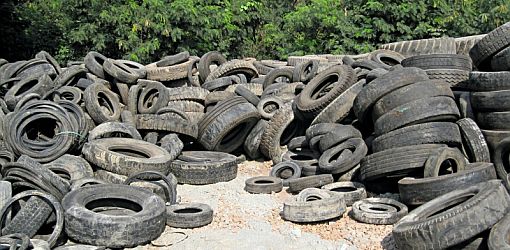
Using alternative fuels offers kiln operators the possibility to reduce emissions as well as to be more competitive on the market due to the cost savings regarding fuel costs of fossil fuels [2].

The utilization of alternative fuels, however, comes with several challenges for the process with disadvantages such as insufficient burn-out which might lead to increased emission levels and impact on the production...

Related articles:

Issue 06/2014 thyssenkrupp industrial solutions

PREPOL Step Combustor (SC) – a simple combustion system for solid alternative fuels

Operational experience shows that waste has to be pre-processed in a mechanical plant before its derived fuel can be used in a cement plant with standard equipment. The fuel must be comminuted to 20-50 mm to entrain into the gas stream and totally burnout within the short retention time in the calciner or at the kiln end. Alternatively, solid waste derived fuel ...

more
Issue 06/2014 FLSMIDTH

HOTDISCTM – a perfect combustion device for coarser alternative fuels

The substitution of fossil fuels in cement production has increased significantly in the last decade. Due to rising energy costs and ever stricter energy and environmental regulations, alternative fuels technology is becoming an important factor in controlling costs. To gain competitive edge, many cement and ...

more
Issue 5/2014 Special AFR

Proven experience with alternative fuels in the cement kiln process

In times of increasing energy costs, it is of vital interest for any company to save energy. To cut the energy costs for clinker production, the German cement industry started substitution of primary fuels with Alternative Fuels (AF) such as used oil or tyres after the first oil crisis of 1973. Today, alternative fuels and raw materials (AFR) include a wide range of types of hazardous and non-hazardous waste...

more
Issue 10/2016 DALLA CEMENT FACTORY

An initiative for alternative fuels co-processing in the cement kiln

At Dalla Cement Factory a conscientious initiative to search for opportunities to utilize hazardous and non-hazardous industrial/domestic waste from nearby areas as alternative fuels has been taken. The company has been making concerted efforts ...

more
Issue 3/2018 HUMBOLDT WEDAG GMBH

KHD installs Pyrorotor Calciner Technology for highly flexible alternative fuel burning in Austria

Cologne-based Humboldt Wedag GmbH has been awarded an EPC contract by Rohrdorfer Cement Group for the kiln line modernization at its cement plant operations in Gmunden/Austria. The kiln modification ...

more