Energy efficiency in the German cement industry against the background of more stringent energy policy targets and rising energy costs – Part 1
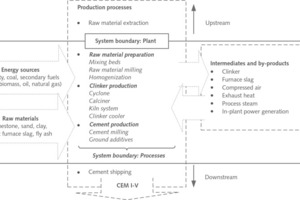
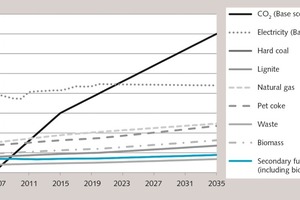
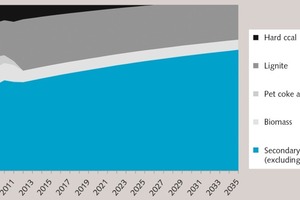
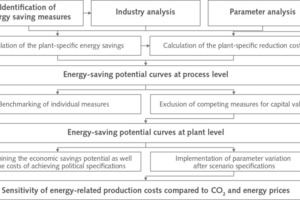
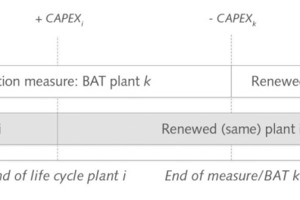
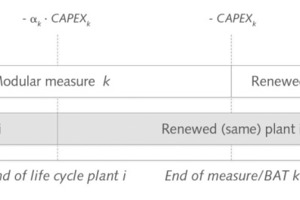

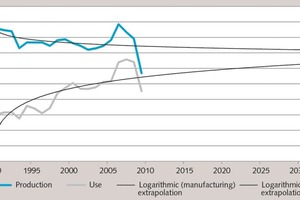
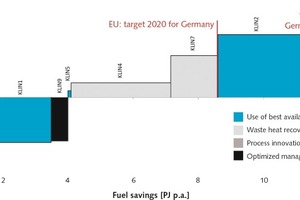
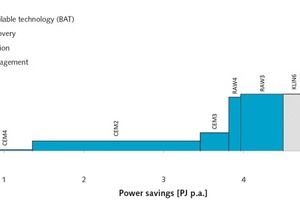
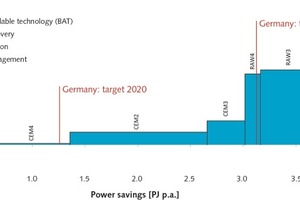
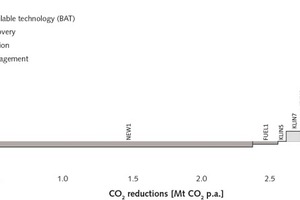

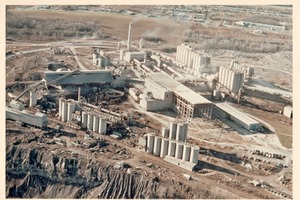
Increasingly stringent political demands are being imposed on the energy productivity of the industry. In a plant-specific investigation, the savings potential for electrical energy, fuels and CO2 emissions of the German cement industry in the period 2013 to 2035 was studied within an economic framework. Part 1 contains the applied method and initial calculations.
1 Introduction
The cement industry is characterized by a particularly high share of energy costs to the gross value added, and is therefore classified as an energy-intensive industry. Because they represent such a high portion of overall expense in an industry that mainly produces standardized goods, the specific energy costs are often critical competitive factors and as such were already in the focus of plant owners long before the term “energy efficiency” became omnipresent in the political world. In the last two decades, political decision-makers have realized that energy efficiency can...