

Cemex cement helps smooth travel at world‘s busiest airport in Atlanta
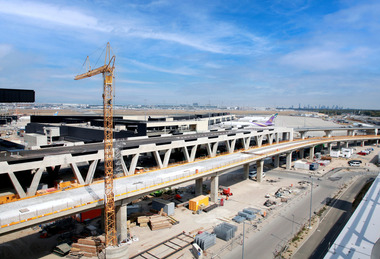
Thousands of travelers who connect to global destinations through Atlanta Hartsfield-Jackson International Airport, the busiest airport in the world, are now taking to the skies by utilizing a revamped 3.8 km runway and taxiway built with nearly 15000 t of cement supplied by Cemex.
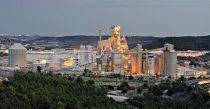
In August 2019, general contractor McCarthy Improvement Company started work on the reconstruction of Atlanta Hartsfield-Jackson International Airport’s 9L-27R runway and corresponding taxiway as part of the airport’s US$ 6 billion expansion and makeover plan. With construction crews required to adhere to strict completion timelines, Cemex delivered cement 24 hours a day, 7 days a week, from its cement plant in Clinchfield, Ga., to assist McCarthy in its efforts.
Atlanta’s 9L-27R runway is the longest runway at the airport designed to accommodate today’s larger aircraft required for long-haul international flights. Through Atlanta Hartsfield-Jackson International Airport, travelers can fly to more than 75 international destinations in 50 countries. The airport typically serves more than 110 million travelers annually and has been the busiest in the world since 1998.
The runway and taxiway reconstruction were part of Phase 1 and 4 of construction at the airfield. Cemex also supplied an additional 4000 t of cement for other projects related to the airport’s renovation.
//www.cemex.com" target="_blank" >www.cemex.com:www.cemex.com