VDZ responds to future skills requirements in the cement industry
The cement industry is undergoing multiple transformations: decarbonisation, digitalisation, and demographic change. Preparing the workforce for this evolving environment is therefore becoming a strategic success factor for cement companies. While core competencies in process technology and environmental management remain essential, new technologies, alternative materials, and the development of CCUS value chains require additional skills and expertise.
For more than 65 years, VDZ has been a leading provider of education and vocational training for the cement industry and related sectors. As industry’s skill requirements evolve, VDZ continuously adapts and expands its training portfolio. Topics such as decarbonisation strategies, digitalisation, CO2 capture, clinker-efficient cements, advanced process and material technologies are already integral parts of the programme. Learning formats are continuously refined to ensure practical relevance, effective knowledge transfer, and sustainable competence development.
Selected highlights from the current programme include:
The training course “Firing Alternative Fuels” (20–23 April 2026, online) provides detailed information on the use and firing of alternative fuels, including pre-treatment, quality control, and impact on the burning process.
The seminar “Advanced Cement Chemistry: Use of Alternative Raw Materials and Fuels” (12–13 May 2026, VDZ) focuses on the use of alternative raw materials and fuels in clinker production and their influence on the clinker burning process.
The seminar “Technologies and Optimisation Strategies for Efficient CO2 Capture” (19–20 May 2026, online) gives a concise overview of technologies and optimisation strategies for efficient CO2 capture, covering the fundamentals of carbon capture processes and the key criteria for integrating capture systems into existing plants.
The “Crash Course Process Control” (22–24 September 2026, VDZ) offers a structured understanding of cement plant control systems, enabling participants to develop long-term control strategies and respond systematically to process disturbances.
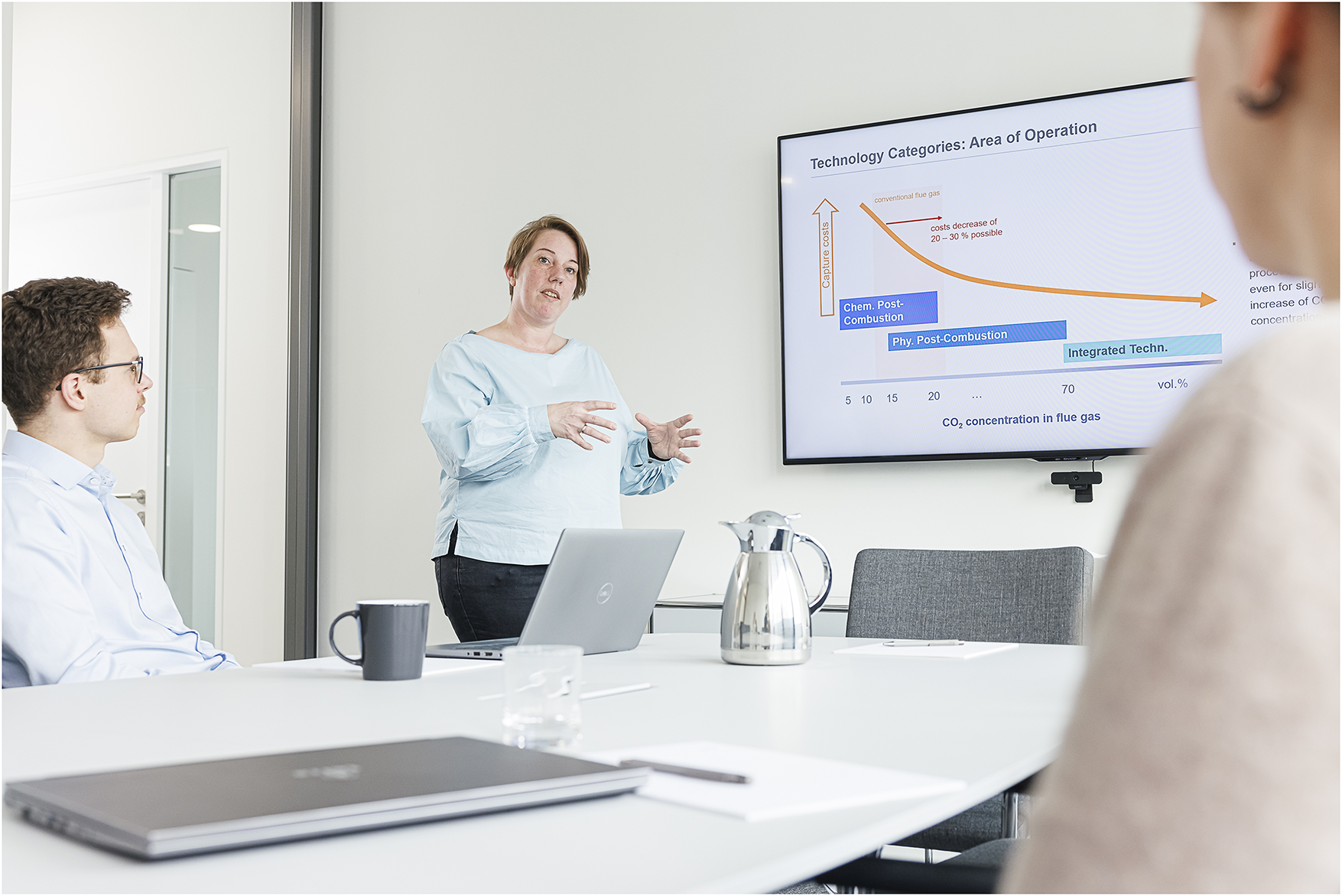
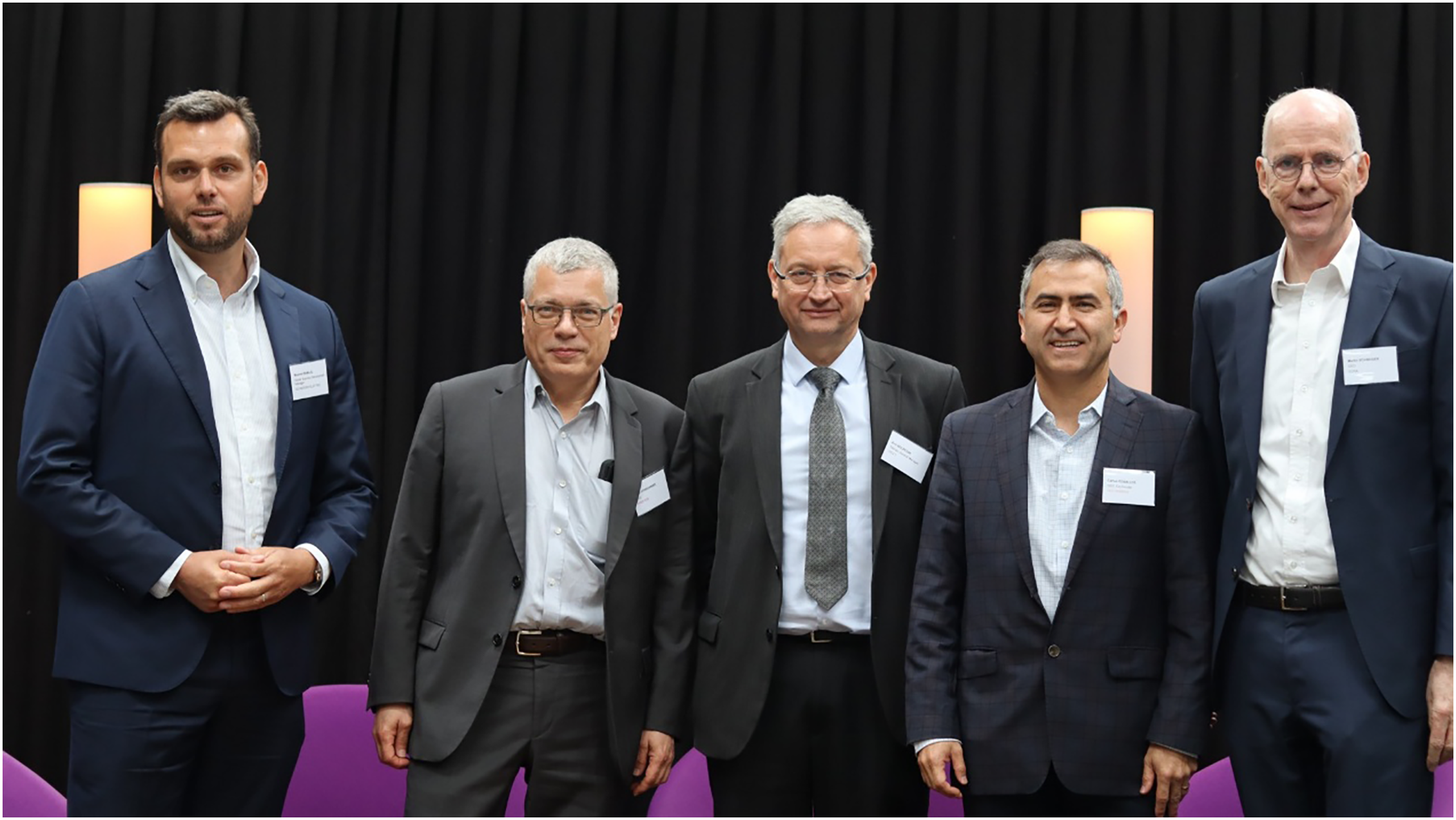
Figure 1 Training on CO2 capture technologies
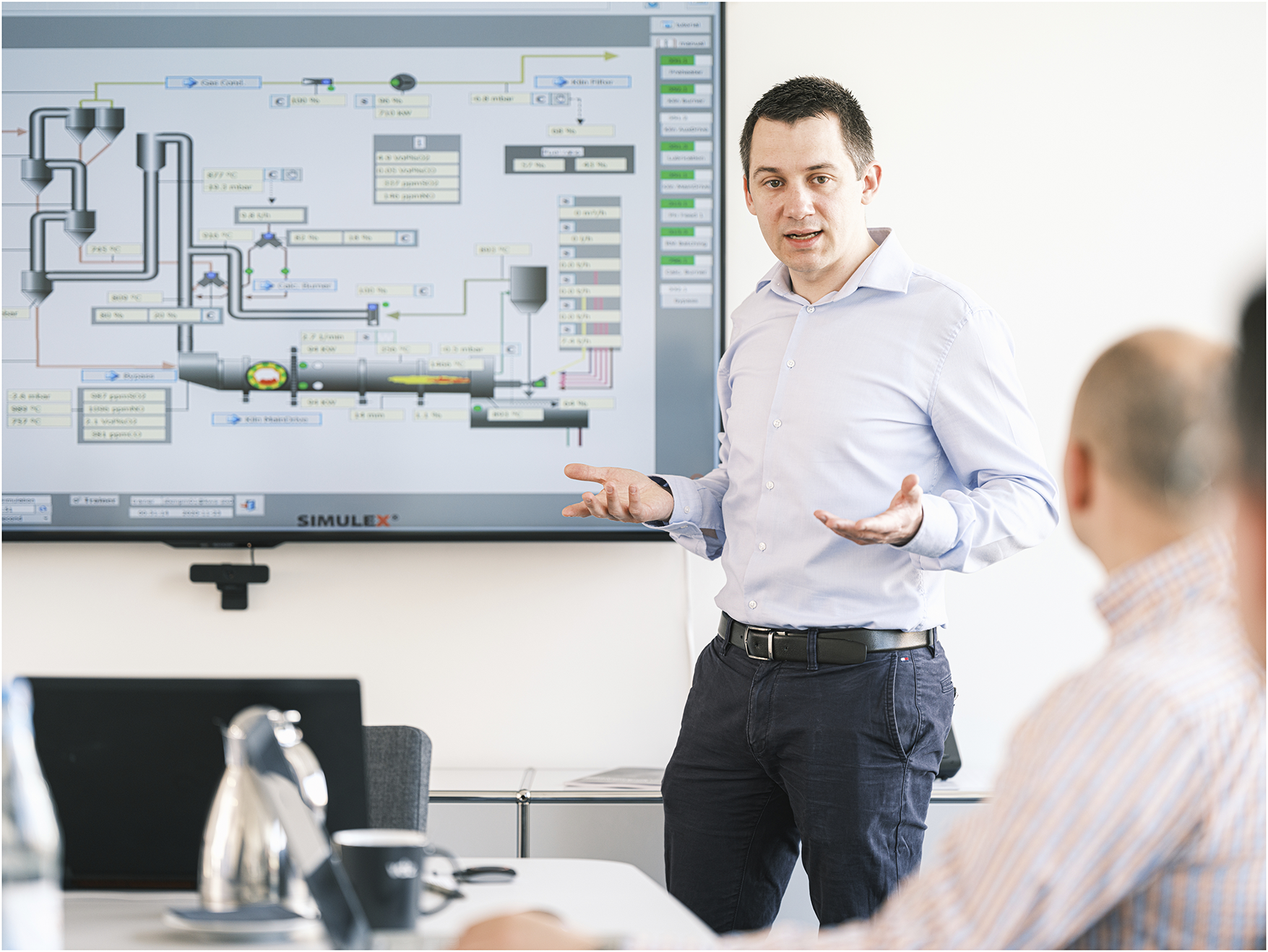
Figure 2 Crash Course Process Control with the SIMULEX® cement plant simulator
The training course “Energy Balances and Efficiency” (5–8 October 2026, VDZ) enables participants to conduct and evaluate cement kiln and mill trials and to systematically analyse performance, output, energy consumption and efficiency.
The seminar “Benchmarking Carbon Capture—A Practical Guide to Technology Evaluation” (13–14 October 2026, online) provides knowledge and tools needed to systematically evaluate CO2 capture technologies applied to industrial processes such as the clinker burning process.
Beyond scheduled seminars, VDZ offers customised training courses, seminars, and workshops tailored to individual company requirements. The range of topics includes established topics such as burning and grinding technologies as well as emerging fields including clinker-efficient cements, CCUS technologies, digitalisation strategies, and advanced process optimisation. Content, duration, and depth can be adapted to individual needs to maximise practical relevance and impact.
In addition, the VDZ e-learning platform enables flexible and continuous professional development. With around 200 courses available in five languages, it supports self-paced learning independent of time and location. The content covers the entire cement production process—from raw material preparation to dispatch. New overview courses for lateral entrants and newcomers, as well as a dedicated course series on “Ways to Climate-Neutral Cement Production”, are currently being developed to address future skills needs in a targeted manner.
Comprehensive information on all training formats, including registration details, can be found at: www.vdz-online.de/en/training/.
As the cement industry continues to transform, targeted skills development is becoming a decisive factor for long-term competitiveness. With its continuously evolving training portfolio, VDZ supports companies in building the expertise needed for a climate-neutral and digitally advanced future.