Perspective on geopolymers and related chemico-activated aluminosilicate cementitious: their chemistry fundamentals and industrial practice
1 The definition of geopolymer
Geopolymers are now widely known and represent a class of cementitious materials with a three-dimensional network structure formed through the geopolymerization reaction of aluminosilicate raw materials (such as metakaolin, fly ash, silica fume, etc.) under the action of an alkaline activator [1]. In the late 1970s to early 1980s, French scientist J. Davidovits started the development of a reactive chemico-activated aluminosilicate material [2], in which calcined clay was used as the primary raw material, combined with an alkaline activator and appropriate amounts of slag and lime. By mixing these components with water into a mortar, he created a material characterized by rapid setting and high strength. When cured at 20°C, it achieved a compressive strength of 20 MPa within just 4 h and reached 70–100 MPa after 28 days. Davidovits named this binder “geopolymer”.
The geopolymerization reaction is a complex chemical process, mainly involving three stages: dissolution, depolymerization, and polycondensation of aluminosilicate materials in a certain environment [3, 4]. Figure 1 shows the general reaction process of geopolymers [5]. In an alkaline environment, the Si-O and Al-O bonds of the aluminosilicate raw materials dissolve and break, forming hydrated [SiO4]4− and [AlO4]5− [6]. It must be noted that [SiO4]4− and [AlO4]5− may have various hydrated statuses and polymerized forms according to pH conditions and their concentrations. Once the solution reaches saturation, these monomers form oligomeric aluminosilicate gels by polymerization between -Si-OH and -Si-OH or -Al-OH, sharing an oxygen atom, emitting one H2O [7]. As the reaction proceeds, the oligomeric gels undergo polycondensation to form an amorphous three-dimensional network structure [8], which produces strength. Today, geopolymers are in fact a broaden concept of both acid and alkali-activated materials. Driven by the need of sustainability and low carbon emission of cement and concrete industry, researchers often use this term to describe various alkali-activated materials at room and elevated temperatures, including both high calcium raw materials and low calcium materials. Therefore, the concept and meaning of geopolymer has been broadened largely today. It somehow means chemico-activated cementitious materials.
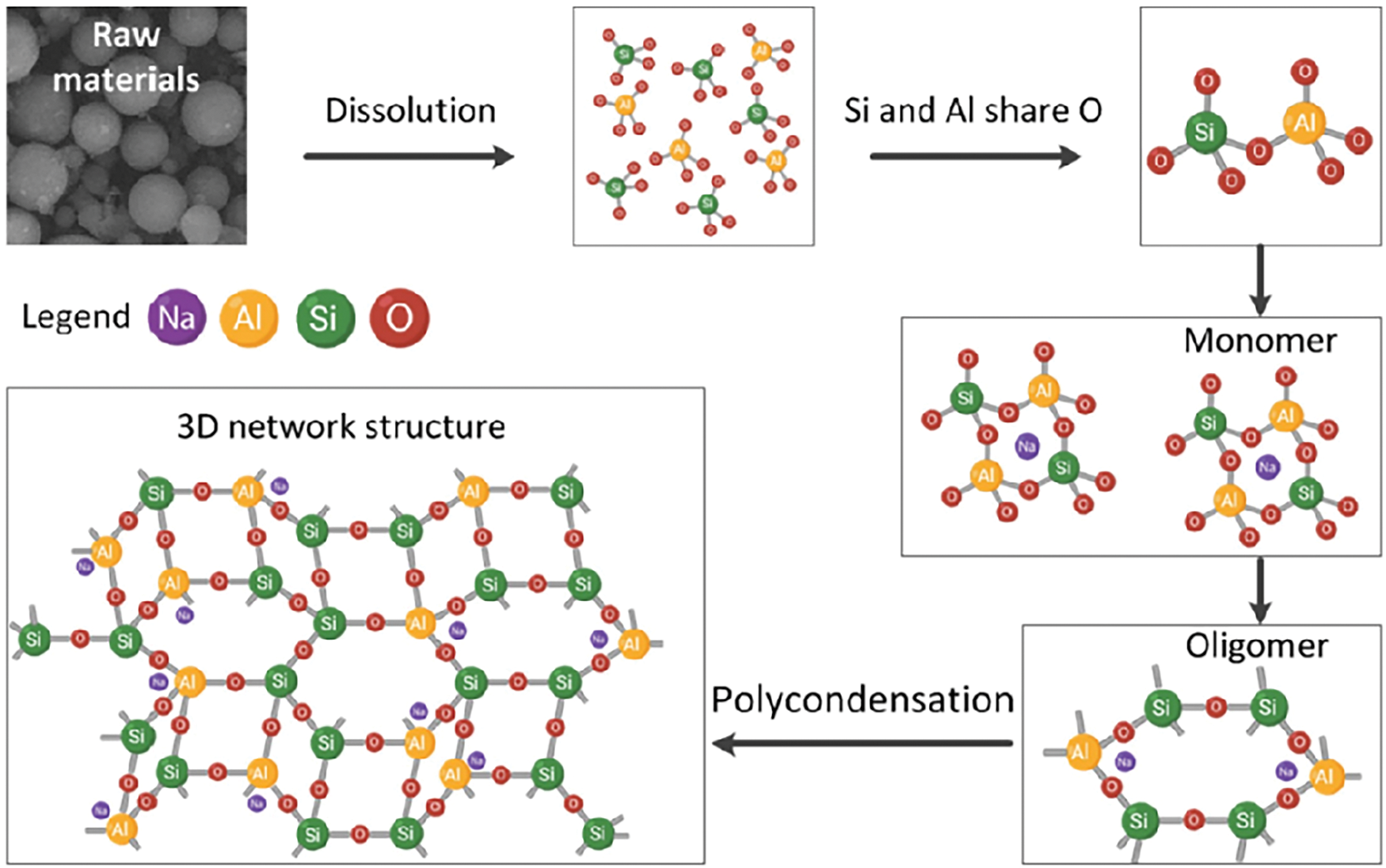
Figure 1 Schematic reaction process of geopolymer [5]. Raw materials include various reactive aluminosilicates. The dissolution occurs either in an acid or an alkaline condition
2 The definition and reaction mechanisms of chemico-activated cementitious materials
According to Yang [9], chemico-activated cementitious materials are those materials that initially lack cementitious properties (either single substances or mixed compounds) but can be transformed into cementitious materials through appropriate chemicals.
The raw materials are primarily various industrial solid wastes, tailings, and natural minerals containing aluminosilicate glassy or crystalline phases (such as calcined clays, feldspars, etc.). Various acidic, alkaline and salty chemical reagents or industrial by-products can serve as activators. Figure 2 illustrates a general model of the reaction process of chemico-activated cementitious materials. Through chemical activation, either acid or alkalis, the arrangement of atoms and ions within the material is altered, leading to the formation of a new structure via rearrangement and recombination. For instance, in aluminosilicate glasses, the covalent bonds (Si-O-Si, Al-O-Al, Si-O-Al) between the original [SiO4] tetrahedra and [AlO4]/[AlO6] tetrahedra/octahedra break by H+ attack in phosphorus acid (H3PO4) activation, or OH− attack in alkali hydroxide and silicate activation. These dissolved bonds subsequently recombine to form new aluminosilicate or silicate structures when supersaturation and gelling conditions are achieved, thereby developing cementitious matrix and binding properties.
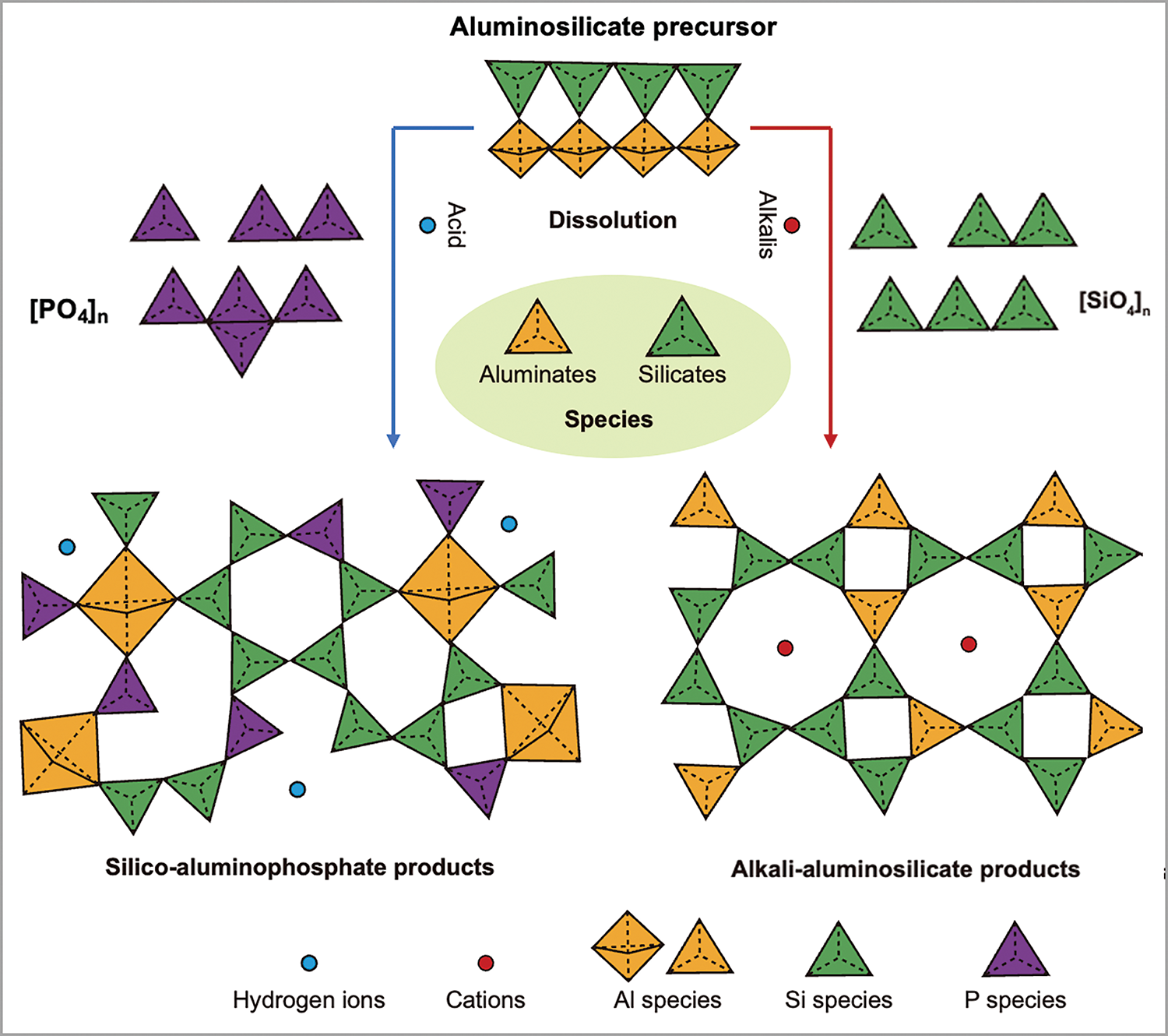
Figure 2 A general schematic model of the activation process of aluminosilicate sources under acidic and alkaline conditions. Al may presents in forms of tetrahedra, pentahedron, and octahedra, while Si and P present in the form of tetrahedra. Water molecular and hydrated cations are not shown
2.1 Alkali-activated materials (AAMs)
The reaction process and final properties of alkali-activated materials are fundamentally determined by the chemical composition of the precursor, with calcium content being the most critical classification criteria. Accordingly, they can be divided into low-calcium systems (represented by Class F fly ash and metakaolin) and high-calcium systems (represented by slag) [10].
Low-calcium fly ash has relatively low reactivity, and its reaction process aligns more closely with the dissolution-repolymerization model, strongly dependent on activation type. For the NaOH-activated process, in view of hydration kinetics, OH− ions first attack the surface of the fly ash glass microspheres, breaking the Si-O-Si and Si-O-Al bonds, and generating soluble [SiO4]4− and [AlO4]5− monomers and oligomers [11]. Na+ or K+ ions neutralize the negative charge of Si-O− to form Si-O-Na or Si-O-K in this depolymerization stage. In the induction period, the dissolved [AlO4]5− adsorbs onto the surface of fly ash particles, forming an aluminate protective film that significantly inhibits further dissolution of silicon, leading to a decrease in reaction rate and manifesting as a prolonged induction period. During the polymerization and nucleation growth stage, the concentration of monomers in the solution increases, and gelling occurs. [SiO4]4− and [AlO4]5− units connect through oxygen atoms to form the three-dimensional network structure of sodium aluminosilicate gel (N-A-S-H) when the cation is Na+ or potassium aluminosilicate gel (K-A-S-H) when the cation is K+. Cations present in the network to balance the charge of electronegativity due to tetrahedra Al in four coordination. In the deceleration period, gel deposits on the particle surface and form a product layer, causing the reaction to enter a diffusion-controlled deceleration stage. The final product is a highly disordered three-dimensional network of gel, whose molecular structure is controlled by the Si/Al ratio.
In contrast to NaOH activation, fly ash-based geopolymer activated by Na2O·nSiO2 (n means modulus of activator, which is controlled by the ratio of original sodium silicate and the blended NaOH) exhibits significantly accelerated reaction kinetics. This difference primarily stems from the effect of soluble silicate components on the reaction pathway. The reactive silicate in the activator solution can rapidly combine with aluminate ions dissolved from the fly ash, directly promoting the formation of aluminosilicate oligomers -Al(Si)-O-Si- in the liquid phase. These oligomers act as nucleation precursors; when they reach a critical size, they form stable nucleation sites, thereby accelerating the directional aggregation and deposition of ions in the solution and facilitating the formation of a denser gel [12]. The microstructure of alkali-activated fly ash is shown in Figure 3. It shows that the fly ash particles partially dissolved and reacted, and the resulting gels covered the residue. It must be noted that not only the fly ash system but also the metakaolin system has limited reaction extent [13]. Therefore, the properties of the low-calcium alkali-activated materials largely depend on both the products and the residual precursors.
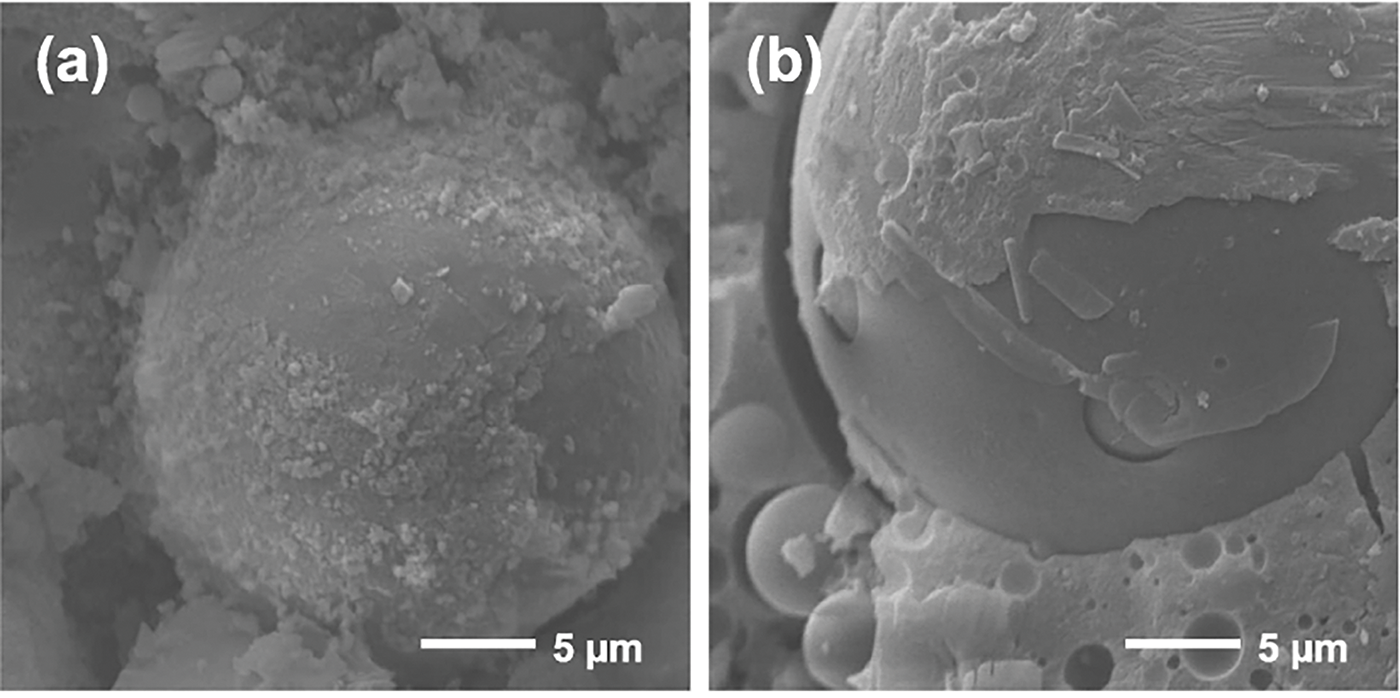
Figure 3 SEM images of the cross sections of fractured Na2O·1.2SiO2 activated two sourced fly ashes in Australia: (a) fly ash collected from Gladstone power station, (b) fly ash collected from Millmerran power station [14]
The reaction mechanism of high-calcium geopolymers is more complex than that of low-calcium counterparts, mainly due to the synergistic reaction between the geopolymerization process and the hydration of calcium-containing phases. High-calcium geopolymers are typically synthesized using calcium-rich aluminosilicate precursors such as blast furnace slag (BFS), fly ash with high calcium content, or steel slag, combined with alkaline activators.
The reaction process can be divided into three consecutive stages. First, in the dissolution stage, the alkaline activator breaks down the Si-O-Si and Si-O-Al bonds in the precursor under alkaline conditions, releasing soluble [SiO4]4− and [AlO4]5− ions into the solution. Meanwhile, calcium in the precursor dissolves rapidly, generating Ca2+ ions, which significantly accelerate the dissolution rate compared to low-calcium systems. In the second stage, the rapid polymerization and gelling reaction occur. The dissolved Ca2+ Ca2+ ions react with the silicate oligomers to form calcium aluminosilicate hydrate gel (C-A-S-H), which has a much lower Cs/Si ratio at the beginning of the reaction, and may increase over time when the activation of slag continues. During this stage, if the activator solution is NaOH or KOH type, a second phase, hydrotalcite (Ht), forms due to the presence of OH− and dissolved Mg2+ and Al3+. If the activator is an alkali silicate solution, the presence of dissolved silicate in the solution will promote the formation of silica-rich C-A-S-H or M-S-H, rather than Ht phase. Ht phases are important for the durability and volumetric stability of AAM as they can absorb CO32− and Cl− ions. To improve the concentration of Ht phase in a hydration product, in addition to using high MgO containing slag, external addition of reactive MgO and calcined layered double hydroxides (CLDH) has been proven to be a practical approach [15].
In the hardening stage, the continuous polymerization of gel phases and the filling of pores by reaction products lead to the gradual hardening of the system, forming a dense and high-strength material. The residue slag particles in the hardened binder still undergo hydration but kinetically the process is controlled by OH− and water diffusion. There are inner products, which contain Ht phase near residual slag when the activator is alkali silicate solution. The introduction of Ca2+ not only accelerates the reaction rate but also optimizes the gel structure, endowing high-calcium AAMs with excellent mechanical properties and durability, making them attractive in the concrete industry.
2.1.3 Blended system of slag and fly ash
In most cases, the combination of slag and fly ash can effectively reconcile the shortcomings of the two systems—rapid setting of slag and low early strength of fly ash—resulting in a positive synergistic effect. Figure 4 is a schematic drawing of the reaction process of the slag-fly ash blended system, which can be divided into more complex multiple stages: in the initial stage of the reaction, slag dissolves rapidly, providing a large amount of Ca2+, [AlO4]5− and [SiO4]4−, and releasing significant heat. During the C-A-S-H formation stage, the dissolved ions react with [SiO4]4− from the activator to form C-A-S-H gel. At this stage, fly ash particles primarily act as nucleation sites, capturing ions in the solution and promoting product precipitation. As the reaction progresses, the pH of the system remains high, continuously promoting the dissolution of fly ash. The dissolved silicate and aluminate monomers begin to polymerize, forming N-A-S-H gel. In the later stage of gel interaction and equilibrium, the two gels (C-A-S-H and N-A-S-H) do not exist independently but undergo ion exchange (for example, Ca2+ in the solution partially replaces Na+ in N-A-S-H, forming (N, C)-A-S-H). The essence of this synergistic effect lies in the complementarity of reaction kinetics and product space. Slag provides the reactivity and calcium source required for early strength, while fly ash optimizes the later-stage microstructure through its continuous reaction and micro-aggregate effect, filling pores and enhancing final strength and durability.
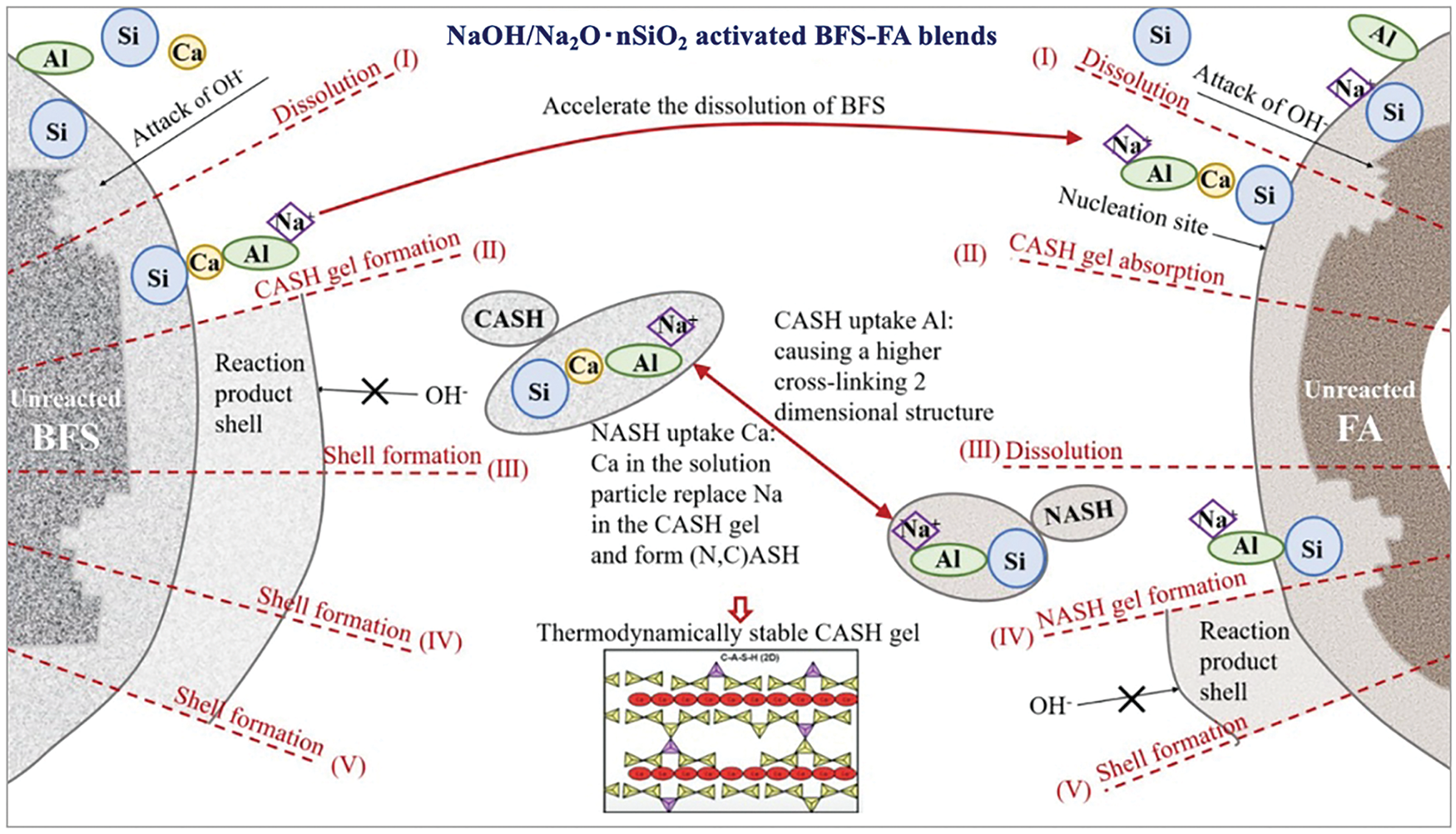
Figure 4 Schematic reaction process of alkali-activated blast furnace slag (BFS) and fly ash (FA) blends [11]
2.2 Phosphoric acid-activated materials
Phosphoric acid-activated systems, also recognized as one type of the geopolymer family according to Davidovits, have gradually attracted increasing attention in recent years [15]. These materials typically use reactive aluminosilicate minerals such as metakaolin and volcanic ash as precursors, undergoing polymerization reactions in the presence of phosphoric acid or phosphate solutions to form a silico-aluminate phosphate (SAP) network structure. Relevant studies have demonstrated that phosphate-based geopolymers not only possess excellent mechanical properties (with compressive strength exceeding 100 MPa) but also exhibit remarkable thermal stability and chemical durability [16]. In particular, they show superior structural stability compared to alkali-activated systems under high-temperature conditions and in aggressive environments. Therefore, this class of materials holds broad application prospects in fields such as high-temperature refractory products, radioactive waste immobilization, and corrosion-resistant building materials [17].
In the phosphoric acid-activated metakaolin system, the reaction process can generally be divided into three main stages: dealumination, polycondensation, and the formation of the network structure (Figure 5) [18]. Initially, significant dealumination occurs under strongly acidic conditions, where Al3+ rapidly dissolves while the SiO2 framework remains largely intact. Both higher curing temperatures and increased phosphoric acid concentrations can accelerate this stage. The dissolved aluminum ions subsequently react with PO43− to form Al-O-P units. At high P/Al ratios, transient P-O-P intermediates may appear, which eventually transform into stable Al-O-P as PO43− continues to be consumed. Meanwhile, the silicate tetrahedra undergo polycondensation to generate Si-O-Si linkages, and further combine with phosphate groups to form Si-O-P bonds. These processes collectively drive the development of a three-dimensional network consisting of Al-O-P, Si-O-P, Si-O-Si, and Si-O-Al structural motifs. Upon completion of the reaction, the original AlVI coordination almost completely disappears, with aluminum mainly existing as AlVI-O-P octahedra and AlIV-O-P tetrahedra (small fraction). Phosphorus is predominantly present in P(OAl)x(H2O)4-x configurations, either occupying network defect sites or bridging Si/Al framework units. Overall, the mechanism of phosphate activation in metakaolin can be regarded as a synergistic process involving dealumination, silicate polycondensation, and phosphate crosslinking, ultimately yielding a dense and stable three-dimensional silico-aluminate phosphate network.
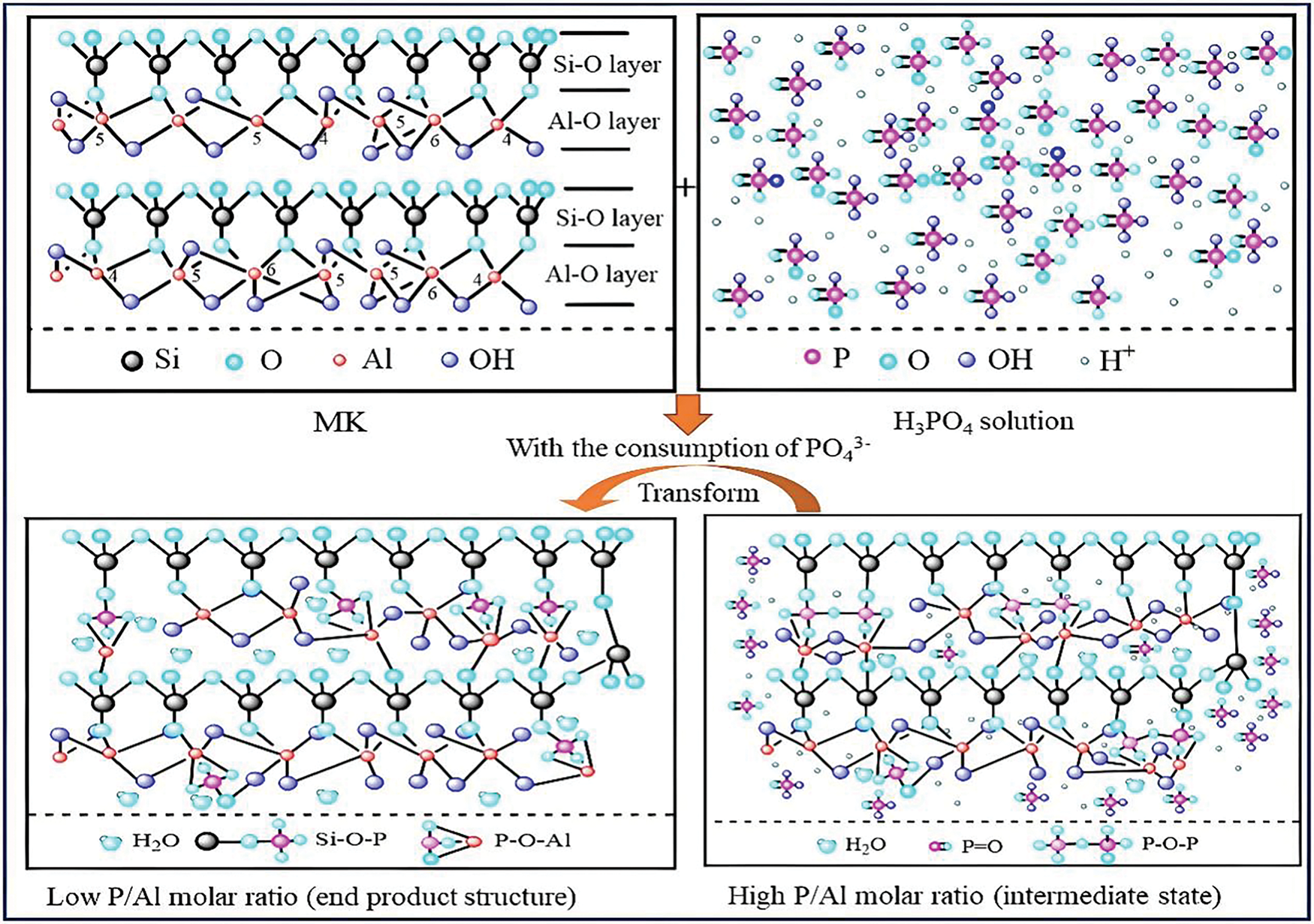
Figure 5 Reaction mechanism of phosphoric acid-activated materials [18]
2.3 Alkali-sulfate hybrid activation materials
The reaction of the alkali-sulfate hybrid activation system is complex. Its core lies in the synergy between the alkaline environment and sulfate ions, which is achieved through well-defined and interconnected reaction pathways. The raw materials are often slag, rather than fly ash or metakaolin. The primary function of the alkaline components is to create and maintain a consistently high pH environment. Under these strongly alkaline conditions, the covalent bonds (Si-O-Si and Si-O-Al) in the slag glassy network structure are rapidly broken down and depolymerized. This process releases soluble ionic monomers and oligomers, such as Ca2+, [SiO4]4−, and [AlO4]5−, into the solution [19]. This dissolution process acts as the initiator and driving force for the entire reaction. Subsequently, these ions rapidly react to form initial hydration products. The core pathway can be described as follows:
These amorphous C-S-H and C-A-H gels are early contributors to the strength of the system and provide essential silicon and aluminum precursors for subsequent, more complex reactions. The intensity of the alkaline and dissolved silicate environment directly determines the dissolution rate and extent of the slag, thereby governing the kinetic progression of the entire system. The role of the sulfate components (such as sodium sulfate, gypsum, etc.) is an activator. The dissolved SO42− ions react with the C-A-H gel formed in the aforementioned reactions and the continuously dissolving aluminum phases from the slag, primarily leading to the formation of calcium sulfoaluminate hydrate, known as ettringite (AFt). This process is mainly described by the following equation [20].
AFt is a needle-like or columnar crystalline phase, and its formation has multiple effects on the system. Firstly, AFt forms relatively quickly and can rapidly interweave into a microscopic network, providing significant early strength to the system. Secondly, its needle-like crystals can effectively fill the pores within the amorphous gel, optimizing the pore structure of the matrix, reducing the total porosity, and thereby significantly enhancing the density, mechanical properties, and durability. These two mechanisms do not operate in isolation but are coupled through the progressive relationship between reactants and products. The alkaline environment promotes the dissolution of the slag, which not only creates conditions for the formation of C-S-H/C-A-H gels but also provides a sufficient aluminum source (such as C-A-H gel and Al3+) for the formation of AFt. The introduction of sulfates, by consuming the aluminum and calcium phases, directionally converts the intermediate product (C-A-H) into the more stable AFt. This consumption regulates the dynamic balance of SiO44−, AlO45− and Ca2+ ions in the solution, avoiding issues such as overly rapid or uneven gel precipitation that might occur due to aluminum phase enrichment in a solely alkali-activated system. Consequently, the entire reaction process becomes more stable and controllable.
2.4 Hybrid alkaline activation materials
The concept of “Hybrid Cementitious Material” was proposed in 2007 [21], which has been extensively studied by A. Palomo and his colleagues. This material system is composed of a small amount of Portland cement clinker, a large quantity of industrial waste rich in aluminosilicate glass, and a certain proportion of alkaline activators. Its essence can be summarized as a cementitious material consisting of a hybrid of Portland cement with a high volume of industrial waste residue, supplemented by chemical activators. Therefore, a “Hybrid Cementitious Material” is essentially a composite system combining traditional Portland cement with alkali-activated cementitious materials.
As is well known, the hydration products of Portland cement after reaction with water consist of 50% to 70% C-S-H gel with a high molar ratio of CaO to SiO2, while the other hydration products are crystalline compounds, such as portlandite (Ca(OH)2), ettringite (3CaO·Al2O3·3CaSO4·32H2O), and small amounts of calcium aluminate hydrate (3CaO·Al2O3·6H2O) and calcium ferrite hydrate (CaO·Fe2O3·H2O). In contrast, the reaction products of chemically activated cementitious materials with water and activators vary depending on the raw materials used. As mentioned earlier, raw materials can be classified as high-calcium or low-calcium types. For example, slag, phosphorous slag, steel slag, oil shale slag, and even red mud belong to the high-calcium category, whereas fly ash, coal gangue, and sintered kaolin are typical low-calcium materials. Although activators are generally alkali metal compounds, their dissolution in water does not always produce OH−. For instance, Na2SO4 releases Na+ ions but does not increase the pH of the solution. This complexity leads to a more diverse range of reaction products in chemically activated cementitious materials.
According to Palomo et al. [22], in the CaO-Al2O3-SiO2 system, two basic models can be established based on the raw materials and conditions: Model I refers to the activation of materials rich in CaO and SiO2 within the M2O-MeO-Al2O3-SiO2-H2O system (M refers to alkali cations, Me refers to alkali earth cations), while Model II involves materials containing little or no CaO within the Me2O-Al2O3-SiO2-H2O system. Building on this, researchers defined “hybrid cementitious material” as Model III and further divided it into two subcategories: Model III A consists of Portland cement clinker (less than 30%) combined with industrial waste containing aluminosilicate glass, whereas Model III B contains no cement clinker and is composed of two or more types of industrial waste with aluminosilicate glass, at least one of which is high in calcium content (e.g., slag or phosphorous slag). The fundamental distinction between these two subcategories lies in their final reaction products. In Model III B, products may include N-A-S-H-type zeolites or their precursors with a three-dimensional network structure, whereas in Model III A, the presence of cement clinker inhibits the formation of such structures. This difference in reaction products is a key characteristic that distinguishes “hybrid cementitious material” from traditional cement and typical alkali-activated materials. From this definition, the Model III B is like (if not the same) the alkali-activated materials, especially the slag containing blended systems. The difference between alkali-sulfate hybrid activation and hybrid alkali activation is that in the former, sulfate is used as an activator, which usually leads to formation of AFt, while in the later, sulfate is not necessary.
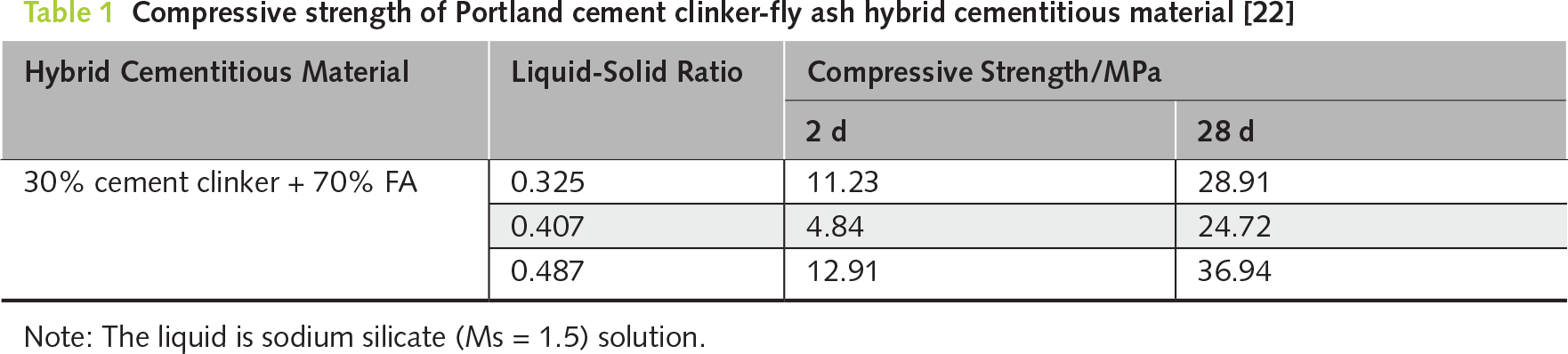
Table 1 shows the compressive strength of a Portland cement clinker-fly ash hybrid cementitious material. When water glass with a modulus of 1.5 is used as the activator (liquid), even at a liquid-to-solid ratio of 0.487, the compressive strength can still meet the requirements for strength grade 32.5 of composite cement. For alkali-activated cementitious systems, particularly those based on low-calcium raw materials such as fly ash, the incorporation of a certain amount of Portland cement clinker offers significant benefits. On one hand, the hydration of Portland cement clinker releases Ca(OH)2, effectively increasing the alkalinity (pH value) of the liquid phase, and also accelerates setting due to the formation of C-S-H or C-A-S-H. On the other hand, the reaction between cement clinker and water releases substantial heat of hydration, which further promotes the reactivity between fly ash and the alkaline solution, thereby enhancing the compressive strength of the system. In Table 1, comparing the two mixtures with a liquid-solid ratio of 0.325 and 0.487, the importance of the content of activator for early age strength development is evident.
Chemico-activated aluminosilicate cementitious materials have transitioned from fundamental research to diversified and large-scale engineering applications in the past decades. One of the early successful cases was that the alkali-activated slag-fly ash concrete prepared for the corrosion-resistant concrete pipes, piles, poles and underground network connectors under the Chinese national program “Ninth Five-Year Plan” (1996 to 2000), supported by the Ministry of Science and Technology Project “Development and research of green corrosion-resistant concrete drainage pipes”. As shown in Figure 6, those concrete pipes and connectors have been serving in the Huai River wastewater treatment project for more than 20 years and have shown good performance.
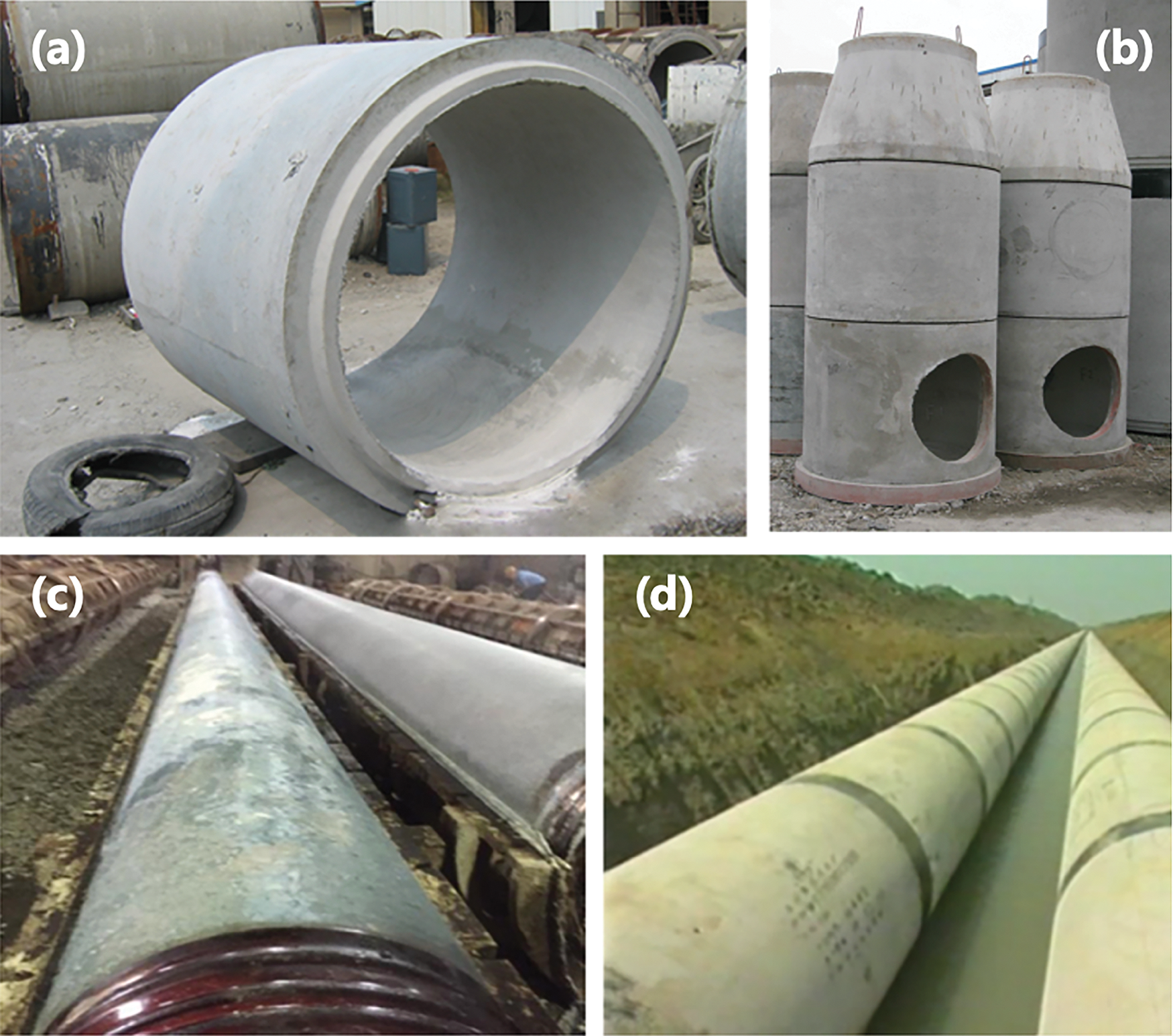
Figure 6 Alkali-activated slag-fly ash corrosion-resistant concretes: (a) pipe, (b) network connector, (c) pole, (d) Huai River wastewater treatment project (>100 km). The concrete strength was designed to be C30 to C80 according to different application demands. Photos courtesy of Professor Hongfei Liu
In terms of production, the world’s largest and China’s first commercial production line for one-part alkali-sulfate hybrid activated cement with an annual capacity of 1 Mt was established in Jiaozuo City in Henan Province since 2023. The primary product is a high-performance one-part geopolymer, laying a practical foundation for the large-scale supply of low-carbon cementitious alternatives (Figure 7a). In the field of prefabricated components and products, industrial-scale production has been successfully implemented. For example, a project in Binzhou, Shandong province, fully replaced Portland cement with the chemico-activated cementitious material to produce aerated concrete, achieving an annual output of 400,000 m3. This process consumes approximately 120,000 t of solid waste materials annually (Figure 7b). In mine backfilling application, these materials have become a key technology for green mining due to their rapid hardening, early strength development, and ability to immobilize heavy metal ions, perfectly aligning with the circular economy principle of “using waste to treat waste” (Figure 7c). Furthermore, chemico-activated cementitious materials have significant performance and cost advantages in road engineering. In the Huinong to Shizuishan section of the Wuhai-Maqin Highway project in Ningxia province, a 46-km road base layer utilized geopolymer as a full replacement for Portland cement. The road not only exhibited excellent performance but also demonstrated superior resistance to drying shrinkage cracking compared to traditional construction materials, while reducing overall costs by 10–15% (Figure 7d).
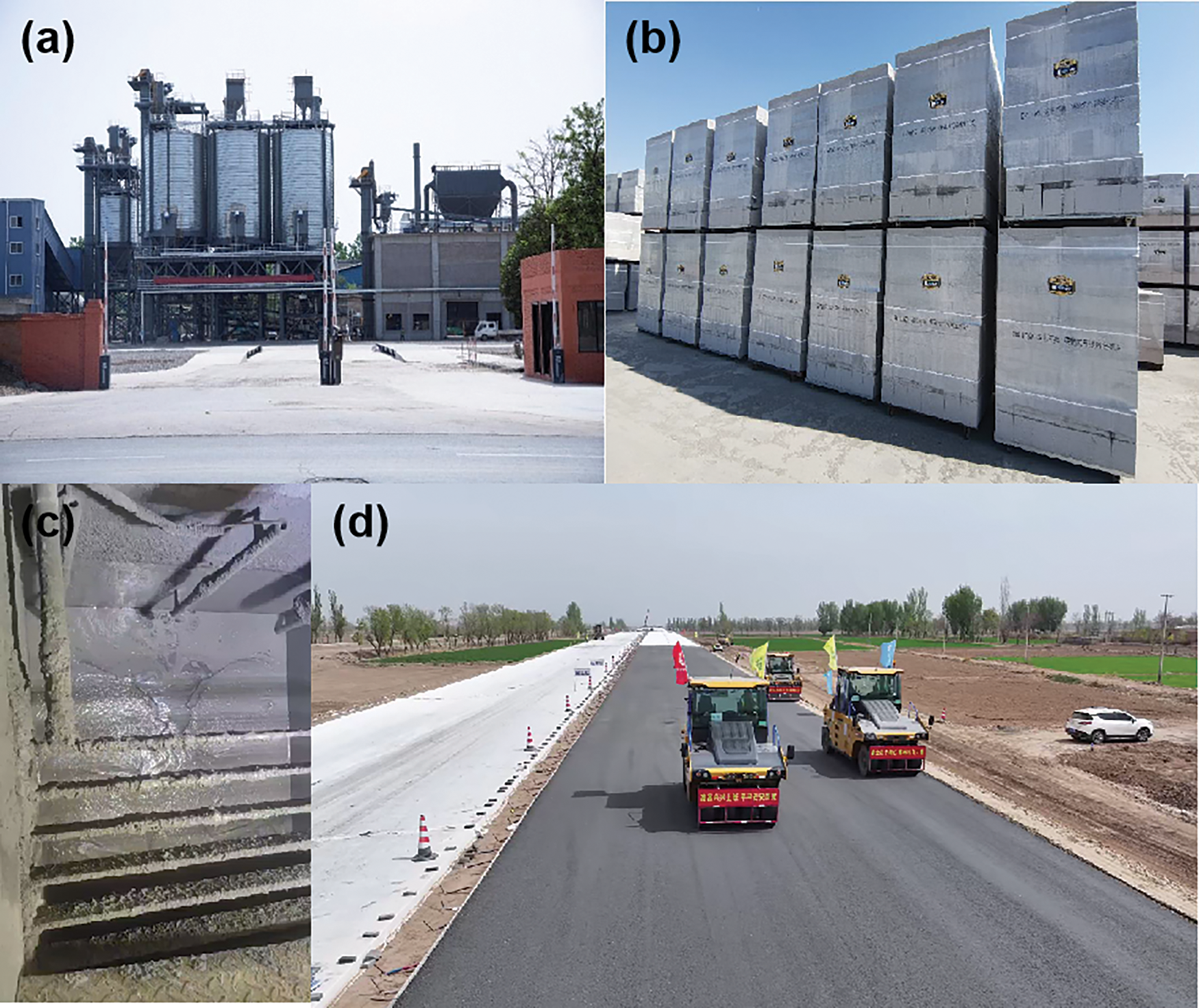
Figure 7 Chemico-activated cementitious materials production and application in China: (a) Geopoly company’s plant (1 Mt/year) focuses on one-part geopolymer in Henan Province; (b) aerated concrete production in Shandong Province; (c) mining backfilling in Shanxi Province; (d) road base construction in Ningxia Province. Photos courtesy of Geopoly company
(1) Chemico-activated cementitious materials, including geopolymers and other hybrid systems, exhibit a wide range of reaction pathways-such as alkaline activation, acid activation, and alkali-sulfate hybrid activation-depending on raw material composition and activator type. This diversity allows for tailored material designs to meet specific mechanical, durability, and environmental requirements.
(2) The performances of chemico-activated cementitious materials stem from the synergistic effects of multiphase products. Amorphous gels (C-A-S-H, N-A-S-H) and crystalline phases (such as AFt, Ht) interlock and intertwine at the microscopic scale, collectively contributing to early strength development and long-term microstructural refinement. Particularly in blended systems (e.g., slag-fly ash), complementary gel spatial structures and a dynamic balance of ion migration are achieved, thereby comprehensively improving the mechanical properties and durability of the materials.
(3) The essence of Chemico-activated cementitious materials lies in converting large amounts of industrial solid waste into building materials. From million-ton-scale production lines to large-scale engineering applications such as road construction and mine backfilling, their tremendous potential in reducing environmental impact and promoting green mining and infrastructure development has been fully demonstrated.
Acknowledgement
The authors acknowledge the support of the Experimental Center of Materials Science and Engineering in Tongji University.
Funding Statement
This paper was funded by The National Natural Science Foundation of China [52378257] and Open Funds of Ningbo Institute of Materials Technology and Engineering, Chinese Academy of Sciences [2024K08]. The APC was funded by the National Key R&D Program of China [2024YFB3714803].
Author Contributions
The authors confirm contribution to the paper as follows: Paper draft, data collection: Yingcan Zhu; manuscript preparation, revision: Zuhua Zhang. All authors reviewed and approved the final version of the manuscript.
Availability of Data and Materials
Data available on request from the authors.
Ethics Approval
Not applicable.
Conflicts of Interest
The authors declare no conflicts of interest.