JSW CEMENT

JSW Cement’s new integrated plant in Nagaur in North India
images

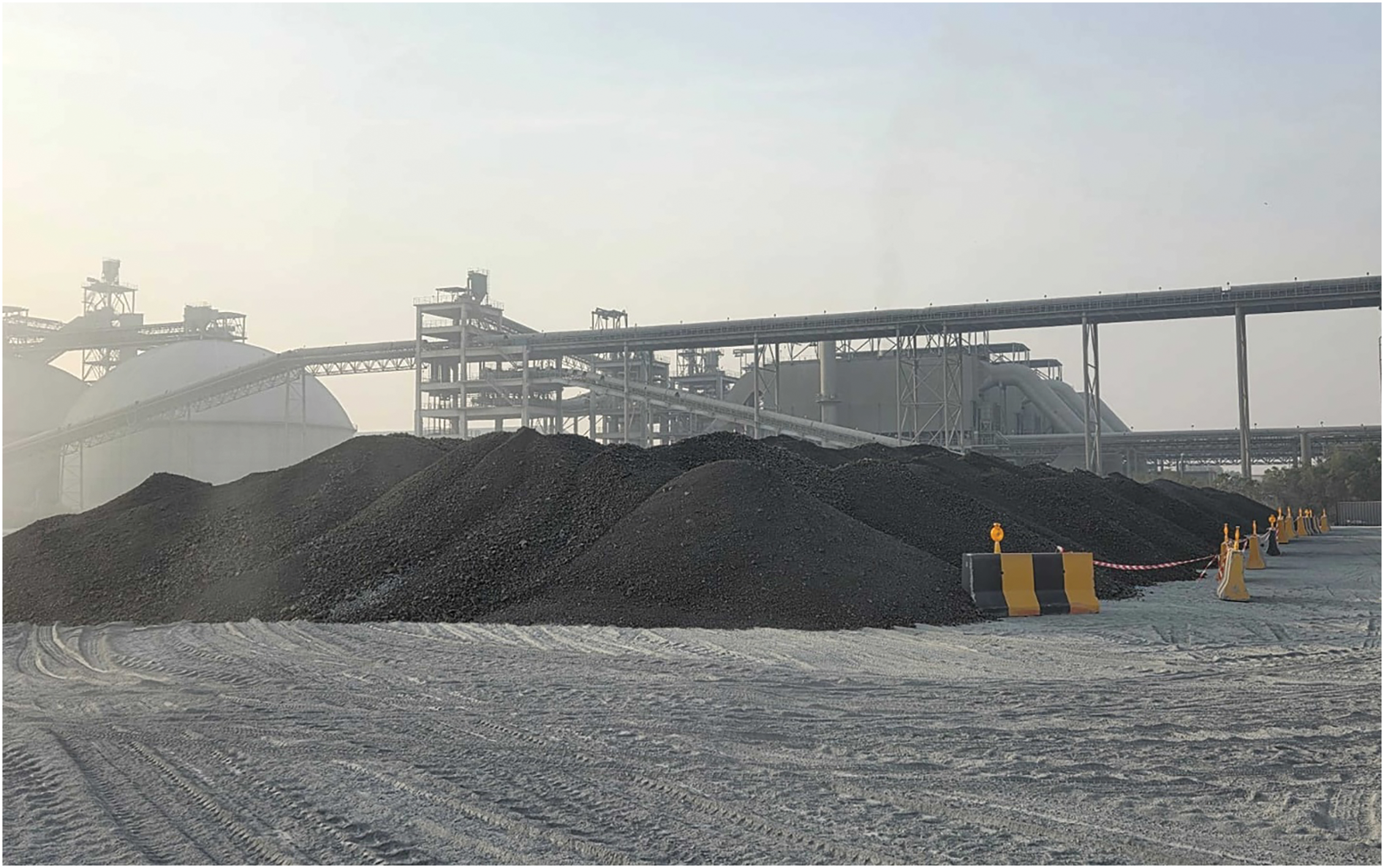
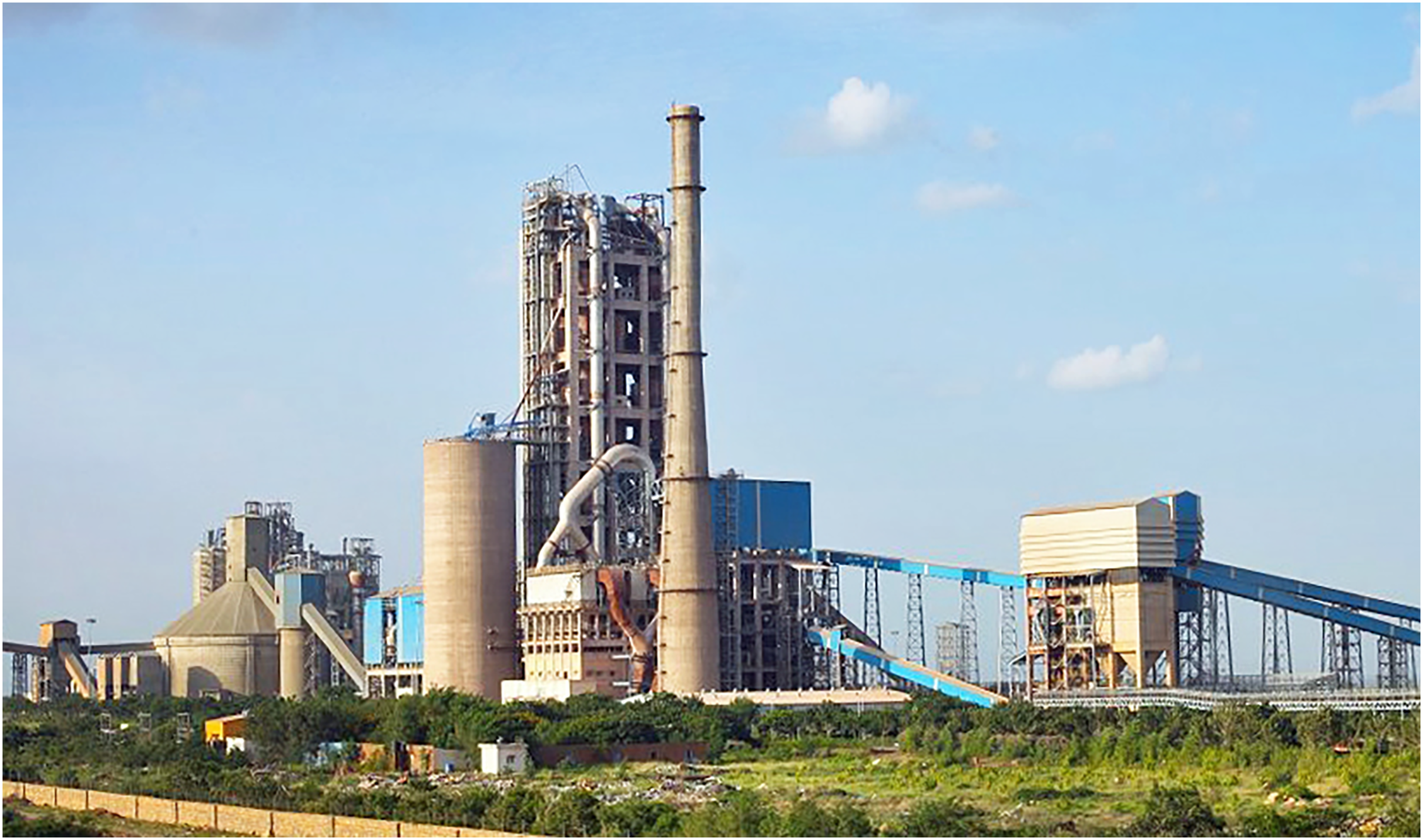
Photo: Nagaur integrated cement plant (Source: JSW Cement)

JSW Cement has commissioned its greenfield integrated plant in Nagaur in Rajasthan, its first such facility in North India. The new cement plant has a clinker production capacity of 3.3 Mta (million tons per year) and a cement capacity of 2.5 Mta, which will be expanded by 1.0 Mta with another grinding unit. The plant is designed as a model of sustainable manufacturing. The new cement plant is equipped with a 7 km-long overland belt conveyor to transport limestone from the mines, thereby reducing the environmental impact of road transport. Soon, the facility will be equipped with a co-processing system for alternative fuels and will also feature a 16 MW WHR system to capture waste heat from the production process, significantly reducing the carbon footprint of the plant.

The Nagaur unit has been funded through a strategic mix of equity and long-term debt. The company allocated ₹800 crore from the fresh issue proceeds of its Initial Public Offering (IPO) specifically towards part-financing of this unit. With the new cement plant, the company’s total cement grinding capacity stands at 24.1 Mt, and the total clinker manufacturing capacity (including the JV JSW Cement FZC) stands at 9.74 Mta. This shows that the company is on track of its 41.85 Mta goal before FY29.

Mr. Parth Jindal, Managing Director, JSW Cement, said: “The commencement of production at the Nagaur, Rajasthan facility is a pivotal moment for JSW Cement. Our aim, as outlined during our IPO process, was to put the company firmly on the path of becoming a pan-India player, and with this, commissioning the company enters the fast-growing Northern Indian market. We look forward to servicing the growing needs of the region and contributing to the economic growth of Rajasthan, Haryana, Punjab, and the NCR area. I am truly excited that the company was able to commission this greenfield integrated unit within 21 months, showcasing our project execution capabilities”.

Mr. Nilesh Narwekar, CEO of JSW Cement, added: “Foraying into the rapidly growing north Indian market is a strategic priority for us. These states are witnessing some of the highest growth rates and massive infrastructure development. With the Nagaur facility, we aim to provide our customers with high-quality, eco-friendly cement and a world-class service experience, all the while maintaining our position as one of the world’s most sustainable cement producers. With this expansion, the company is also moving closer to its mid-term capacity target of 41.85 MTPA in India. and its long-term vision of achieving 60 MTPA capacity.”

https://www.jswcement.in/pdf/pr-JSW-Cement-Commences-Production-at-Nagaur-Mar19-26.pdf

images Copyright © 2026 The Author. Published by Tech Science Press.
This work is licensed under a Creative Commons Attribution 4.0 International License, which permits unrestricted use, distribution, and reproduction in any medium, provided the original work is properly cited.

Related articles:

Issue 04/2026 ARTICLE

Research on hydrogen applied to calcinate cement clinker coupled with alternative fuel for carbon emission reduction

Fuel consumption in the calciner represents 60% of the total fuel used in cement clinker production. This study investigates the feasibility of utilizing hydrogen as a sustainable alternative to fossil fuels in the calciner. A numerical model was developed to simulate a hydrogen-powered calciner...

more
Issue 04/2026 CURA CLIMATE

Canada’s CURA and Titan innovate the clinker production

Photo: Teams members of both companies (CURA and Titan) CURA Climate Inc. (CURA) from Canada and the Titan Group announced in a MoU to test a new innovate limestone splitting technology. The project (photo) starts with laboratory testing, followed by technical and commercial assessments to explore...

more
Issue 04/2026 MAGSORT

Magsort substitutes limestone in the clinker production by using steel slags

Photo: First batch of clinker from Zero-Slag raw material (Credit: Magsort) At the 18th Global Slag Conference April 14–15 in Istanbul, Finnish Magsort presented their latest results on the substitution of limestone in the clinker production. Although limestone is cheap and abundant, the...

more
Issue 01/2026 NORM CEMENT

Azerbaijan’s Norm Cement increased clinker capacity

Photo: Cement plant in South (Credit Norm Cement)Azerbaijan’s “Norm” OJSC, which is a part of NEQSOL Holding, has successfully completed a major project to expand the clinker production capacity of the Norm Cement plant (photo) in South Caucasus. As a result, the plant’s annual clinker capacity has ...

more
Issue 07/2025 EGGERSMANN ANLAGENBAU GMBH

Eggersmann FUEL: landfill diversion meets fuel substitution

Maximum landfill diversion should not be seen as a challenge in waste management but rather as a chance for a more sustainable clinker production. Only the biogenic organic components in RDF do not contribute to global warming. With the Eggersmann FUEL process not only the recyclables in MSW are converted to RDF but also the organic fraction will be an important part of high-quality alternative fuel.

more
Issue 07/2025 REFRATECHNIK

Responsible refractory adaptation for sustainable cement clinker production: Green Challenge accepted

The energy-intensive mineral industry is closely monitored due to its carbon impact, mainly CO2 emissions. Actions are taken by the cement and lime industry to reduce their amount by various measures,...

more
Issue 02/2025 AUMUND | HOLCIM

eLCC – A new solution for calcined clay

A significant contribution to the decarbonisation of cement production is being made, with new types of cement which use calcined clay and a smaller proportion of clinker than in traditional cement manufacture. Clay calcination requires lower burning temperatures than clinker production, so the carbon footprint of the cement is reduced significantly.

more
Issue 02/2025 THYSSENKRUPP POLYSIUS | HEIDELBERG MATERIALS

thyssenkrupp cooperates with Heidelberg Materials for the GeZero carbon capture project

Heidelberg Materials and thyssenkrupp Polysius have signed a front-end engineering design contract for the plant design of the clinker production line of the GeZero CCS project. The GeZero project in Geseke will be one of the first European cement plants capable of producing Net-Zero cement and clinker on a CCS basis.

more
×