India’s cement production capacities under pressure
 Source/Quelle: CEMfocus.com
 Source/Quelle: CEMfocus.com
 Source/Quelle: CEMfocus.com
 Source/Quelle: CEMfocus.com
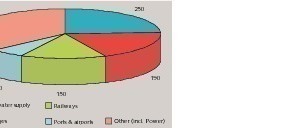 Source/Quelle: India Planning Commission
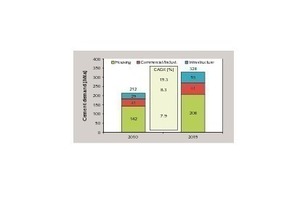 Source/Quelle: ACC Limited
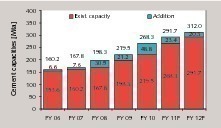 Source/Quelle: CEMfocus.com
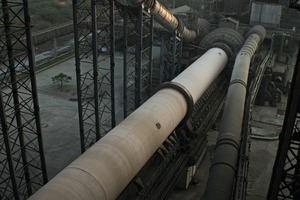 Source/Quelle: ACC Limited
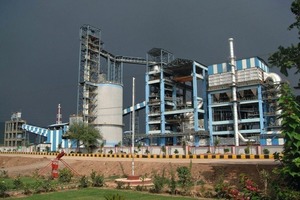 Source/Quelle: Holcim
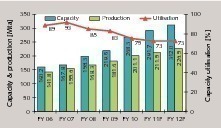 Source/Quelle: CEMfocus.com
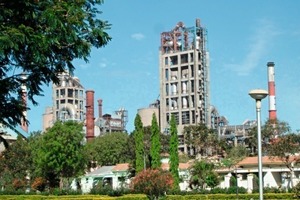 Source/Quelle: KHD
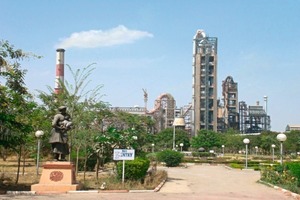 Source/Quelle: KHD
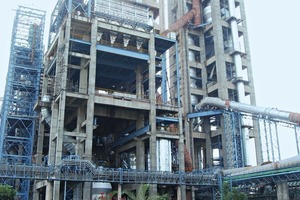 Source/Quelle: FLSmidth
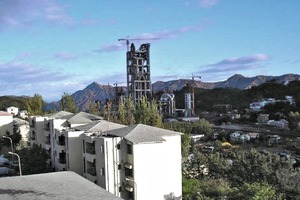 Source/Quelle: Polysius
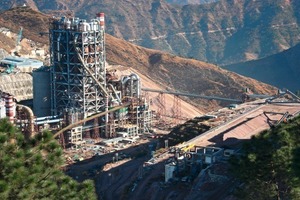 Source/Quelle: KHD
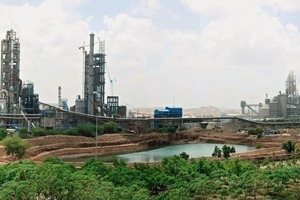 Source/Quelle: KHD
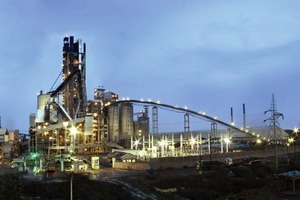 Source/Quelle: Dalmia Cement
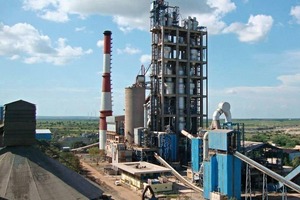 Source/Quelle: FLSmidth
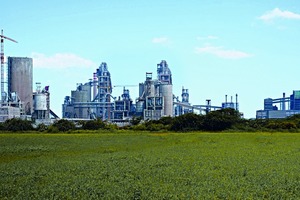 Source/Quelle: Jaypee Group
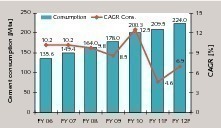
India’s cement production capacities grew by an annual average of 11.8 % over the last seven years. However, the cement production rate only rose by 8.1 % in the same period, so that capacity utilisation dropped from over 90 % to only 73 %.
1 Introduction
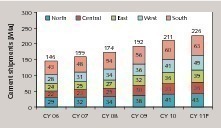
Current statistics concerning the Indian cement industry are published by the Indian Cement Manufacturers Association (CMA). Since the fiscal year 2010 (FY10 from April 2009 to March 2010) the published statistics do not include the figures from two of the biggest cement producers (ACC and Ambuja Cements) both of which are members of the Holcim Group. Making the situation more difficult, both ACC and Ambuja have changed their fiscal year to match the calendar year. Further factors that makes the situation of the Indian cement industry rather unclear are that some sources include...